

 English
 中文简体
中文简体
T400 vs Spandex: Understanding the Technical Differences in Stretch Fabric
2026-08-10
In the world of high-performance textiles, stretch is a highly valued property. However, not all stretch is created equal. When comparing T400 Stretch Fabric and spandex, we are essentially comparing two fundamentally different approaches to achieving elasticity in clothing. One relies on a dedicated elastic polymer, while the other achieves stretch through advanced fiber engineering. Understanding the distinction between T400 Stretch Fabric and spandex is essential for designers, manufacturers, and end-users who need to select the right material for specific applications, from workwear to athleisure.
Content
- 1 What Is T400 Stretch Fabric?
- 2 What Is Spandex?
- 3 How T400 and Spandex Work: Different Mechanisms
- 4 Key Functional Differences in Real-World Use
- 5 Application-Driven Selection: Where to Use Each
- 6 Frequently Asked Questions About T400 and Spandex
- 6.0.1 Q1: What is the main difference between T400 Stretch Fabric and spandex?
- 6.0.2 Q2: Which fabric lasts longer in terms of stretch recovery?
- 6.0.3 Q3: Can T400 completely replace spandex in activewear?
- 6.0.4 Q4: Is T400 more expensive than spandex blends?
- 6.0.5 Q5: How do I care for T400 Stretch Fabric vs. spandex garments?
What Is T400 Stretch Fabric?
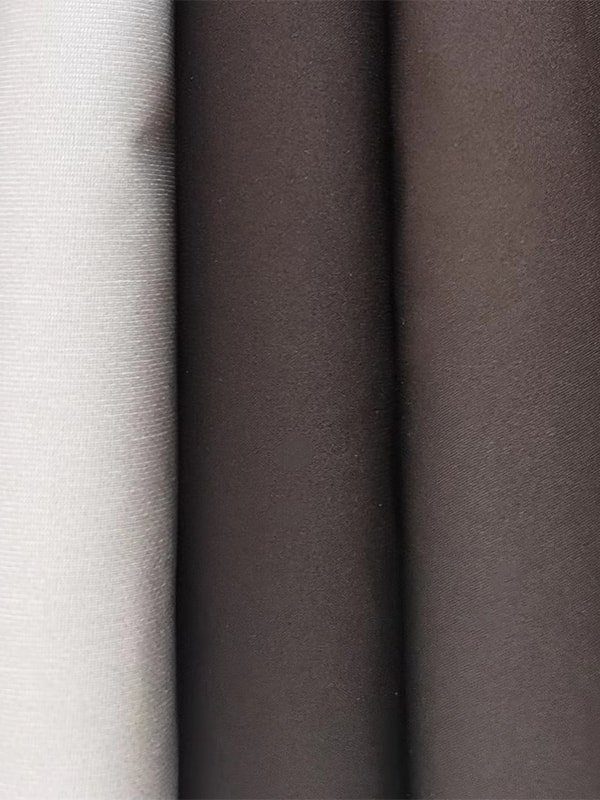
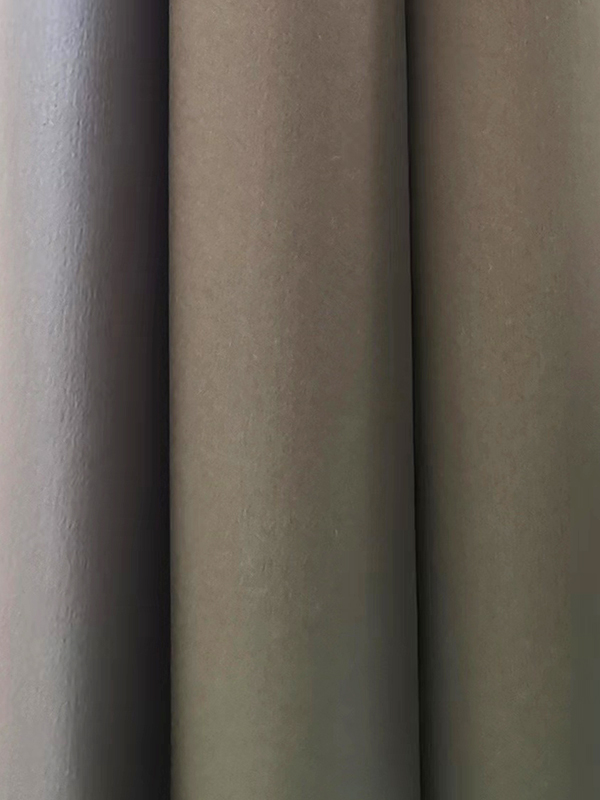
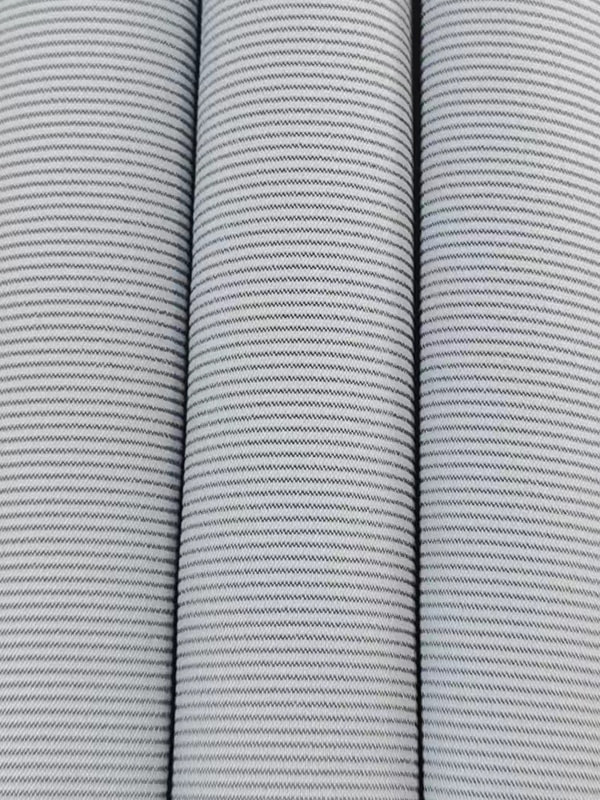
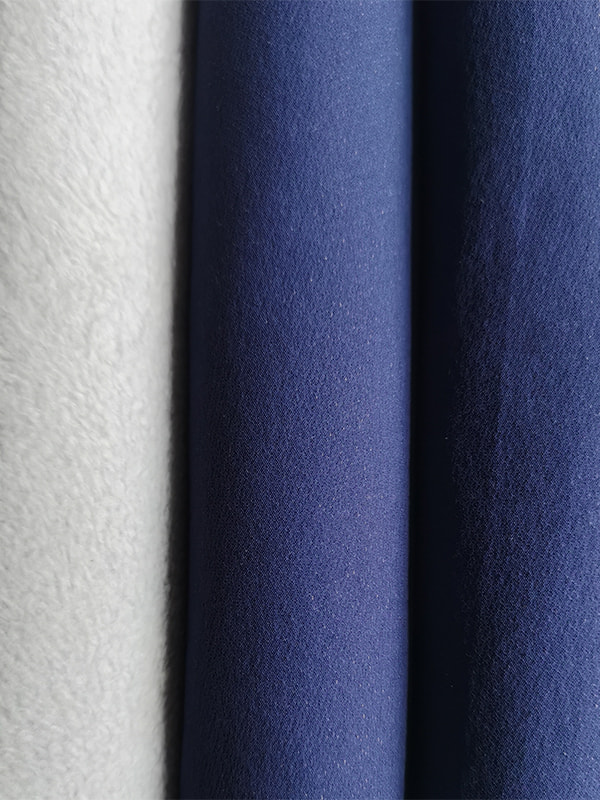
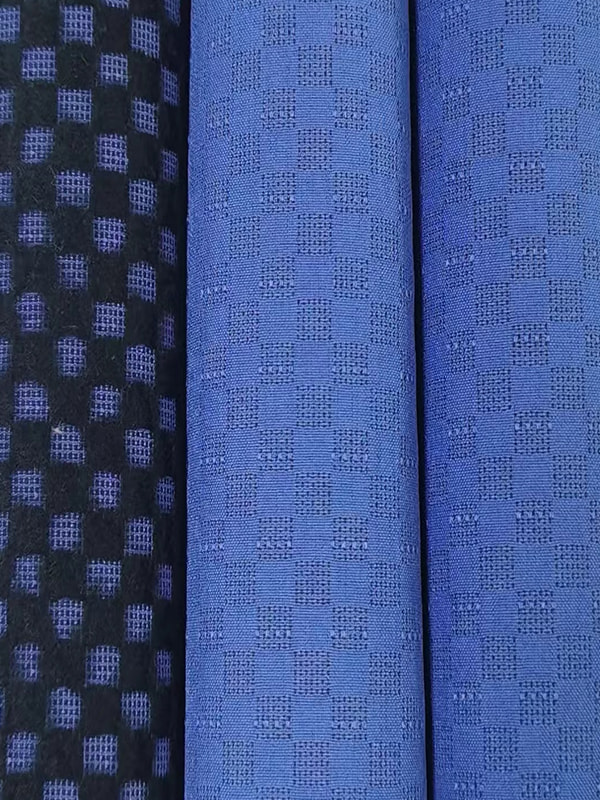
T400 Stretch Fabric is a textile constructed using a specialized bicomponent fiber known as an elastomultiester. This fiber is created by combining two distinct polyester polymers, typically PET (polyethylene terephthalate) and PTT (polytrimethylene terephthalate), in a single filament.
The technical differentiation begins at the molecular level. The two polymers possess different shrinkage rates. When exposed to heat during processing, this differential shrinkage causes the fiber to develop a permanent, helical crimp. This crimp is not a temporary mechanical treatment but a structural feature inherent to the fiber itself. It is this natural, coiled structure that grants the fabric its elastic properties, a process often referred to as mechanical stretch. The development of T400 as a distinct fiber subclass led to the creation of the generic category "elasterell-p" for fibers exhibiting inherent recoverable stretch.
What Is Spandex?
Spandex, known internationally as elastane, is a fundamentally different type of elastic material. It is a synthetic fiber made from a polyurethane-based polymer. Unlike T400, the elasticity of spandex is not derived from fiber structure but from its chemical composition. The polymer chains in spandex are highly segmented and can stretch to several times their original length, snapping back to their original shape when tension is released.
Spandex provides a powerful, high-tension stretch that is ideal for creating form-fitting, compressive garments. It is typically blended with other fibers like nylon, cotton, or polyester, often in percentages ranging from 3% to 20%. The presence of spandex is what gives yoga pants their tight, hugging feel and swimwear its figure-hugging support.
How T400 and Spandex Work: Different Mechanisms
The most critical difference between the two lies in their mechanism of action. This can be understood through two distinct concepts: structural (mechanical) stretch versus chemical (polyurethane) stretch.
Mechanical Stretch of T400
T400 Stretch Fabric achieves its elasticity through a structural mechanism. The helical crimp created by the bicomponent fibers acts like a tiny spring. When the fabric is stretched, the crimp is pulled straight. When the tension is released, the fiber's memory returns it to its coiled state. This process is permanent and does not rely on a separate elastic component. It delivers a gentler, more "comfortable" stretch often described as a relaxed freedom of movement.
Polyurethane Elasticity of Spandex
Spandex relies on its chemical structure to achieve stretch. The urethane linkages in its polymer chains allow them to uncoil and straighten under tension, providing strong resistance. When released, the inherent energy in the chains snaps them back. This offers a higher degree of stretch, often up to 500% or more, but with higher tension and a more compressive feel.
Key Functional Differences in Real-World Use
Beyond the chemistry and structure, the differences manifest clearly in how each fabric behaves in garments.
- Durability and resilience: T400 maintains its stretch and recovery over many wash cycles because the crimp is an inherent fiber property. Spandex gradually loses elasticity due to hydrolysis and oxidation, especially under heat or chlorine exposure.
- Comfort fit vs. compression: T400 offers a gentle, adaptive stretch that moves with the body without constricting, making it popular for chinos, travel trousers, and light outerwear. Spandex provides a tight, figure-shaping fit ideal for activewear, swimwear, and foundation garments.
- Moisture management: Because T400 is based on polyester, it inherently wicks moisture and dries quickly. Spandex blends often require special finishing to achieve similar breathability.
- Garment aesthetics: T400 fabrics tend to hold their shape and resist bagging at knees and elbows. Spandex-rich fabrics may show visible sagging after extended wear if the elastane breaks down.
Designers often choose T400 when they want durable, relaxed stretch that does not compromise the fabric's drape or breathability, while spandex is selected when maximum elongation and recovery force are required.
Application-Driven Selection: Where to Use Each
Choosing between T400 and spandex should be guided by the end-use requirements. Below is a practical guide.
T400 Stretch Fabric
- Travel trousers & chinos
- Stretch denim (with cotton)
- Outerwear & blazers
- Uniforms & workwear
- Lightweight suiting
Ideal for : all-day comfort, wrinkle resistance, and shape retention.
Spandex
- Sportswear & leggings
- Swimwear & bodysuits
- Compression garments
- Intimate apparel
- Medical support fabrics
Ideal for : high-elongation, recovery-force, and body-hugging fits.
Frequently Asked Questions About T400 and Spandex
Q1: What is the main difference between T400 Stretch Fabric and spandex?
T400 achieves stretch through a physical helical crimp (mechanical stretch), while spandex uses polyurethane polymer chains that elongate and snap back (chemical stretch). T400 provides a softer, more durable stretch; spandex gives a stronger, more compressive stretch.
Q2: Which fabric lasts longer in terms of stretch recovery?
T400 Stretch Fabric generally retains its recovery much longer because the crimp is an intrinsic fiber property, not reliant on chemical bonds that can degrade. Spandex can lose elasticity after repeated washing, heat exposure, or chlorine contact.
Q3: Can T400 completely replace spandex in activewear?
Not entirely. T400 does not provide the same extreme elongation (up to 70% vs. 500%) or compressive force. For high-performance sports where compression is critical, spandex remains superior. For comfortable, durable stretch in casual and travel wear, T400 is often preferred.
Q4: Is T400 more expensive than spandex blends?
Generally, T400-based fabrics have a higher initial cost due to the complex bicomponent spinning process. However, the extended durability and resistance to bagging often provide better long-term value, especially in premium apparel.
Q5: How do I care for T400 Stretch Fabric vs. spandex garments?
T400 fabrics are more heat-tolerant and can be tumble-dried at moderate temperatures. Spandex blends should be washed in cold water and air-dried to prevent elastane breakdown. Avoid chlorine bleach for both, but T400 is more resistant to chlorine than spandex.



Contact Us for More Details
Don't hesitate to contact when you need us!

Product Categories
Contact Information
-
NO.1 Huanhu Road(Building I)Pingwang, Wu Jiang, Suzhou, Jiangsu, China
-
+86-13962557213
-
+86-512-80739991-801
-
+86-512-80739990
