
 English
 中文简体
中文简体
Understanding Stretch in Textiles: A Technical Overview
2026-07-13
The textile industry offers two fundamentally distinct approaches to achieving fabric elasticity: mechanical stretch and spandex-based stretch. While both provide movement and comfort, their underlying mechanisms, performance characteristics, and ideal applications differ significantly. Mechanical stretch achieves elasticity through physical yarn manipulation and weave construction, whereas spandex stretch relies on synthetic elastomeric fibers [citation:5]. This article examines these differences through a technical and practical lens, helping you make informed material decisions.
Content
- 1 What Is Mechanical Stretch Fabric?
- 2 What Is Spandex Stretch?
- 3 Mechanical Stretch vs Spandex Stretch: Technical Comparison
- 4 Durability and Longevity Comparison
- 5 Breathability and Wearer Comfort
- 6 Manufacturing Considerations
- 7 Application Suitability
- 8 Visual Comparison
- 9 FAQ: Common Questions About Mechanical Stretch vs Spandex
- 9.0.1 Q1: What is the main difference between mechanical stretch and spandex stretch?
- 9.0.2 Q2: Which stretch type lasts longer?
- 9.0.3 Q3: Can mechanical stretch match the stretch level of spandex?
- 9.0.4 Q4: Is mechanical stretch better for sensitive skin?
- 9.0.5 Q5: Which fabric type is easier to care for?
- 9.0.6 Q6: Are mechanical stretch fabrics more expensive?
- 9.0.7 Q7: Can both stretch types be used in the same garment?
- 9.0.8 Q8: Which stretch type is more environmentally sustainable?
What Is Mechanical Stretch Fabric?
Mechanical Stretch Fabric achieves elasticity without elastane or spandex. The stretch is engineered during weaving and finishing processes, creating a "spring-like" configuration within the yarns themselves [citation:3]. This construction allows the fabric to stretch in specific directions—typically horizontally (weft-wise)—and recover its shape through mechanical memory rather than synthetic fiber rebound.
How Mechanical Stretch Is Engineered
Several manufacturing techniques create mechanical stretch:
- High-tension weaving: During weaving, warp yarns are spaced wider than normal, then allowed to shrink during slack mercerization or finishing, creating built-in elasticity [citation:3].
- High-twist yarns: Yarns with high twist levels are woven at higher tension, then relaxed during finishing to create natural give [citation:8].
- Ripstop with native stretch: Specialized ripstop weaves incorporate stretch through weave geometry rather than elastic fibers [citation:1].
- Slack mercerization: Controlled shrinkage during finishing locks in a gentle spring-like configuration [citation:3].
Typical Elongation Rates
Mechanical stretch fabrics typically achieve weft-wise elongation of 10 to 18 percent, depending on fabric weight and weave structure [citation:3]. Research on worsted wool mechanical stretch achieved elongation ratios from 5.9% to 16.1% along the weft direction without elastic threads [citation:10]. This range provides meaningful mobility while maintaining fabric integrity and shape.
What Is Spandex Stretch?
Spandex stretch—also known as elastane or Lycra—involves incorporating synthetic elastic fibers into the fabric blend. These fibers can stretch up to 500% of their original length and return to shape through their inherent molecular elasticity [citation:2]. Spandex is typically blended with other fibers like cotton, polyester, or nylon to create stretch fabrics used in athletic wear, denim, and form-fitting apparel [citation:7].
Key Characteristics of Spandex Stretch
- High stretch capacity: Spandex fibers can extend dramatically, accommodating diverse body shapes [citation:2]
- Excellent recovery: Returns to original shape even after repeated stretching and washing [citation:2]
- Form-fitting nature: Clings to the body, providing close, contoured fit [citation:2]
- Dimensional stability: Maintains shape through repeated use and laundering [citation:11]
Mechanical Stretch vs Spandex Stretch: Technical Comparison
| Property | Mechanical Stretch | Spandex Stretch |
|---|---|---|
| Stretch Mechanism | Physical yarn/weave engineering | Synthetic elastic fibers |
| Elongation Range | 10-18% (typical) | Up to 500% |
| Stretch Direction | Primarily 2-way (weft-wise) | 2-way or 4-way |
| Breathability | High (natural fibers common) | Variable (synthetic blend) |
| Heat Resistance | High washing/drying temps | Lower temperature limits |
| Color Fastness | Superior | Good, but may degrade |
| Abrasion Resistance | Higher (depending on fiber) | Moderate |
| Skin Sensitivity | Low allergen risk | Possible sensitivity |
Durability and Longevity Comparison
Mechanical stretch fabrics offer significant durability advantages over spandex blends, particularly in demanding applications like workwear, military garments, and travel clothing.
Mechanical Stretch Durability Advantages
- Temperature resistance: Mechanical stretch withstands higher washing and drying temperatures without degrading stretch performance [citation:9].
- Abrasion resistance: Better tear and tensile strength compared to equivalent spandex blends, depending on base fiber composition [citation:9].
- Color retention: Superior color fastness since no synthetic elastic fibers degrade and affect dye uptake [citation:9].
- Recovery stability: Restores shape after laundering without special care or heat-setting requirements [citation:3].
Spandex Stretch Longevity Considerations
Spandex-blended fabrics typically require more careful maintenance. High temperatures can damage elastane fibers, causing loss of stretch and recovery over time [citation:11]. Additionally, spandex can degrade with exposure to chlorine, oils, and UV light, reducing garment lifespan.
A 2021 study on men's suit pants found that mechanical stretch worsted wool maintained wear comfort and garment pressure relief without the embrittlement issues that spandex blends develop over time [citation:10]. This makes mechanical stretch particularly suitable for tailored garments requiring long-term performance.
Breathability and Wearer Comfort
Mechanical stretch fabrics typically excel in breathability due to their reliance on natural or high-performance fibers without elastic coatings.
Natural Fiber Mechanical Stretch
Cotton-based mechanical stretch provides excellent breathability and moisture absorption while maintaining flexible movement [citation:3]. The 100% cotton construction is naturally breathable, soft, and hypoallergenic—ideal for shirts, chinos, and denim [citation:3].
Synthetic Mechanical Stretch Options
Polyester mechanical stretch with wicking properties offers moisture management and quick-drying performance for active wear [citation:12]. These fabrics use high-twist yarn construction to achieve stretch while maintaining breathability, making them suitable for travel and urban wear.
Spandex Breathability Trade-offs
Spandex-blend fabrics often trap heat and moisture due to the synthetic elastic content. While performance fabrics incorporate moisture-wicking technologies, the elastane content inherently reduces air permeability compared to natural-fiber mechanical stretch alternatives.
Manufacturing Considerations
Understanding production differences helps in material selection and cost planning.
Mechanical Stretch Manufacturing
Mechanical stretch can be produced using standard weaving and finishing equipment without special elastane handling systems [citation:3]. This simplifies production and reduces manufacturing complexity. The stretch is set during finishing, making it compatible with common dyeing and finishing processes [citation:3].
Spandex Stretch Manufacturing
Spandex blends require careful handling during weaving or knitting to maintain elastic fiber integrity. Heat-setting processes are essential to stabilize the elastic fibers, adding production steps and quality control requirements [citation:2].
Cost Implications
While mechanical stretch may have higher base fabric costs due to specialized weaving and finishing, it eliminates the need for expensive elastane fibers and the associated handling complexities. For high-durability applications, the longer service life of mechanical stretch can provide better lifecycle value.
Application Suitability
Different stretch technologies serve different applications based on their performance profiles.
Mechanical Stretch Best Applications
- Workwear and military garments (durability, heat resistance)
- Men's suits and tailored clothing (long-term shape retention)
- Travel pants and shirting (wrinkle resistance, easy care)
- School uniforms (color fastness, washing durability)
- Event draping and homeware (wide-width applications)
Spandex Stretch Best Applications
- Athletic wear and sports garments (high mobility needed)
- Form-fitting apparel and leggings (close body conformity)
- Swimwear (maximum elongation required)
- Undergarments (comfort and stretch recovery)
- Denim with high stretch requirements (25%+ weft stretch)
Visual Comparison
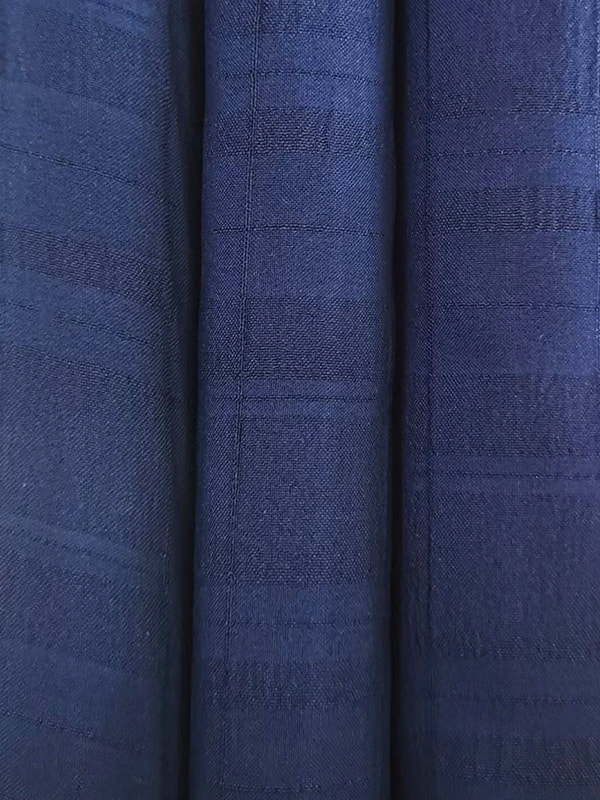
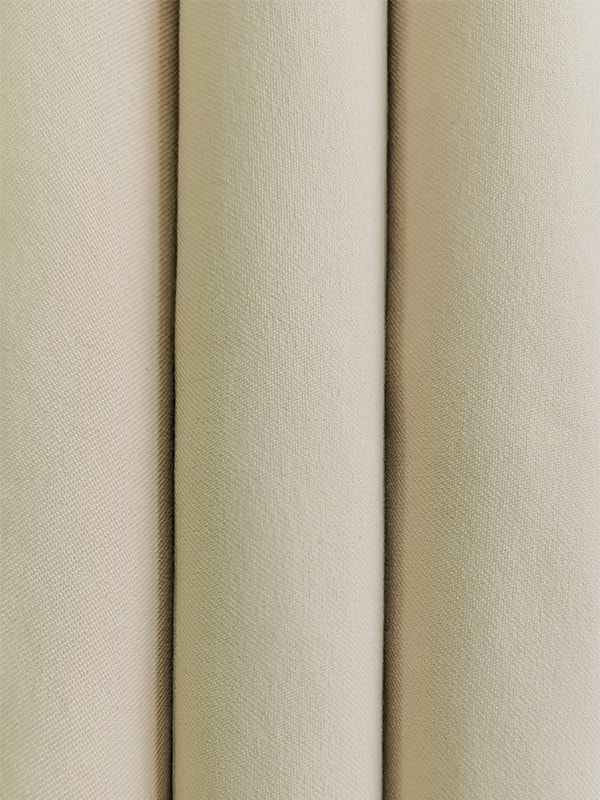
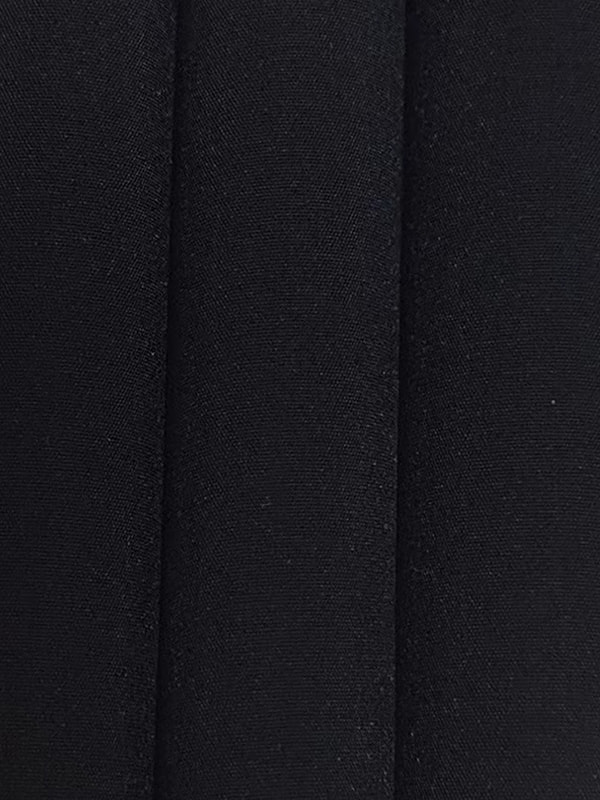
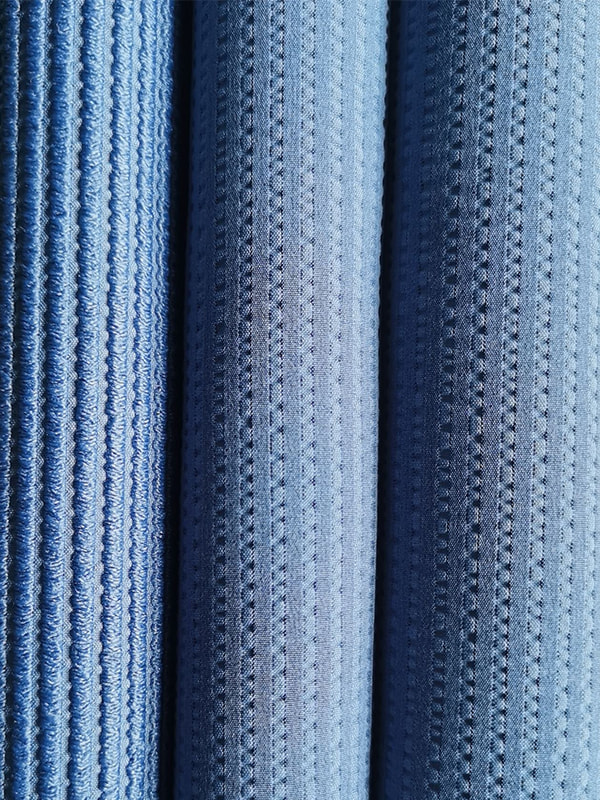
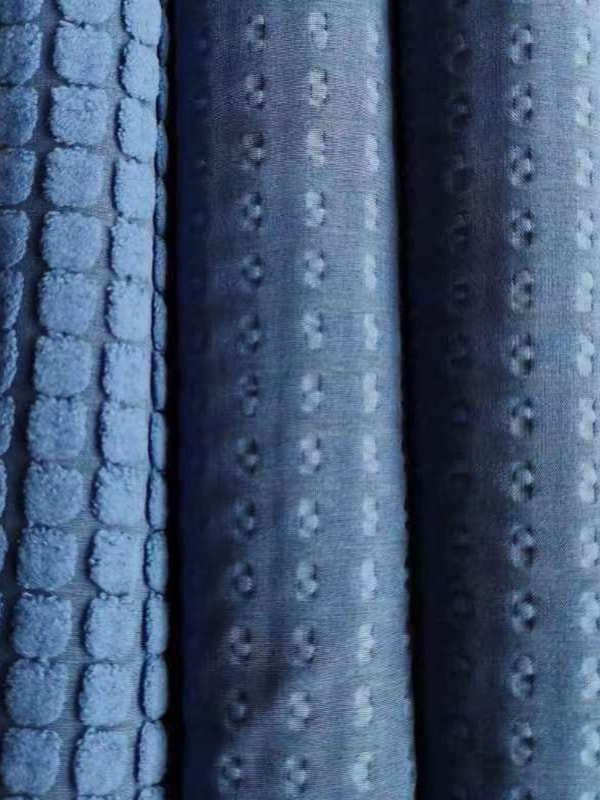
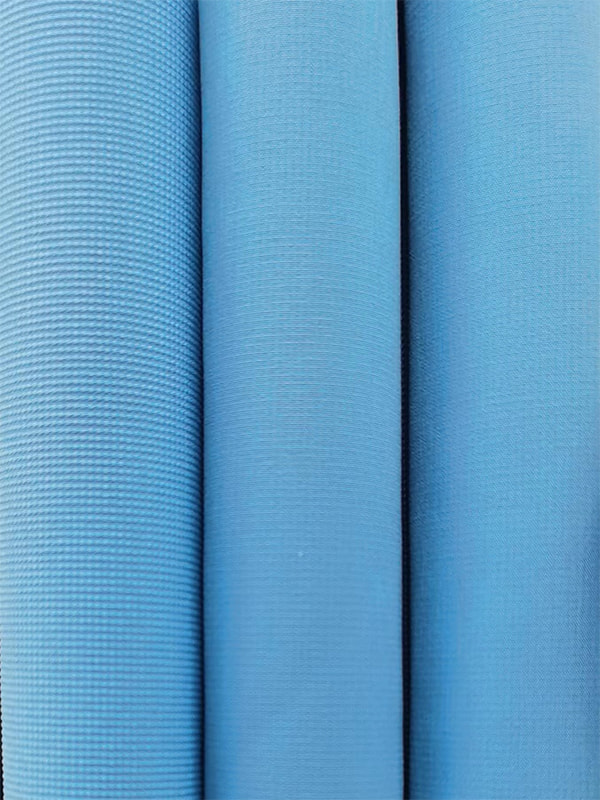
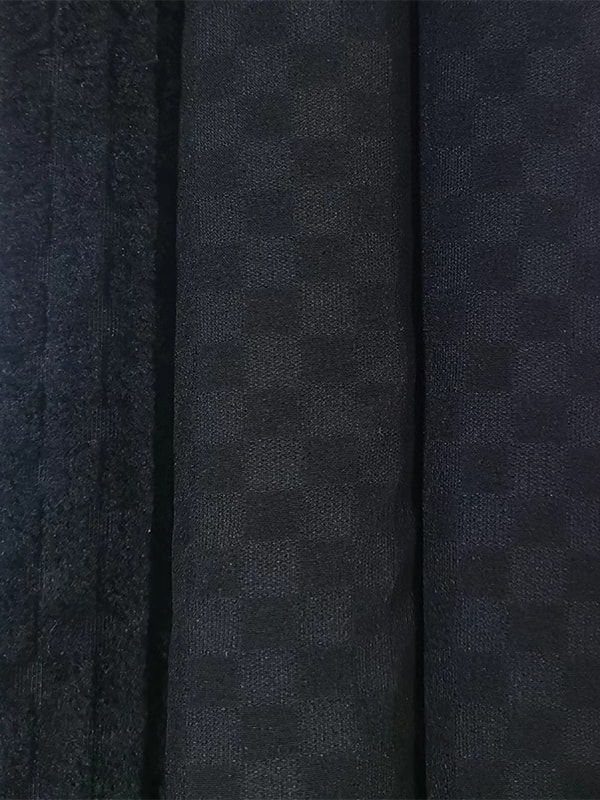
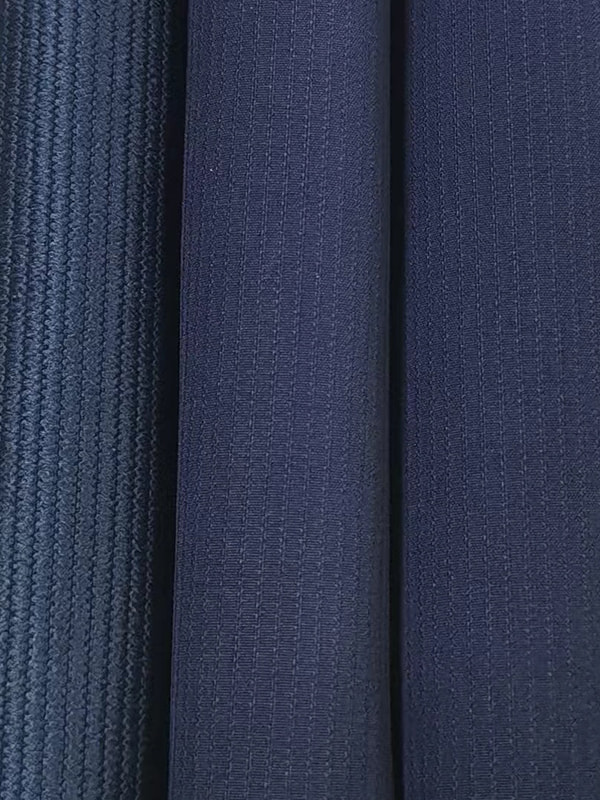
Mechanical stretch works through yarn geometry—packed loops straighten under tension, then recover when force is released [citation:6].
FAQ: Common Questions About Mechanical Stretch vs Spandex
Q1: What is the main difference between mechanical stretch and spandex stretch?
The primary difference is in the stretch mechanism. Mechanical stretch achieves elasticity through yarn manipulation and weave construction without synthetic elastic fibers. Spandex stretch uses elastane fibers blended into the fabric, providing higher elongation but with different durability and breathability characteristics [citation:2][citation:5].
Q2: Which stretch type lasts longer?
Mechanical stretch fabrics typically offer better longevity due to their resistance to heat degradation, superior abrasion resistance, and stable color fastness [citation:9]. Spandex can degrade with exposure to high temperatures, chlorine, and UV light, reducing elastic performance over time [citation:11].
Q3: Can mechanical stretch match the stretch level of spandex?
No, mechanical stretch typically provides 10-18% elongation compared to spandex's up to 500% stretch capacity [citation:2][citation:3]. Mechanical stretch is sufficient for comfort and mobility in tailored garments, workwear, and everyday clothing but cannot match the extreme stretch of spandex used in athletic wear and swimwear.
Q4: Is mechanical stretch better for sensitive skin?
Yes, mechanical stretch fabrics often use natural fibers like cotton or wool without synthetic elastomers, making them more suitable for sensitive skin [citation:3]. Spandex can cause skin irritation in some individuals, especially with prolonged wear in warm conditions.
Q5: Which fabric type is easier to care for?
Mechanical stretch fabrics are generally easier to care for. They withstand higher washing and drying temperatures and do not require special handling [citation:9]. Spandex-blend fabrics need cooler washes, lower drying temperatures, and careful ironing to prevent damage to elastic fibers [citation:11].
Q6: Are mechanical stretch fabrics more expensive?
Pricing varies by fiber quality and construction complexity. While mechanical stretch involves specialized weaving and finishing processes that can increase cost, it eliminates expensive elastane fibers and associated handling. For high-durability applications, the extended service life often provides better value.
Q7: Can both stretch types be used in the same garment?
Yes, some garments incorporate both stretch technologies—mechanical stretch in the main fabric for comfort and breathability, with spandex trim or paneling where extreme mobility is needed. However, most garments use one primary stretch mechanism based on their intended application and performance requirements.
Q8: Which stretch type is more environmentally sustainable?
Mechanical stretch fabrics—particularly those using 100% natural fibers like cotton—offer biodegradability and renewable sourcing benefits [citation:3]. Spandex is a synthetic, petroleum-based fiber that does not biodegrade and contributes to microplastic shedding during laundering. However, mechanical stretch's longer service life also reduces overall consumption.
Contact Us for More Details
Don't hesitate to contact when you need us!
Product Categories
Contact Information
-
NO.1 Huanhu Road(Building I)Pingwang, Wu Jiang, Suzhou, Jiangsu, China
-
+86-13962557213
-
+86-512-80739991-801
-
+86-512-80739990
