

 English
 中文简体

4-Way Stretch vs 2-Way Stretch: Better Ergonomic Freedom in Activewear?
2026-11-16
When designing activewear, the stretch direction of a fabric can determine whether a garment moves with the body or resists every change in position. 2-way stretch and 4-way stretch are two of the most common fabric performance labels, but they are not interchangeable. For apparel brands, fabric developers, and production teams, understanding the real difference between these two stretch types is essential for creating sportswear that truly supports human motion, especially when the goal is ergonomic freedom.
Content
What Are 2-Way and 4-Way Stretch Fabrics?
A 2-way stretch fabric is engineered to stretch in only one direction, typically across the weft or along the warp. If you pull the fabric along that single elastic axis, it extends and recovers; when you pull it perpendicular to that axis, it remains stable and resistant. This unidirectional behavior is useful for garments that need targeted compression or structural support in a specific zone.
A 4-way stretch fabric, in contrast, is designed to stretch in both warp and weft directions. This bidirectional elasticity is often achieved with spandex-wrapped yarns, textured T400 or T800 filaments, or specially woven mechanical stretch constructions. Because the fabric can yield in multiple directions, it can conform to complex body movements without creating uncomfortable pressure points.
The distinction matters in activewear because the body rarely moves in a straight line. Joints rotate, muscles expand, and skin shifts in different directions depending on the activity. A fabric that only stretches in one plane will eventually limit that natural motion, especially during high-intensity or multi-directional exercises.
Why Ergonomic Freedom Demands Multi-Directional Stretch
Ergonomic freedom in activewear means the garment supports a full range of motion while maintaining a secure, non-restrictive fit. Human movement is multi-planar: a deep squat requires vertical and horizontal expansion around the hips, a yoga twist asks the torso to rotate and elongate, and a sprint forces the hamstrings and glutes to constantly change shape. When fabric can stretch only in one direction, the garment often pulls, binds, or shifts out of place during these dynamic motions.
This is why the way four-way stretch fabric changes sportswear design has become a central topic in the industry. Designers are moving away from single-axis stretch toward constructions that distribute stress evenly around the body's moving parts. A high-performance activewear garment needs fabric that expands with the muscle and returns to its original shape without sagging, which is exactly where true 4-way stretch fabrics outperform their 2-way counterparts.
Ergonomic freedom is not just about high stretch percentage. It is about whether the fabric can follow the body in all directions while maintaining consistent recovery.
Fabric Engineering Behind True 4-Way Stretch
Creating a reliable 4-way stretch fabric requires careful selection of yarns, weave structures, and finishing processes. The most common methods include spandex-based weft and warp knitting, mechanical stretch weaving, and high-recovery textured yarns such as T400 and T800. Woven 4-way stretch fabrics, in particular, must balance elasticity with dimensional stability, so the garment does not lose its shape after repeated use.
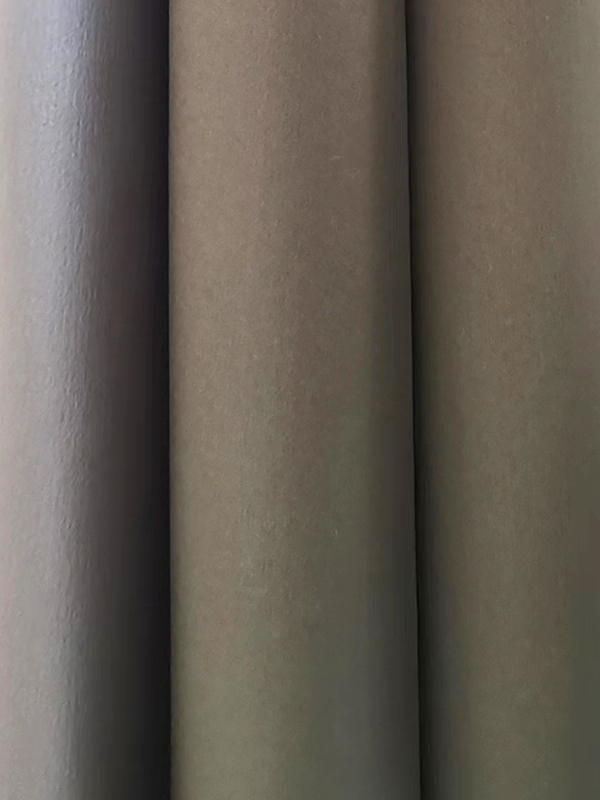
At Redcolor, the four-way stretch collection focuses on functional woven fabrics for active and outdoor clothing. One representative product is a 75D 2/1 twill four-way stretch fabric with a weft cold-silk finish, designed to deliver a cool touch while allowing free movement through the shoulders and hips.
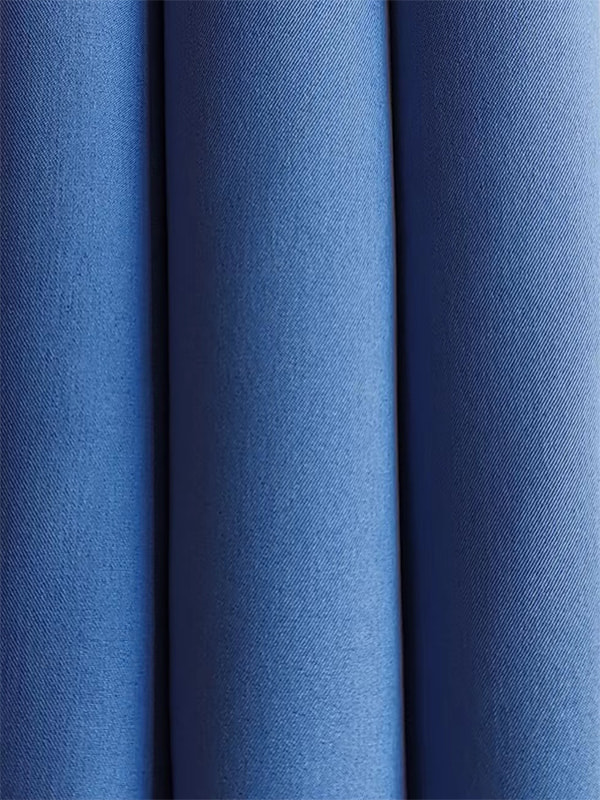 75D 2/1 Twill Four-Way Stretch Fabric with Cold Silk FinishThis woven fabric combines four-way stretch with a weft cold-silk finish, delivering a cool touch and freedom of movement for activewear and outdoor clothing.View Product →
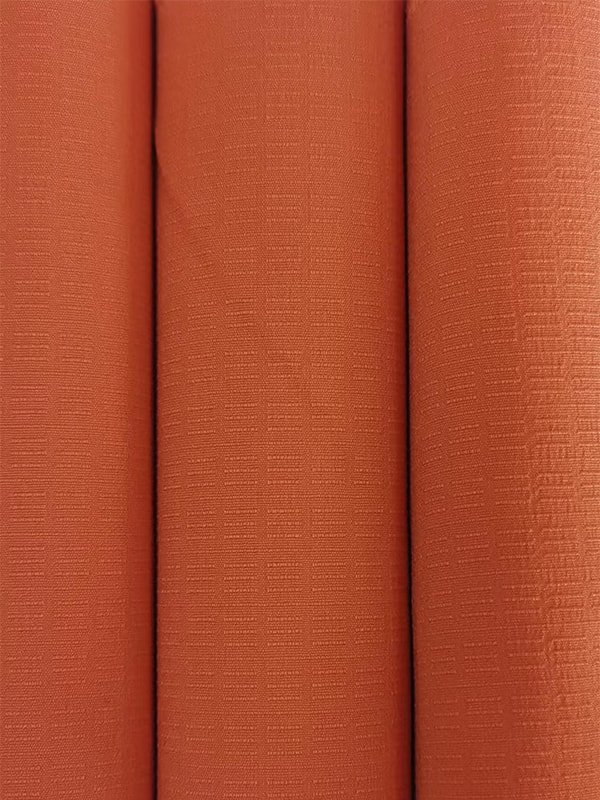
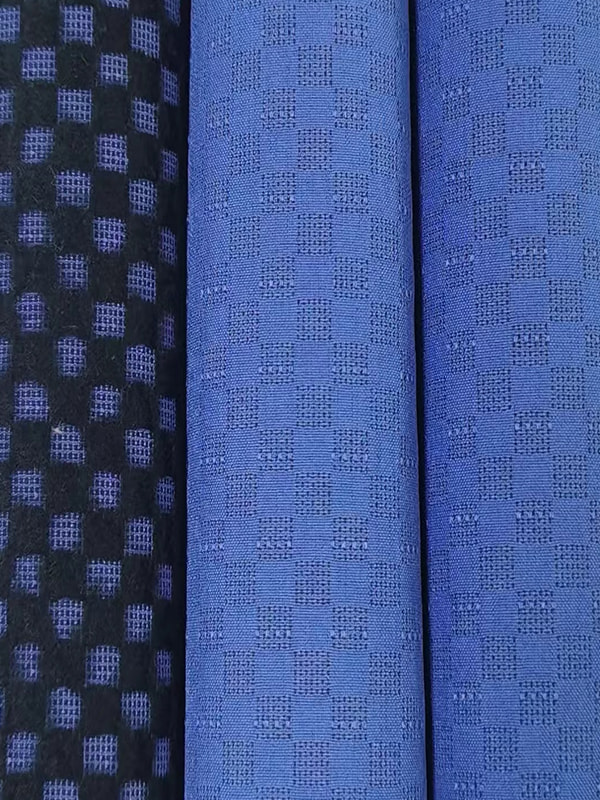
Another important route is mechanical stretch, which uses the geometry of the weave rather than elastic fibers to create a flexible structure. This approach is highly valued in sustainable sportswear because it can eliminate spandex dependency while retaining good recovery. A 75D weft-direction environmentally friendly mechanical elastic fabric is a typical example of a cleaner, recyclable alternative for performance apparel.
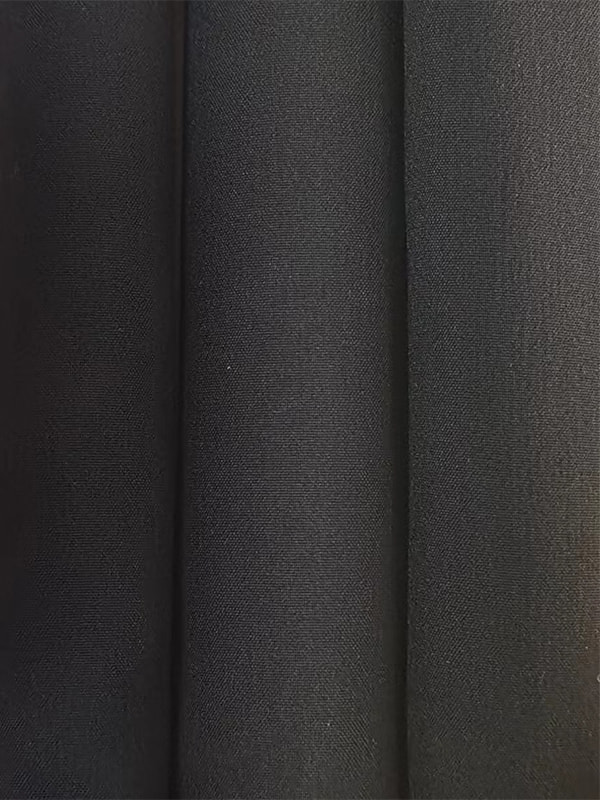 75D Weft Mechanical Elastic Fabric for Sustainable SportswearUsing weave geometry instead of elastic fibers, this 75D weft fabric provides recovery and flexibility while eliminating spandex dependency, making it a recyclable choice for performance apparel.View Product →
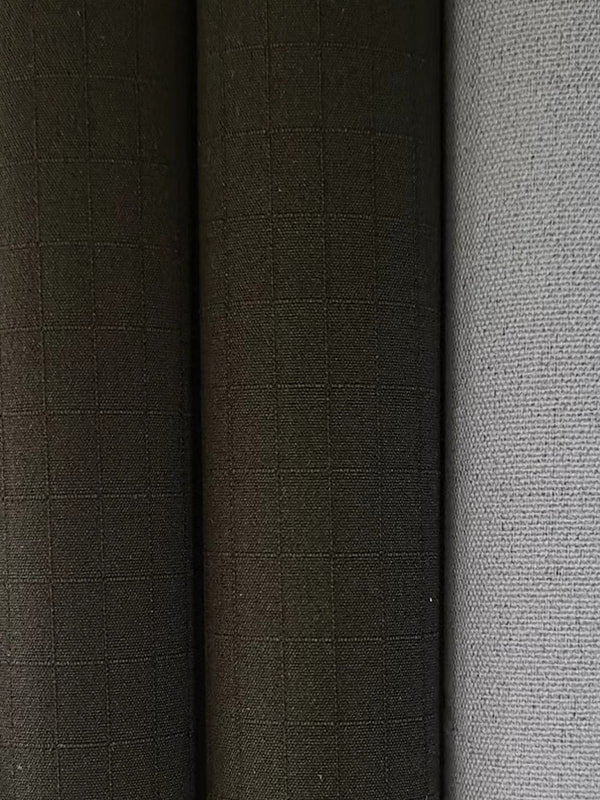
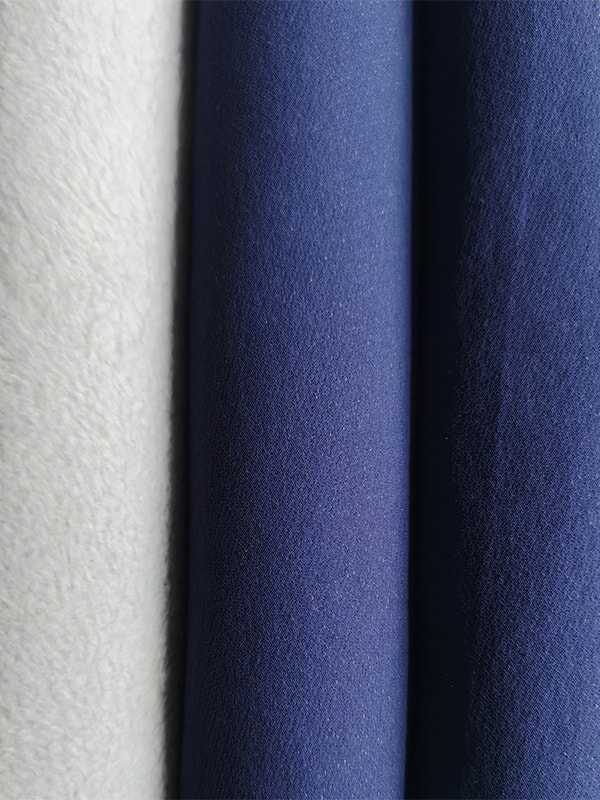
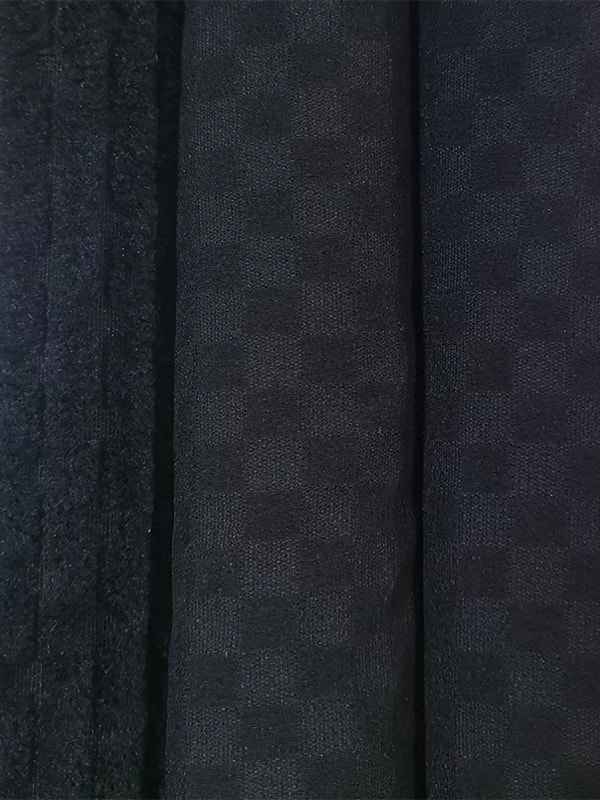
For garments that require a softer handfeel and strong shape memory, the T800 series offers another solution. The 75D 2/2 cationic T800 dull stretch fabric combines a textured face with dependable elasticity, making it suitable for leggings, compression tops, and outer layers that must return to shape after every stride or stretch.
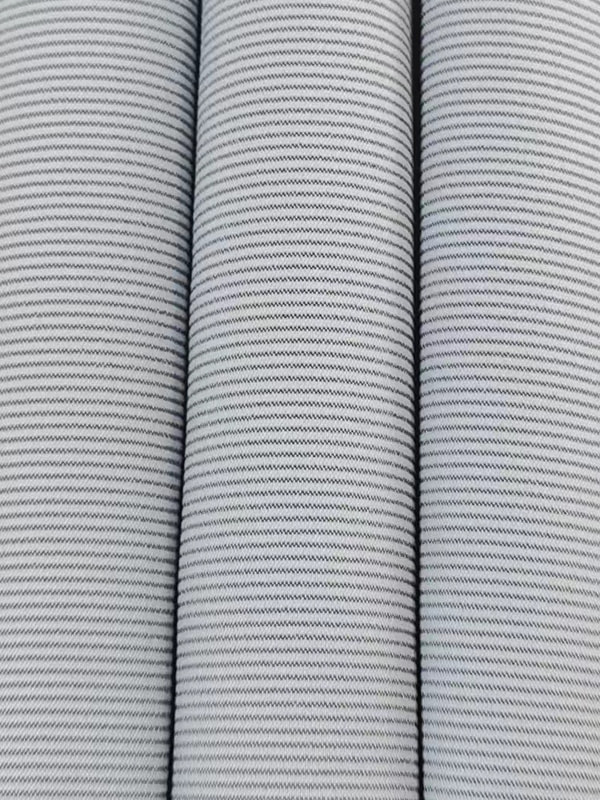 75D 2:2 Cationic T800 Dull Stretch FabricPart of the T800 series, this 2/2 twill stretch fabric offers a soft handfeel and strong shape memory, suitable for leggings, compression tops, and outer layers that need to retain form.View Product →
Side-by-Side Comparison: 2-Way vs 4-Way Stretch
To make an informed material decision, it is useful to compare the two stretch types across the key performance parameters that affect ergonomic freedom and long-term comfort.
| Property | 2-Way Stretch | 4-Way Stretch |
|---|---|---|
| Stretch Direction | One axis only | Both warp and weft |
| Fit Conformity | May restrict complex movement | Follows body contours closely |
| Freedom of Motion | Limited to a single plane | Multi-planar and adaptive |
| Support & Compression | Good for targeted zones | Can be tuned with base weave |
| Recovery Performance | Good along the stretch axis | Excellent in all directions |
| Durability | Depends on yarn and weave | Generally high with T400/T800 |
| Best Applications | Waistbands, cuffs, structured panels | Leggings, sports bras, base layers, shells |
The table quickly shows why 4-way stretch is the stronger candidate for ergonomic freedom. By covering both fabric directions, it removes the most common source of activewear discomfort: the inability to follow the body when movement happens outside the stretch axis.
How to Choose Between 2-Way and 4-Way Stretch
There is no universal winner in every situation. The right choice depends on the garment type, the intended exercise, and the level of support the design must provide.
When 4-Way Stretch Is the Stronger Choice
- Yoga, Pilates, and dance require extreme articulation in multiple planes, so the entire panel should stretch with the body.
- Running and cycling involve continuous muscle expansion and contraction, which demands both longitudinal flexibility and lateral conformity to prevent chafing.
- Fitted base layers must adapt to muscle swelling and joint rotation without losing compression balance.
When 2-Way Stretch Might Still Be Relevant
- Waistbands, cuffs, and hem tapes need targeted tension along a single direction to keep the garment securely in place.
- Structured outerwear can use 2-way stretch panels to add directional comfort while keeping other sections stable.
- Some high-compression garments deliberately use 2-way stretch zones to create differential pressure and support specific muscle groups.
If your design priority is maximum ergonomic freedom, 4-way stretch is almost always the safer route. But if you need directional support or want to minimize material cost without sacrificing the main movement plane, a carefully placed 2-way stretch panel can still be a smart technical choice.
FAQ: 2-Way vs 4-Way Stretch in Activewear
Q1: Is 4-way stretch always better than 2-way stretch?
For ergonomic freedom, yes. 4-way stretch allows movement in all directions, so the garment is less likely to restrict complex joint actions. However, 2-way stretch can be preferable for targeted compression and edge applications.
Q2: Can I achieve 4-way stretch without spandex?
Yes. Mechanical stretch weaving and textured yarns such as T400 and T800 can produce 4-way stretch behavior without spandex, improving recyclability and consistency while reducing the risk of premature sagging.
Q3: Does 4-way stretch lose its shape faster?
Not necessarily. High-quality yarns and double-weave or mechanical stretch constructions recover well. T800 and T400-based fabrics are especially known for strong dimensional stability after repeated wear and washing.
Q4: What should I specify when ordering stretch fabric?
Define the stretch axis, elongation percentage, recovery rate, end-use motion, and finishing requirements. For high-performance activewear, request a multi-directional recovery test so the fabric can be validated under real movement patterns.
Ultimately, the comparison between 4-way stretch and 2-way stretch comes down to the type of movement your activewear must support. If you value ergonomic freedom across a wide range of motions, 4-way stretch is the stronger candidate. Technologies such as four-way stretch weaving, mechanical elasticity, and T400/T800 yarns give manufacturers the flexibility to meet both performance and sustainability goals. For more guidance on fabric selection and development, explore Redcolor's functional fabric solutions.
Contact Us for More Details
Don't hesitate to contact when you need us!

Product Categories
Contact Information
-
NO.1 Huanhu Road(Building I)Pingwang, Wu Jiang, Suzhou, Jiangsu, China
-
+86-13962557213
-
+86-512-80739991-801
-
+86-512-80739990
