
 English
 中文简体
中文简体
75D Weft Mechanical Stretch Fabric: A Technical and Application Analysis
2026-06-21
In the ever-evolving textile industry, the demand for fabrics that combine comfort, performance, and sustainability is at an all-time high. The 75D weft environmentally friendly mechanical elastic fabric represents a significant innovation in this space, offering a unique solution for apparel manufacturers. This article provides a detailed technical analysis of this fabric, exploring its construction, performance characteristics, and the advantages it holds over traditional stretch materials.
Content
- 1 Understanding Mechanical Stretch Technology
- 2 Technical Specifications and Performance Characteristics
- 3 Comparative Analysis: Mechanical vs. Spandex-Based Stretch
- 4 Environmental Sustainability: A Core Feature
- 5 Versatile Applications: From Jackets to Outerwear
- 6 Quality and Manufacturing Standards
- 7 Conclusion: A Fabric for the Future
- 8 Frequently Asked Questions (FAQs)
- 8.1 What is the difference between mechanical stretch and spandex stretch?
- 8.2 What does 75D mean in the context of this fabric?
- 8.3 Is this fabric truly environmentally friendly?
- 8.4 What types of garments is this fabric best suited for?
- 8.5 How does this fabric perform in terms of durability and care?
- 9 References and Technical Literature
Understanding Mechanical Stretch Technology
Mechanical stretch represents a fundamental shift in how elasticity is achieved in textiles. Unlike traditional stretch fabrics that rely on elastomeric fibers such as spandex or elastane, mechanical stretch fabrics achieve their elasticity through structural engineering. This is accomplished during the weaving process, where yarns are arranged and processed in specific ways to create a spring-like configuration within the fabric itself.
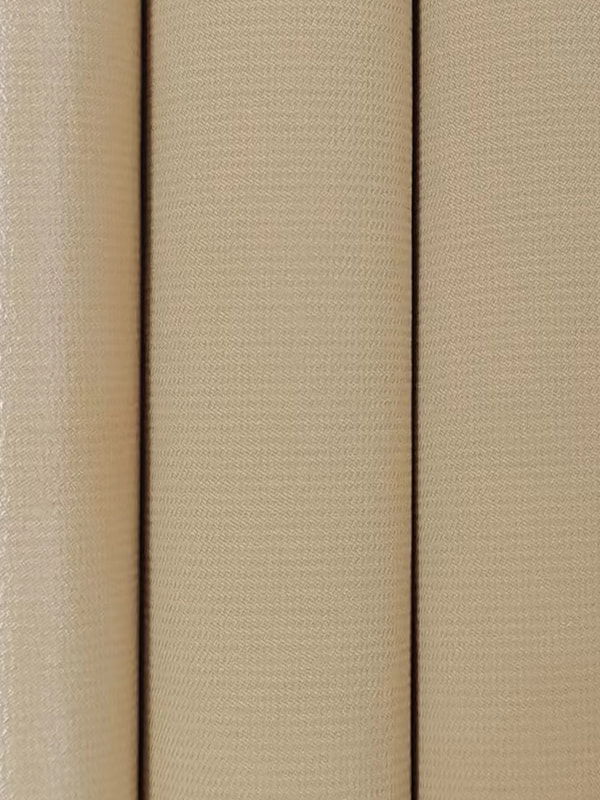
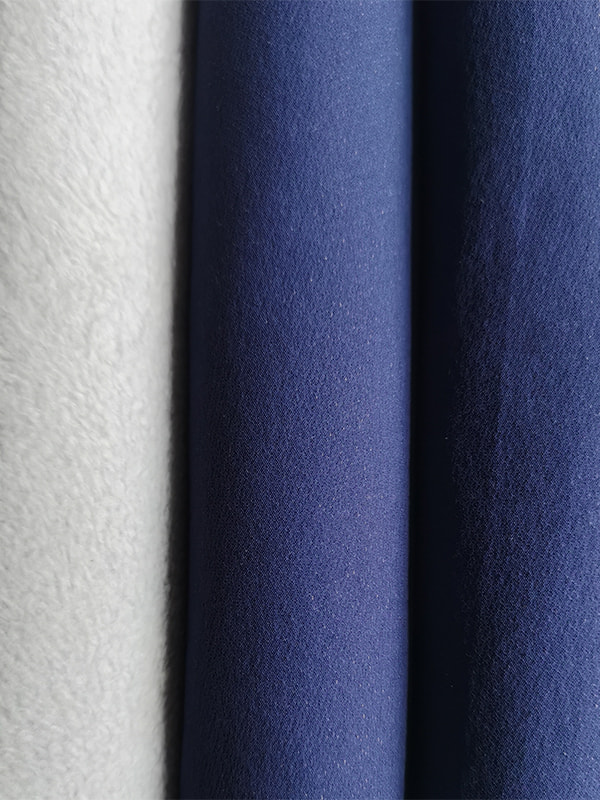
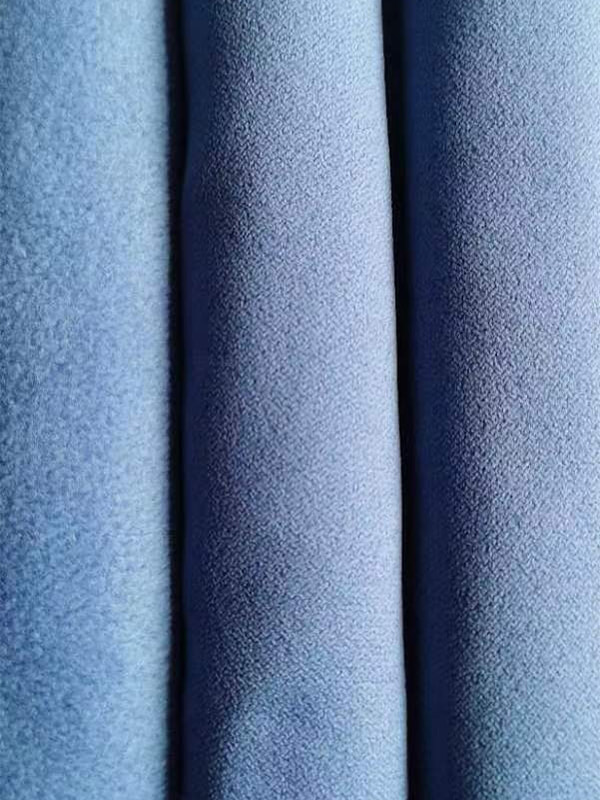
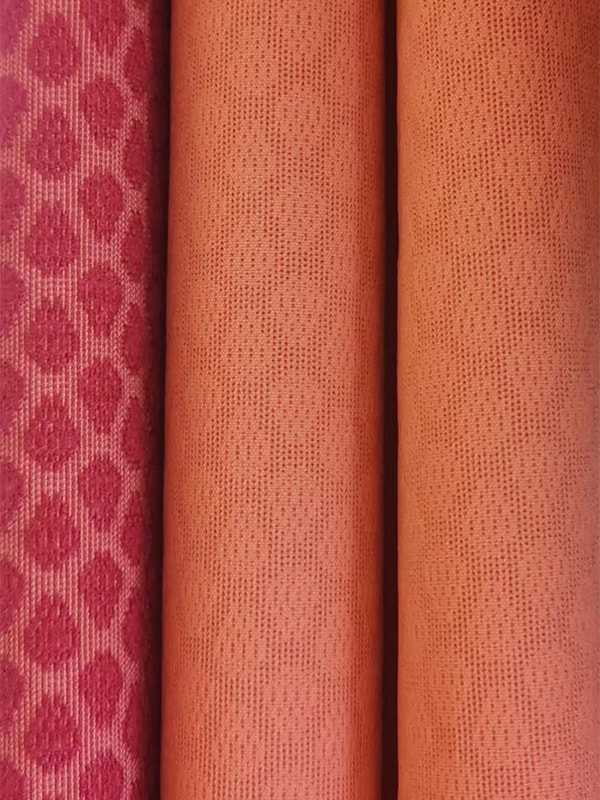
The 75D weft mechanical stretch fabric is a prime example of this technology. The 75D specification refers to the denier of the yarn used, indicating a fine, lightweight yarn that is ideal for creating smooth, comfortable fabrics. By engineering the weft (horizontal) yarns for stretch, this fabric provides targeted flexibility that moves with the wearer while maintaining its shape and structure.
Technical Specifications and Performance Characteristics
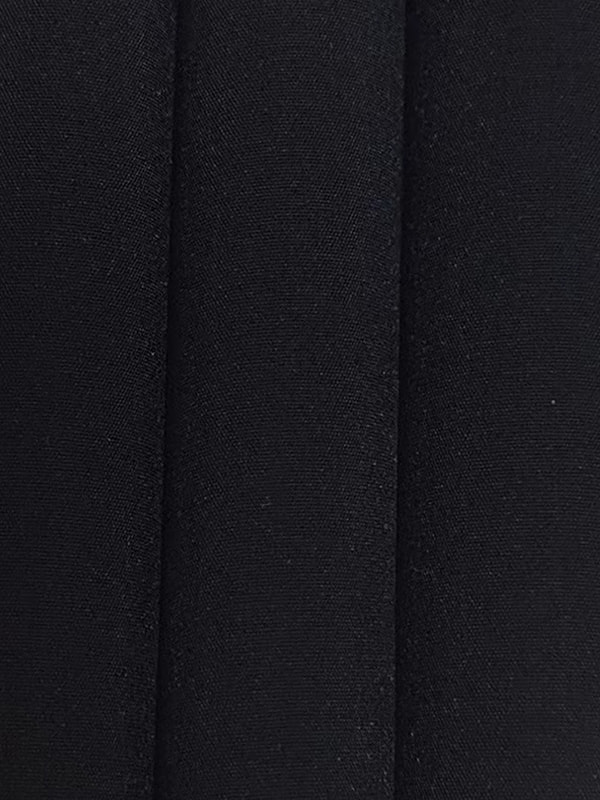
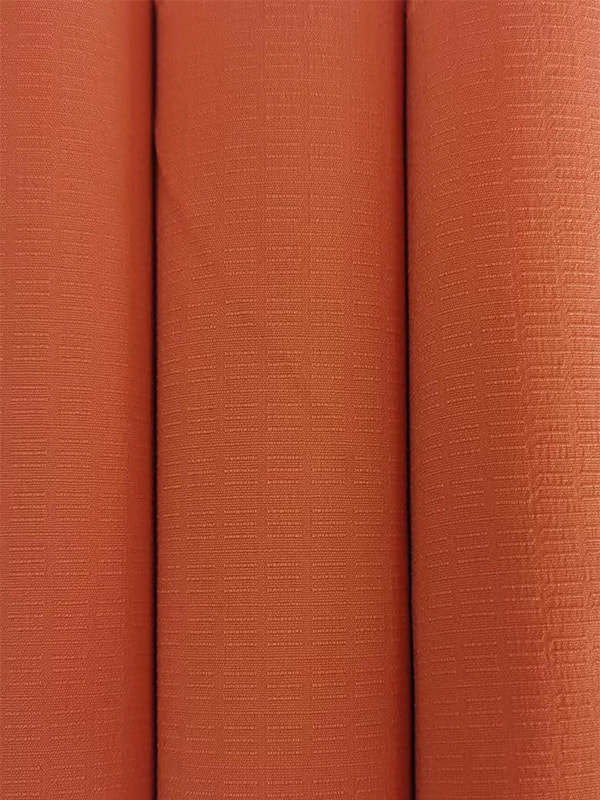
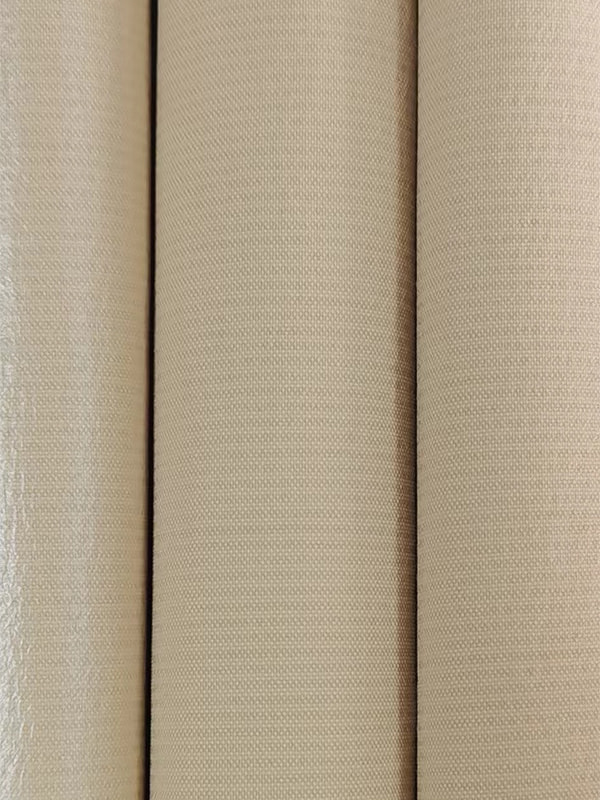
The performance of the 75D weft mechanical stretch fabric is defined by its precise technical specifications. The following table outlines the key parameters as detailed by the manufacturer.
| Parameter | Specification | Implication for Use |
|---|---|---|
| Composition | P: 99% (Polyester dominant) | Provides durability, wrinkle resistance, and a smooth surface finish. The high polyester content ensures excellent shape retention. |
| Specifications | 75D*75D/RECYCLE | Fine denier yarns create a lightweight, smooth fabric. The RECYCLE designation indicates the use of recycled materials, aligning with environmental sustainability. |
| Width | 58 inches | A standard width suitable for efficient cutting and manufacturing of various garment types. |
| Weight | 82 g/m² (Approx. 2.4 oz/yd²) | Lightweight fabric ideal for spring and autumn outerwear, jackets, and similar garments. It provides comfort without adding bulk. |
| Stretch Type | Weft (Horizontal) Mechanical Stretch | Provides two-way stretch primarily in the horizontal direction, allowing for ease of movement and a comfortable fit in garments like jackets and outerwear. |
Comparative Analysis: Mechanical vs. Spandex-Based Stretch
Understanding the differences between mechanical stretch and spandex-based stretch is crucial for manufacturers selecting materials for their products. The 75D weft mechanical stretch fabric offers distinct advantages in several key areas.
| Feature | Mechanical Stretch (75D Weft Fabric) | Spandex-Based Stretch |
|---|---|---|
| Stretch Mechanism | Achieved through yarn and weave engineering, not synthetic fibers. | Achieved through elastomeric fibers like spandex/elastane that have inherent elasticity. |
| Stretch Capacity | Lower but consistent and durable; typically 10-18%. | Very high; can stretch up to 500% of original length. |
| Recovery and Durability | Excellent recovery that lasts; not prone to degradation from heat or chemicals. | Good recovery but can degrade over time, especially with heat and chlorine. |
| Fabric Feel | More natural feel, often associated with cotton, wool, or smooth polyesters. | Can feel synthetic and tight; often has a clingy quality. |
| Sustainability | Can be produced with 100% recycled materials, reducing environmental impact. | Relies on synthetic fibers; can be blended with recycled materials but is harder to recycle due to the blend. |
Environmental Sustainability: A Core Feature
One of the most significant attributes of the 75D weft mechanical stretch fabric is its environmentally friendly composition. The RECYCLE designation in its specifications indicates that it is manufactured using recycled materials. This aligns with the growing demand for sustainable textiles, particularly in the apparel industry where consumers and brands are increasingly focused on reducing their environmental footprint.
This sustainability focus is further enhanced by the mechanical stretch technology itself. By eliminating the need for spandex, the fabric becomes easier to recycle at the end of its life, supporting a circular economy model. As the textile industry moves towards greater sustainability, fabrics like this 75D weft mechanical stretch fabric are poised to become industry standards.
Versatile Applications: From Jackets to Outerwear
The 75D weft mechanical stretch fabric is specifically engineered for a range of apparel applications. Its technical properties make it an ideal choice for several garment types.
- Outerwear and Jackets: The lightweight yet durable construction, combined with the weft stretch, provides comfort and ease of movement in jackets. The fabric's smooth surface also lends itself well to various finishing processes.
- Shirting and Blouses: The fine 75D yarns create a smooth, comfortable hand feel, making this fabric suitable for shirts and blouses where both drape and a slight stretch are desired.
- Activewear: While not designed for high-performance sports, the comfort and flexibility of this fabric make it suitable for casual activewear and athleisure garments.
- Versatile Apparel: The fabric's water resistance adds another layer of functionality, making it suitable for transitional weather garments.
For detailed product specifications and to explore this fabric's full potential, you can visit the 75D Weft Mechanical Elastic Fabric product page.
Quality and Manufacturing Standards
Manufacturers choosing the 75D weft mechanical stretch fabric benefit from its reliable performance and high-quality standards. The fabric's composition of 99% polyester provides excellent resistance to wrinkling, shrinking, and abrasion, ensuring garments maintain their appearance and shape over time. The mechanical stretch is permanent and does not degrade with washing or wear, unlike spandex which can lose its elasticity.
Furthermore, the use of recycled materials does not compromise the fabric's performance. Advanced manufacturing processes ensure that the recycled polyester fibers meet the same rigorous standards as virgin fibers, providing consistent quality and feel. This combination of performance and sustainability makes this fabric a reliable choice for brands looking to enhance their product offerings with eco-friendly materials.
Conclusion: A Fabric for the Future
The 75D weft environmentally friendly mechanical elastic fabric represents a convergence of innovation, performance, and responsibility. By combining the benefits of mechanical stretch technology with the use of recycled materials, this fabric meets the needs of modern consumers and the demands of a sustainable future. Its versatility in applications from outerwear to shirting, combined with its durability and comfort, makes it an essential material for manufacturers seeking to create garments that are both functional and environmentally conscious.
Frequently Asked Questions (FAQs)
What is the difference between mechanical stretch and spandex stretch?
Mechanical stretch is achieved through the weaving or knitting process, creating elasticity from the fabric's structure without synthetic elastic fibers. Spandex stretch relies on elastomeric fibers like Lycra or elastane to provide stretch. Mechanical stretch tends to feel more natural and is more durable, while spandex offers a much higher degree of stretch.
What does 75D mean in the context of this fabric?
75D refers to the denier of the yarn, which is a unit of measurement for the linear mass density of fibers. A 75D yarn is relatively fine, indicating that the fabric will be lightweight, smooth, and have a soft hand feel, making it suitable for apparel like jackets and shirts.
Is this fabric truly environmentally friendly?
Yes, the RECYCLE designation in its specifications confirms that it is made with recycled materials. Additionally, the mechanical stretch technology eliminates the need for spandex, making the fabric easier to recycle at the end of its life, supporting a more circular economy.
What types of garments is this fabric best suited for?
This fabric is ideal for spring and autumn outerwear, jackets, shirts, and other apparel where a lightweight, comfortable fabric with slight stretch and water resistance is desired. Its smooth surface and versatility make it a great choice for a range of fashion applications.
How does this fabric perform in terms of durability and care?
The high polyester content provides excellent durability, wrinkle resistance, and shape retention. The mechanical stretch is permanent and does not degrade with washing. It is a low-maintenance fabric that does not require special care or heat setting.
References and Technical Literature
- Spandex Palace. Unraveling the Differences: Stretch Spandex Fabric vs. Mechanical Stretch Fabric.
- CottonWorks. NATURAL STRETCH Technology.
- 5.11 Inc. Rip-stop fabric with mechanical stretch fibers. US9637845B2.
- 1620 Workwear. Stretch it Out: What You Need to Know About Stretch Fabrics in Workwear.
- LYCRA Company. LYCRA T400 EcoMade fiber.
- Redcolor Textile. 75D Weft environmentally friendly mechanical elastic fabric.
Contact Us for More Details
Don't hesitate to contact when you need us!
Product Categories
Contact Information
-
NO.1 Huanhu Road(Building I)Pingwang, Wu Jiang, Suzhou, Jiangsu, China
-
+86-13962557213
-
+86-512-80739991-801
-
+86-512-80739990
