
 English
 中文简体
中文简体
60D Cationic Polyester Four-Way Stretch Fabric: A Comprehensive Technical and Application Analysis
2026-06-26
In the dynamic world of textile innovation, few materials have captured the attention of designers and manufacturers quite like four-way stretch fabrics. Among the most sophisticated developments in this category is the 60D cationic polyester four-way stretch fabric. This article provides an in-depth technical analysis of this fabric, exploring its unique composition, performance characteristics, and the distinct advantages it offers over conventional stretch materials. We will examine the science behind cationic dyeing, the mechanics of four-way stretch, and the versatile applications that make this fabric a preferred choice for contemporary apparel.
Content
- 1 Understanding Cationic Polyester: The Science of Color
- 2 Technical Specifications and Performance Characteristics
- 3 The Mechanics of Four-Way Stretch
- 4 Comparative Analysis: Cationic Polyester Four-Way Stretch vs. Conventional Fabrics
- 5 Versatile Applications: From Coats to Activewear
- 6 Quality and Manufacturing Standards
- 7 Conclusion: A Fabric Engineered for Performance and Aesthetics
- 8 Frequently Asked Questions (FAQs)
- 8.1 What is the key difference between cationic polyester and regular polyester?
- 8.2 What exactly does "four-way stretch" mean for this fabric?
- 8.3 Is this fabric suitable for activewear and sports applications?
- 8.4 How should garments made from this fabric be cared for?
- 8.5 What makes this fabric environmentally friendlier than others?
- 9 References and Technical Literature
Understanding Cationic Polyester: The Science of Color
Cationic polyester represents a significant advancement in fiber technology. Unlike standard polyester, which requires high-temperature, high-pressure conditions for dyeing, cationic polyester is a modified fiber engineered to accept dye more readily. Through the introduction of cationic dyeable sulfonic acid groups into the polymer chain, the fiber gains a high affinity for cationic dyes, resulting in deep, vibrant, and exceptionally colorfast hues [citation:5][citation:7].
The "cationic" designation is crucial for understanding the fabric's visual appeal. A key characteristic is its ability to achieve a two-color or bi-color effect when woven with regular polyester [citation:1][citation:6]. Because cationic and regular polyester fibers have different dye affinities, they take up dye at different rates, creating a striking, multi-tonal appearance on the fabric surface. This effect can mimic more expensive yarn-dyed or jacquard fabrics, offering a cost-effective way to add visual depth and texture to garments [citation:5].
Technical Specifications and Performance Characteristics
The performance of the 60D cationic polyester four-way stretch fabric is defined by its precise technical specifications. The following table outlines the key parameters as detailed by the manufacturer.
| Parameter | Specification | Implication for Use |
|---|---|---|
| Composition | P: 93%, SP: 7% (Polyester/Spandex) | The high polyester content provides durability, wrinkle resistance, and a smooth finish. The 7% spandex is the key to the fabric's exceptional stretch and recovery [citation:1]. |
| Specifications | 60D+20DSP*60D+20DSP | Indicates that the warp and weft yarns are a combination of 60 denier cationic polyester and 20 denier spandex. The fine denier yarns contribute to a lightweight, smooth texture [citation:1]. |
| Width | 59 inches | A standard width suitable for efficient cutting and manufacturing of various garment types [citation:1]. |
| Weight | 94 g/m² (Approx. 2.8 oz/yd²) | Lightweight fabric ideal for garments such as coats and jackets. It provides comfort and flexibility without adding unnecessary bulk [citation:1]. |
| Stretch Type | Four-Way Stretch | Stretches in both the warp and weft directions, providing exceptional freedom of movement and shape retention [citation:1][citation:6]. |
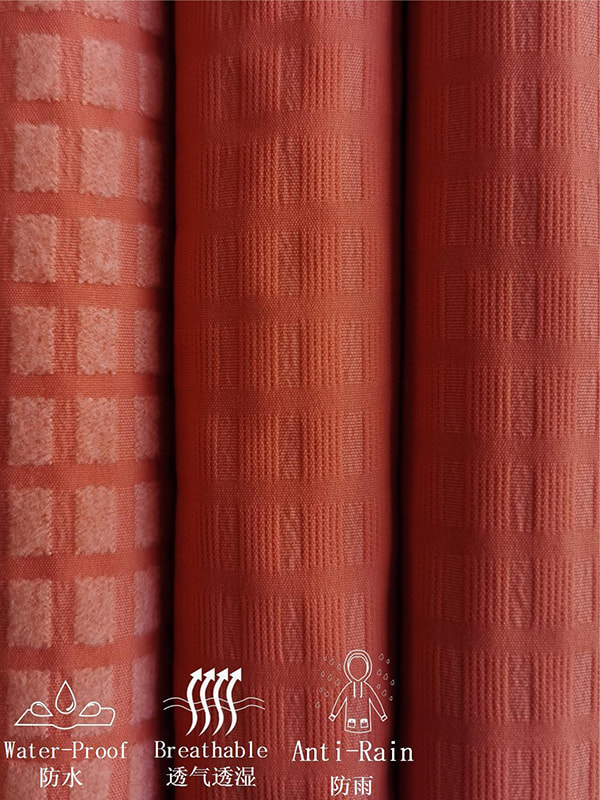
| Key Feature | Waterproof Functionality | Adds to the fabric's versatility, making it suitable for outerwear designed to protect against light rain [citation:1]. |
The Mechanics of Four-Way Stretch
Understanding the concept of four-way stretch is fundamental to appreciating the value of this fabric. In simple terms, a four-way stretch fabric stretches and recovers in both the crosswise (weft) and lengthwise (warp) grains [citation:4][citation:6]. This is a significant improvement over two-way stretch fabrics, which only stretch in one direction [citation:4].
The 60D cationic polyester fabric achieves this through the integration of spandex fibers in both the warp and weft yarns. This construction allows the fabric to move dynamically with the body, adapting to human activities and preventing garments from deforming, especially in high-stress areas like knees and elbows [citation:6][citation:10]. This superior elasticity ensures that clothing maintains its shape and appearance over extended periods of wear.
Comparative Analysis: Cationic Polyester Four-Way Stretch vs. Conventional Fabrics
To fully appreciate the value of the 60D cationic polyester four-way stretch fabric, it is helpful to compare it to other common textile options. The following table highlights its distinct advantages [citation:6][citation:7].
| Feature | 60D Cationic Polyester 4-Way Stretch | Standard Polyester | Cotton/Conventional Fabrics |
|---|---|---|---|
| Color & Aesthetic | Vibrant, deep colors; offers a two-color effect. Excellent color fastness (>4.5 grade) [citation:7]. | Requires high-temperature dyeing; limited color depth and fastness. | May fade over time; less vibrant than synthetic options. |
| Stretch & Recovery | Superior four-way stretch; exceptional recovery and shape retention [citation:1][citation:6]. | Generally low stretch unless combined with elastane in a two-way configuration. | Minimal stretch; prone to wrinkling and losing shape. |
| Durability | High strength, abrasion, and corrosion resistance [citation:6]. | Good durability and strength. | Lower durability; prone to wear and tear. |
| Comfort & Performance | Good water absorption, moisture-wicking, and quick-drying properties [citation:6]. | Lower moisture absorption; can feel less comfortable next to skin. | High breathability and comfort but poor wrinkle resistance. |
| Special Features | Anti-static, UV protection, antibacterial, and waterproof options available [citation:1][citation:6]. | Limited special features. | May require chemical treatments for added functionality. |
Versatile Applications: From Coats to Activewear
The unique combination of properties in the 60D cationic polyester four-way stretch fabric makes it suitable for a wide range of applications. Its aesthetic appeal, comfort, and functionality open doors to diverse garment types.
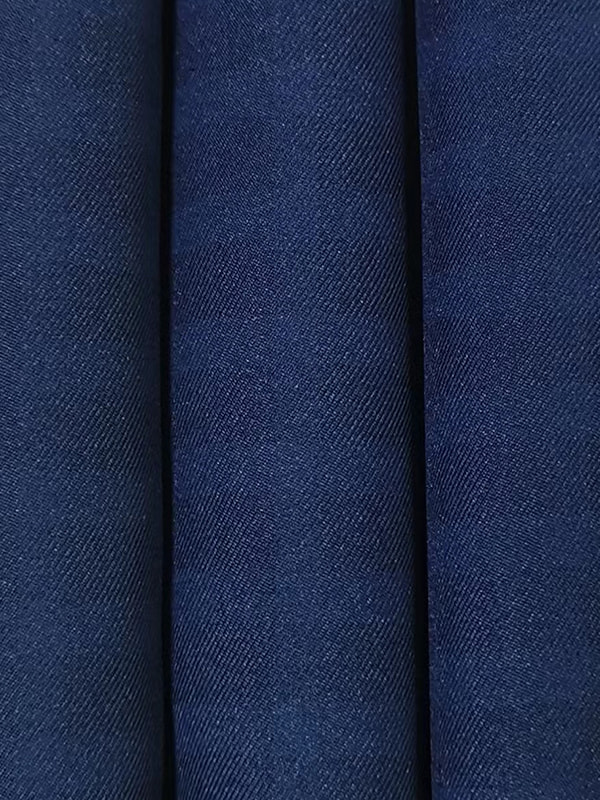
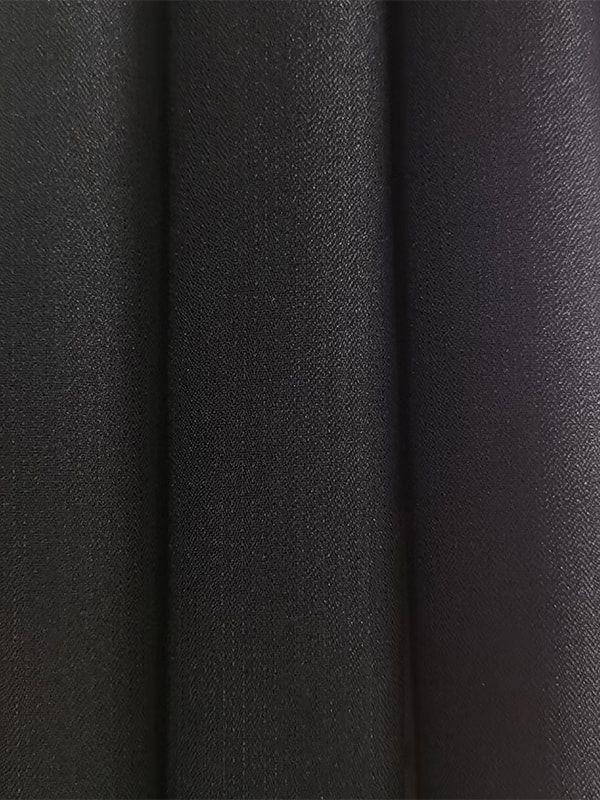
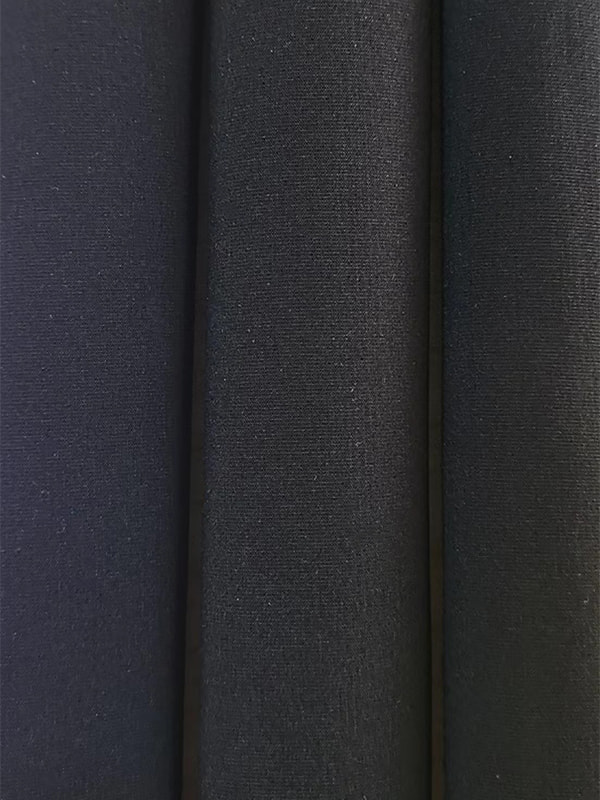
- Outerwear and Jackets: The fabric's smooth texture, structural integrity, and waterproof function make it an excellent choice for coats and jackets. The four-way stretch provides comfort and ease of movement, while the cationic dyeing ensures a rich, deep color that stands out [citation:1].
- Sportswear and Activewear: The fabric's moisture absorption, wicking, and quick-drying properties are ideal for sportswear and yoga wear [citation:6]. The exceptional stretch allows for unrestricted movement, while the anti-static and antibacterial properties add to the overall comfort and hygiene of the garment [citation:6].
- Fashion Apparel: The unique two-color effect of the cationic fabric adds a high-fashion element to dresses, trousers, and skirts. The fabric's ability to hold a crisp shape while offering comfort and ease makes it a favorite for contemporary design [citation:9].
- Loungewear and Casual Wear: The combination of a smooth feel, slight weight, and excellent stretch makes it ideal for comfortable yet stylish loungewear and casual pieces that transition seamlessly from home to outdoor activities.
For detailed product specifications and to explore this fabric's full potential, you can visit the 60D Cationic Polyester Four-Way Stretch Fabric product page.
Quality and Manufacturing Standards
The 60D cationic polyester fabric is produced by manufacturers who integrate spinning, texturing, weaving, and trade, ensuring stringent quality control at every stage of production [citation:1]. The use of high-quality cationic yarns and spandex ensures that the finished fabric meets rigorous standards for strength, elasticity, and colorfastness [citation:7]. This vertically integrated approach allows for consistent quality and a reliable supply chain, making it a trusted choice for brands and manufacturers worldwide.
Conclusion: A Fabric Engineered for Performance and Aesthetics
The 60D cationic polyester four-way stretch fabric is a remarkable example of textile engineering that successfully marries aesthetics with performance. Its vibrant, deep colors and unique two-color effect provide visual interest, while its four-way stretch construction offers unparalleled comfort and shape retention. The fabric's durability, ease of care, and functional properties like waterproofing and moisture-wicking make it a versatile and reliable choice for a wide spectrum of apparel. As the demand for fabrics that offer both style and substance continues to grow, this cationic stretch fabric is positioned as a leading solution for the modern apparel industry.
Frequently Asked Questions (FAQs)
What is the key difference between cationic polyester and regular polyester?
Cationic polyester is a modified polyester fiber that has been engineered to accept dye more readily at lower temperatures, resulting in deeper, more vibrant, and colorfast hues. A notable benefit is its ability to create a two-color effect when woven with regular polyester [citation:5][citation:7].
What exactly does "four-way stretch" mean for this fabric?
Four-way stretch means the fabric stretches and recovers in both the lengthwise (warp) and crosswise (weft) directions. This provides exceptional freedom of movement and allows the fabric to conform to the body without losing its shape [citation:1][citation:4][citation:6].
Is this fabric suitable for activewear and sports applications?
Yes, it is highly suitable. The fabric's composition of 7% spandex provides excellent four-way stretch. Its moisture absorption and quick-drying properties make it comfortable for activewear, while the cationic polyester enhances color vibrancy and UV protection [citation:1][citation:6].
How should garments made from this fabric be cared for?
This fabric is relatively low-maintenance. It is generally recommended to machine wash warm or cold and tumble dry on low. Due to its high color fastness, it resists fading. Ironing, if needed, should be done at a low temperature to protect the fibers.
What makes this fabric environmentally friendlier than others?
The fabric is considered more environmentally friendly due to the cationic dyeing process, which can be done at lower temperatures and with less water and energy than conventional polyester dyeing. This reduces the overall environmental footprint of the textile production [citation:5][citation:7].
References and Technical Literature
- Redcolor Textile. 60D Cationic polyester four-way stretch fabric. Product Details.
- Hengli Group. Cationic Dyed FDY. Product Overview.
- Shang Yu Textile. Double color polyester cationic 4-way stretch, SYSG013.
- Made-in-China.com. 100% Cationic Dyeable Polyester Yarn FDY.
- Mood Fabrics. Heathered Hot Pink Cationic Polyester Stretch Twill.
- UKC Forums. What is 4-way stretch?
- KQ Index. Cationic Jacquard Striped 4-way Stretch Linen Sells well in the Market.
- Pine Crest Fabrics. Reversable Wicking Dobby Rib.
Contact Us for More Details
Don't hesitate to contact when you need us!
Product Categories
Contact Information
-
NO.1 Huanhu Road(Building I)Pingwang, Wu Jiang, Suzhou, Jiangsu, China
-
+86-13962557213
-
+86-512-80739991-801
-
+86-512-80739990
