
 English
 中文简体
中文简体
A Comprehensive Guide to Mechanical Stretch Fabric: Technology, Types, and Applications
2026-01-02
In the dynamic world of textiles, innovation is constant. Among the most significant advancements for apparel and industrial applications is mechanical stretch fabric. Unlike elastane-based knits, this technology offers durable, multi-directional stretch through a unique engineering of woven yarns, providing comfort, shape retention, and performance. As a leader in integrated textile manufacturing, Suzhou Redcolor International Trading Co., Ltd. leverages its expertise in spinning, texturing, and weaving to produce high-quality mechanical stretch fabrics that meet the rigorous demands of global markets from the United States and Europe to Southeast Asia. This guide delves deep into the mechanics, advantages, and ideal uses of this remarkable material.
Content
- 1 What is Mechanical Stretch Fabric?
- 2 Mechanical Stretch vs. Chemical (Elastane) Stretch: A Detailed Comparison
- 3 Top 5 Applications of Mechanical Stretch Fabrics
- 4 Why Choose a Manufacturer Like Suzhou Redcolor?
- 5 Caring for Mechanical Stretch Fabrics
- 6 Frequently Asked Questions (FAQ)
- 6.1 1. Does mechanical stretch fabric lose its stretch over time?
- 6.2 2. Can mechanical stretch fabric be used for athletic wear?
- 6.3 3. Is mechanical stretch fabric more expensive?
- 6.4 4. How do I know if a fabric uses mechanical or chemical stretch?
- 6.5 5. Can you print or dye mechanical stretch fabric easily?
- 7
- 8 References
What is Mechanical Stretch Fabric?
Mechanical stretch fabric, also known as stretch-woven, achieves its elasticity through physical structure rather than chemical composition. The core principle lies in using special yarns that are processed to have a high degree of crimp or coil. When these yarns are woven tightly into the fabric's structure—typically in the weft direction—they are held under tension. Once the fabric is finished and the tension is released, the yarns want to return to their crimped state, creating a natural, resilient stretch. This method provides a comfortable give without relying on synthetic elastic fibers like spandex, resulting in a fabric that often boasts better breathability and durability.
Key Characteristics of Mechanical Stretch
- Inherent Stretch: The elasticity is built into the fabric's construction.
- Excellent Recovery: High resilience means it returns to its original shape after stretching.
- Durability: Woven structure offers superior strength and abrasion resistance compared to many knits.
- Breathability: Often more breathable than elastane-infused fabrics due to its woven nature.
- Versatility: Can be made from a wide range of fibers including cotton, polyester, nylon, and wool.
Mechanical Stretch vs. Chemical (Elastane) Stretch: A Detailed Comparison
Understanding the difference between mechanical and chemical stretch is crucial for selecting the right fabric for any project. While both provide elasticity, their properties and best uses differ significantly. The primary distinction is that mechanical stretch derives its flexibility from the physical manipulation of yarns, whereas chemical stretch incorporates elastic fibers like spandex or Lycra into the fabric blend[1].
Performance and Feature Analysis
The following table breaks down the key differences to help clarify which type of stretch is suitable for various applications.
| Aspect | Mechanical Stretch Fabric | Chemical (Elastane) Stretch Fabric |
| Core Technology | Stretch achieved through crimped yarns in a woven structure. | Stretch achieved by integrating elastane fibers (e.g., spandex) into the yarn blend. |
| Stretch & Recovery | Offers moderate, consistent stretch with excellent long-term recovery and minimal sagging. | Provides high, powerful stretch; recovery can degrade over time with heat and chemical exposure. |
| Durability & Strength | Generally more durable due to tight woven construction; resistant to pilling and abrasion. | Elastane fibers can break down with chlorine, heat, and aging, weakening the fabric. |
| Breathability & Comfort | Typically more breathable and has a natural fabric hand feel, ideal for durable workwear with stretch. | Can be less breathable; synthetic feel may not be suitable for all-day comfort in some applications. |
| Common Applications | Tailored trousers, suits, durable uniforms, outdoor gear, and high-end casual wear. | Activewear, swimwear, leggings, form-fitting fashion, and undergarments. |
As shown, mechanical stretch excels where structure, durability, and maintained appearance are paramount. For instance, breathable mechanical stretch fabrics for outdoor apparel provide the necessary freedom of movement for hikers without compromising the garment's shape or wind resistance.
Top 5 Applications of Mechanical Stretch Fabrics
The unique properties of mechanical stretch fabrics open doors to diverse applications across multiple industries.
1. Professional and Formal Wear
The demand for mechanical stretch fabric for tailored suits has revolutionized menswear and womenswear. It allows for a sharp, clean silhouette that moves with the wearer, eliminating the restrictive feel of traditional suiting.
- Enhanced comfort during long wear.
- Reduces wrinkling and maintains creases.
- Ideal for travel and active professionals.
2. High-Performance Workwear and Uniforms
For sectors like manufacturing, hospitality, and services, durable workwear with stretch is essential. Mechanical stretch fabrics provide the needed flexibility for bending and lifting while standing up to rigorous wash cycles and physical abrasion.
- Improves worker mobility and safety.
- Increases garment longevity, reducing replacement costs.
- Maintains a professional appearance throughout the day.
3. Outdoor and Active Apparel
This category heavily relies on breathable mechanical stretch fabrics for outdoor apparel. From hiking pants to soft-shell jackets, these fabrics offer freedom of movement, moisture management, and wind resistance without the bulk.
- Allows for a full range of motion during activities.
- Woven structure provides better wind resistance than many knits.
- Effective moisture-wicking when made with synthetic fibers.
4. Upholstery and Technical Textiles
Beyond apparel, mechanical stretch is used in mechanical stretch upholstery fabric solutions for furniture, automotive interiors, and aviation. The fabric can contour to curves and withstand constant use while maintaining its form.
- Provides a snug, gap-free fit on furniture frames.
- Resistant to sagging and deformation.
- Enhances durability in high-traffic seating areas.
5. Fashion and Denim
The quest for the perfect jean has led to the development of best mechanical stretch fabrics for jeans. These fabrics offer just enough give in the waist and knees for comfort while preserving the authentic denim look and minimizing bagging.
- Improves comfort in fitted styles.
- Helps jeans retain their shape wash after wash.
- Combines the classic aesthetic of denim with modern functionality.
Why Choose a Manufacturer Like Suzhou Redcolor?
Producing high-quality mechanical stretch fabric requires precise control over the entire production chain. This is where integrated manufacturers have a distinct advantage. Suzhou Redcolor International Trading Co., Ltd., with its subsidiaries Suzhou LJC Textile Co., Ltd. and Wujiang Jiabaokang Textile Co., Ltd., controls the process from spinning and texturing to weaving and finishing.
Integrated Production Advantages
- Quality Control: Direct oversight at every stage ensures consistent yarn crimp, weave tension, and final fabric performance.
- Innovation & Customization: The ability to engineer yarns and weaves from the ground up allows for creating customized mechanical stretch fabric solutions for specific client needs.
- Scale and Reliability: With two production bases and an annual output of 60 million meters, Redcolor can handle large-volume orders reliably for global markets.
- Expertise in Diverse Fibers: Experience working with natural and synthetic fibers allows for creating the right fabric blend for any application, from breathable outdoor gear to durable uniforms.
Caring for Mechanical Stretch Fabrics
Proper care is essential to maintain the stretch, recovery, and appearance of these fabrics over time.
Washing and Drying Guidelines
- Machine wash cold on a gentle cycle.
- Use mild detergents; avoid chlorine bleach and fabric softeners, which can coat fibers and hinder recovery.
- Tumble dry on low heat or air dry. High heat can damage the memory of the crimped yarns.
- Iron on a low setting if needed, avoiding direct high heat on the stretch areas.
Frequently Asked Questions (FAQ)
1. Does mechanical stretch fabric lose its stretch over time?
High-quality mechanical stretch fabric is renowned for its excellent recovery. While all materials experience some fatigue, its stretch is derived from the physical yarn crimp within a stable woven structure, making it more resistant to permanent deformation compared to some elastane-based fabrics, especially when cared for properly.
2. Can mechanical stretch fabric be used for athletic wear?
Yes, particularly for outdoor and technical athletic wear. While it may not offer the extreme, second-skin stretch of knits used for leggings, breathable mechanical stretch fabrics for outdoor apparel are ideal for activities like hiking, climbing, and golf, where freedom of movement, durability, and weather protection are key.
3. Is mechanical stretch fabric more expensive?
The initial cost can be higher than basic knits due to the complex yarn engineering and weaving processes involved. However, its superior durability and shape retention often lead to a better total cost of ownership, as garments last longer and maintain their appearance, making it a cost-effective choice for durable workwear with stretch and formal attire.
4. How do I know if a fabric uses mechanical or chemical stretch?
Check the fiber content label. Mechanical stretch will typically list only the base fibers (e.g., 100% Cotton, 97% Polyester 3% Other). Chemical stretch will explicitly list elastane, spandex, or Lycra as a component (e.g., 98% Cotton, 2% Elastane). The fabric hand feel of a mechanical stretch woven is also more similar to a traditional woven.
5. Can you print or dye mechanical stretch fabric easily?
Yes. Since the stretch is mechanical and not reliant on a synthetic elastic fiber that can be sensitive to dyes and high temperatures, these fabrics generally accept dyes and prints very well, similar to standard wovens. This makes them highly versatile for fashion and uniform applications requiring specific colors or patterns.
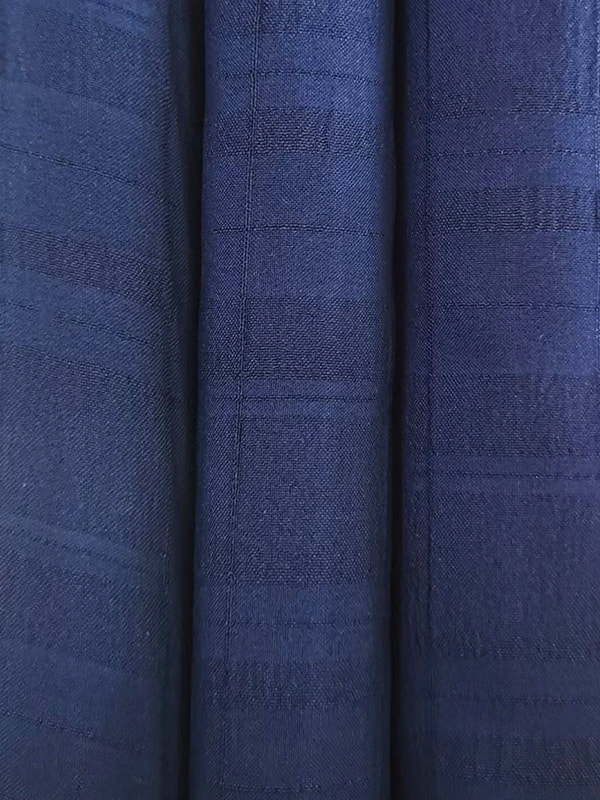
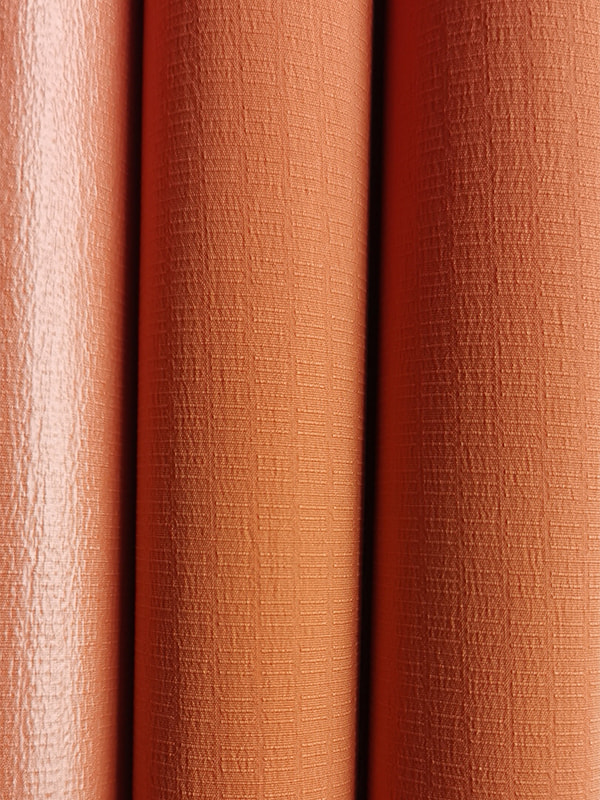
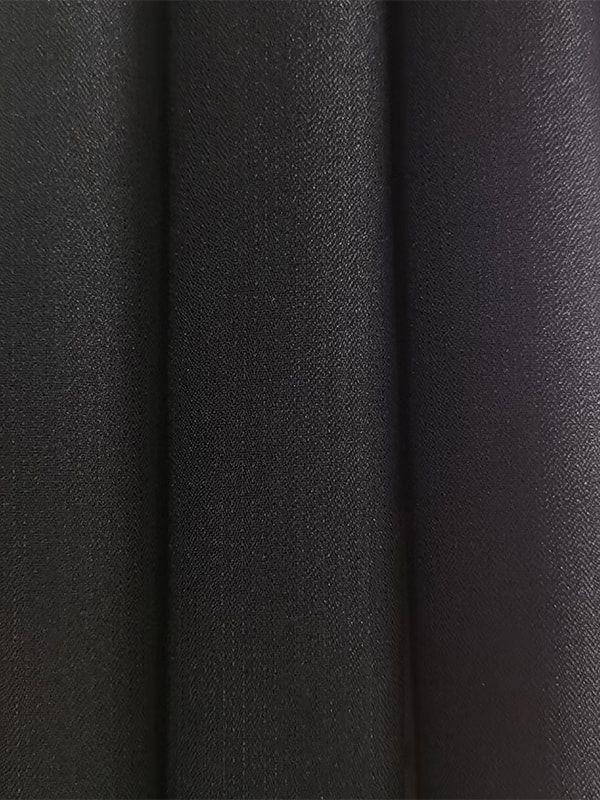
Mechanical stretch fabric represents a perfect marriage of traditional weaving craftsmanship and modern textile innovation. It solves the age-old dilemma of choosing between comfort and structure, offering a sophisticated solution for markets ranging from high fashion to industrial workwear. For brands and designers seeking reliable, high-performance textiles, partnering with an integrated manufacturer with deep expertise, such as Suzhou Redcolor International Trading Co., Ltd., is key to accessing the full potential of this technology. By controlling the process from fiber to finished fabric, Redcolor ensures that every meter produced delivers the consistent quality, durability, and comfort that global clients expect.
References
[1] Hu, J., & Xin, B. (Eds.). (2018). *Structure and Mechanics of Woven Fabrics*. Woodhead Publishing Series in Textiles. This source provides foundational knowledge on how yarn manipulation and weave structure affect fabric mechanics, including the principles behind engineered stretch[1].
Contact Us for More Details
Don't hesitate to contact when you need us!
Product Categories
Contact Information
-
NO.1 Huanhu Road(Building I)Pingwang, Wu Jiang, Suzhou, Jiangsu, China
-
+86-13962557213
-
+86-512-80739991-801
-
+86-512-80739990
