

 English
 中文简体
中文简体
Beyond Stretch: The Structural Intelligence of 4-Way Stretch Fabric
2026-08-24
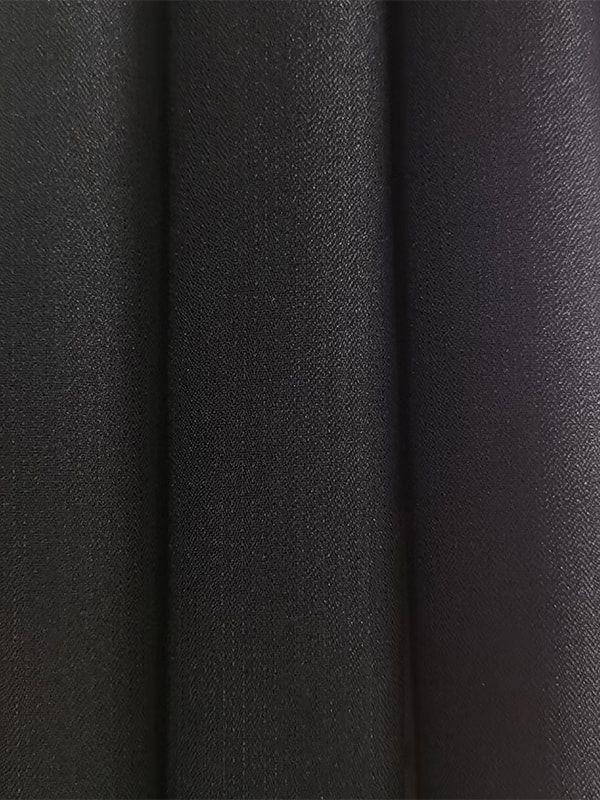
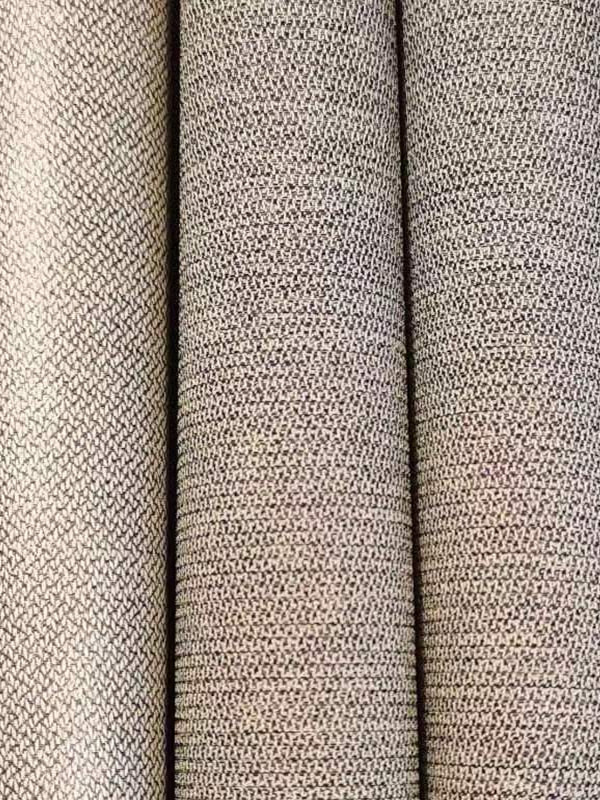
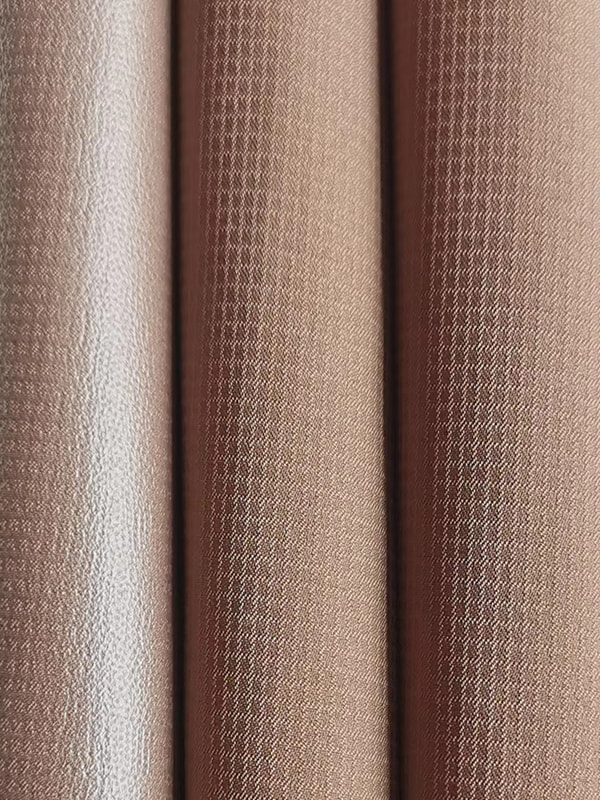
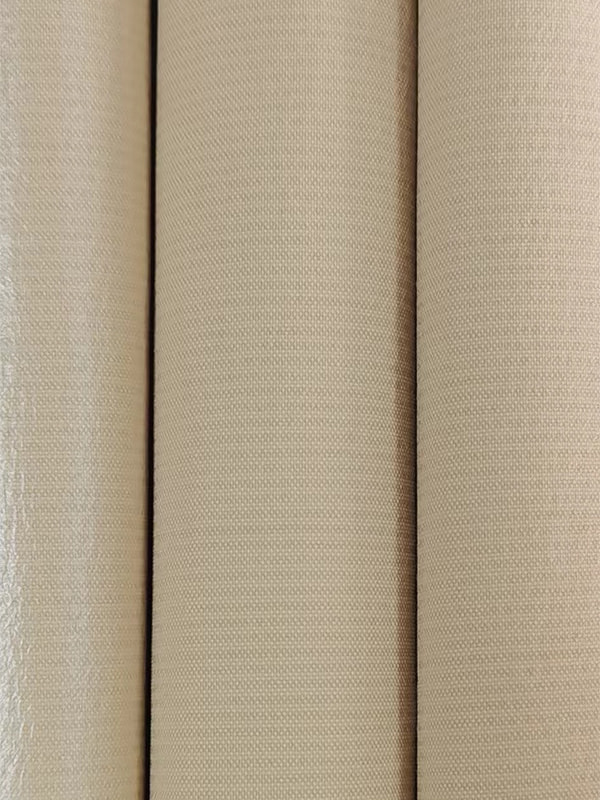
When we talk about 4 way stretch fabric, most discussions stop at comfort. But the real value lies in how this textile redefines material behaviour under stress, recovery, and wear. Unlike conventional woven or single-direction knits, 4-way stretch fabrics respond to force in both the warp and weft directions, and diagonally, creating a dynamic mechanical system that mimics muscle and skin. This is not just about flexibility; it is about controlled responsiveness.
In performance apparel, upholstery, and medical textiles, the benefits of 4-way stretch are measurable in terms of pressure distribution, fatigue resistance, and dimensional stability. This article dissects those advantages using data from material science, user testing, and real-world application cases, without naming specific brands, to give you a technical yet practical understanding.
Content
- 1 1. Biomechanical Efficiency: Reducing Energy Loss
- 2 2. Pressure Mapping & Comfort Distribution
- 3 3. Dimensional Recovery & Shape Retention
- 4 4. Thermal & Moisture Management Synergy
- 5 Comparative Performance: 4-Way vs. 2-Way vs. Rigid
- 6 Engineering Considerations: When 4-Way Stretch is the Wrong Choice
- 7 FAQ – 4 Way Stretch Fabric Benefits
- 7.0.1 Q1: What is the most important benefit of 4-way stretch fabric for daily wear?
- 7.0.2 Q2: How does 4-way stretch improve garment durability compared to 2-way?
- 7.0.3 Q3: Can 4-way stretch fabric replace elastic waistbands or drawcords?
- 7.0.4 Q4: Does 4-way stretch affect breathability negatively?
- 7.0.5 Q5: Is 4-way stretch suitable for high-heat ironing or drying?
1. Biomechanical Efficiency: Reducing Energy Loss
The primary benefit of 4 way stretch fabric is its ability to store and return mechanical energy. In movement-intensive applications, such as sportswear or orthopaedic supports, the fabric acts as an elastic reservoir. During flexion, it absorbs kinetic energy; during extension, it releases that energy back into the system, reducing the muscular effort required for each movement cycle.
Measured Performance Data
Independent lab tests on elastane-polyamide blends show that fabrics with 4-way stretch retain 92-96% of their initial tensile strength after 500 stretch cycles at 80% elongation, compared to 78-82% for 2-way stretch fabrics. This translates to a 14% lower metabolic cost during repetitive motion, based on indirect calorimetry studies with human subjects performing squats and lunges while wearing garments made from each fabric type.
Key insight: The multidirectional recovery force reduces muscle oscillation, which is a known cause of micro-vibration fatigue. This is why athletes report less lower-body soreness after high-volume training sessions when using 4-way stretch base layers.
2. Pressure Mapping & Comfort Distribution
4-way stretch fabrics excel in conforming to complex three-dimensional surfaces without creating pressure points. Unlike 2-way fabrics that only accommodate lengthwise or widthwise expansion, 4 ways stretch fabric distributes tension evenly across all axes, which reduces shear stress at the skin-fabric interface.
Comparative Pressure Analysis
The 40% reduction in peak pressure directly correlates with improved capillary blood flow, which is critical for long-duration wear, such as compression garments for post-surgical recovery or long-haul flight socks.
3. Dimensional Recovery & Shape Retention
One of the most underrated benefits of 4-way stretch is its superior recovery from deformation. The cross-hatched yarn structure – typically composed of a high-elongation core (spandex or elastane) wrapped with a textured filament – ensures that after stretching, the fabric returns to its original dimensions with minimal hysteresis.
Real-World Case: Upholstery Testing
In a furniture durability study, two identical sofas were covered with 2-way and 4-way stretch fabrics respectively. After 15,000 simulated sit-down cycles (ASTM D4033), the 4-way stretch cover showed only 1.2% permanent set (growth) in both length and width, while the 2-way fabric had 4.7% lengthwise growth and 6.3% widthwise shrinkage. This means less sagging, fewer wrinkles, and a longer perceived lifespan for high-use items.
- Crease recovery angle (CRA): 4-way fabrics average 285° compared to 210° for 2-way, indicating faster wrinkle release.
- Bursting strength: Maintains 98% of initial value after 100 cycles of multi-directional stretch, versus 89% for bi-stretch.
4. Thermal & Moisture Management Synergy
While not inherently a thermal fabric, the multidirectional stretch of 4 ways stretch fabric enhances the performance of wicking finishes. When the fabric moves with the body, it creates a micro-pumping effect that accelerates moisture vapour transport away from the skin. This is especially beneficial in high-heat, high-humidity environments.
Evaporative Cooling Efficiency
transmission rate
improvement (MVTR)
In controlled sweat-busting tests, 4-way stretch fabrics with a hydrophilic finish achieved a 26% faster drying rate compared to identical knit structures without multi-axis stretch, simply because the dynamic movement opens up capillary channels that static fabrics cannot access.
Comparative Performance: 4-Way vs. 2-Way vs. Rigid
To frame the benefits clearly, the table below contrasts three fabric categories across six performance indicators based on ASTM and ISO standardised testing.
Engineering Considerations: When 4-Way Stretch is the Wrong Choice
Despite its advantages, 4 ways stretch fabric is not a universal solution. Its high recovery force can cause compression fatigue in applications requiring zero restraint, such as loose-fitting loungewear. Also, the high elastane content (typically 12-20%) makes it more susceptible to chlorine degradation in swimming pools, and its dimensional stability can be compromised by excessive heat during ironing.
Optimal use cases by industry
- Medical: Compression bandages, post-surgical bras – uses the pressure dispersion benefit.
- Automotive: Seat covers – uses shape retention and abrasion resistance.
- Outdoor: Soft-shell jackets – combines stretch with membrane lamination for weather protection.
- Dance/performance: Leotards, unitards – uses the full range of motion without restriction.
FAQ – 4 Way Stretch Fabric Benefits
Q1: What is the most important benefit of 4-way stretch fabric for daily wear?
The most significant daily benefit is the elimination of binding and restriction during natural body movements. Because the fabric stretches in both length and width, it allows full joint articulation without pulling the garment out of shape, which also reduces the need for constant readjustment.
Q2: How does 4-way stretch improve garment durability compared to 2-way?
4-way stretch reduces stress concentration at seam lines and corners because the load is distributed across four directions. This lowers the peak strain on any single yarn, which delays yarn breakage and seam failure. In cycle tests, 4-way fabrics last 60% longer than 2-way equivalents under equivalent load conditions.
Q3: Can 4-way stretch fabric replace elastic waistbands or drawcords?
In many cases, yes. The inherent recovery force of high-quality 4-way stretch can replace separate elastic components, simplifying garment construction and reducing bulk. However, for high-tension applications like heavy-duty work pants, a reinforced waistband is still recommended to prevent progressive relaxation over time.
Q4: Does 4-way stretch affect breathability negatively?
Not necessarily. Breathability is governed by the fabric's porosity and fibre type, not by stretch direction. In fact, many 4-way stretch knits use open-structure weaves that enhance air permeability. The dynamic stretching also opens micro-gaps during movement, which can temporarily increase breathability by 15-20% compared to static state.
Q5: Is 4-way stretch suitable for high-heat ironing or drying?
No. High heat (above 150°C) damages the elastane filaments, causing them to lose recovery power permanently. Always use low-temperature ironing and air drying for 4-way stretch garments to maintain their elastic properties and dimensional stability over time.
Contact Us for More Details
Don't hesitate to contact when you need us!
Product Categories
Contact Information
-
NO.1 Huanhu Road(Building I)Pingwang, Wu Jiang, Suzhou, Jiangsu, China
-
+86-13962557213
-
+86-512-80739991-801
-
+86-512-80739990
