

 English
 中文简体
中文简体
Stretchable Fabric Names: Elastane, T400, T800, and 4-Way Stretch Guide
2026-09-04
When a garment spec sheet arrives with "elastane 8%" and another shows "spandex 8%", most sourcing teams assume two different fabrics. They are not. But when a third sheet says "T400 stretch", the comparison stops being simple. Stretchable fabric names are a mix of fiber chemistry, trade names, and construction descriptions. Knowing which part of the name describes the stretch mechanism, and which describes the fabric structure, is the difference between a smooth production run and a rejected delivery.
Content
- 1 Stretchable Fabric Names: Elastane, Spandex, and Lycra
- 2 Knit vs Woven: Construction Names Behind the Stretch
- 3 T400 and T800: Polyester Stretch Names That Outperform Spandex
- 4 Stretch Recovery Compared for Production Fabrics
- 5 Four-Way Stretch vs Two-Way Stretch: What the Name Tells You
- 6 Choosing Among Stretchable Fabric Names for Production
- 7 Frequently Asked Questions About Stretchable Fabric Names
Stretchable Fabric Names: Elastane, Spandex, and Lycra
The core rule of stretchable fabric names is this: elastane, spandex, and Lycra are different labels for the same polyurethane-based elastic fiber. Elastane is the generic name used in ISO 2076. Spandex is the common term in North America. Lycra is a registered brand name. The chemistry is identical, and in a finished fabric the physical performance is the same.
500%
Maximum elastane elongation
8%
Typical elastane content in knit
95%
Best-case recovery after 10 cycles
Why Name Confusion Creates Production Risk
Spec sheets written for US buyers use "spandex". Spec sheets from Korean and Chinese mills use "elastane". European buyers write "elastane". If a sourcing team treats these as different products, they chase price across different suppliers and end up with different fiber origins, different dye responses, and different shrinkage results in the finished garment.
Knit vs Woven: Construction Names Behind the Stretch
The second rule of stretchable fabric names is about construction. If the name includes "jersey", "rib", "interlock", or "ponte", the fabric is a knit and stretches because of its loop structure. If the name includes "twill", "plain weave", "oxford", or "military cloth", the fabric is a woven and its stretch must be engineered.
Jersey knits stretch naturally to 20 to 30 percent without any elastic fiber. Woven fabrics have almost no stretch unless they contain spandex, T400, T800, or a mechanical stretch construction. This is why a woven "2/1 twill stretch fabric" sounds like an oxymoron until you understand that the stretch is built into the yarn.
Knit Construction
- Stretch comes from loops in the fabric
- Typical names: jersey, rib, interlock, ponte de Roma
- Elongation: 20 to 30 percent
- Recovery is moderate
- Best for base layers and casual wear
Woven Construction
- Stretch comes from elastic fiber or high-twist yarn
- Typical names: 2/1 twill, plain weave, 2/2 twill, oxford
- Elongation: 10 to 25 percent
- Recovery is high when processed correctly
- Best for shells, trousers, and outerwear
T400 and T800: Polyester Stretch Names That Outperform Spandex
T400 and T800 are bicomponent polyester yarns developed for woven stretch applications. They solve two problems that spandex creates: spandex loses recovery in long-chain weaves, and spandex can break down during high-temperature dyeing. T400 works by pairing two polyester components with different shrinkages in one filament. This creates a helical crimp that gives the yarn stretch without an elastic core.
T800 is a later generation of the same idea. It delivers higher stretch recovery and pairs well with low-transparency TPU films for mountaineering and rain shells. The practical result is a stretchable fabric name that survives harsher processing and produces garments that feel stably elastic over time. For lightweight shell applications, the T400 stretch fabric class has become common because it processes like polyester while offering recovery close to spandex.
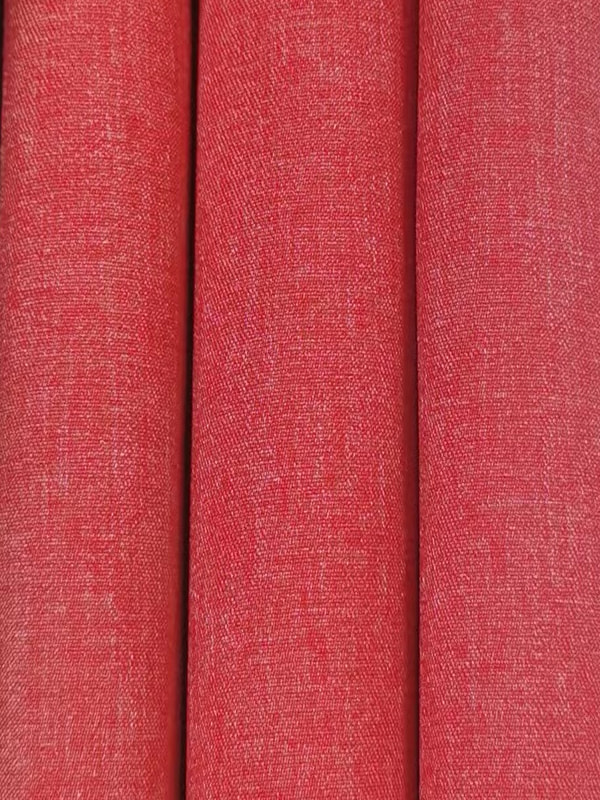 150D Cationic Polyester T400 Twill Stretch FabricThis cationic polyester twill T400 fabric offers stretch recovery close to spandex while processing like polyester, making it a practical choice for lightweight shell garments that need stable elasticity over time.View Product →
 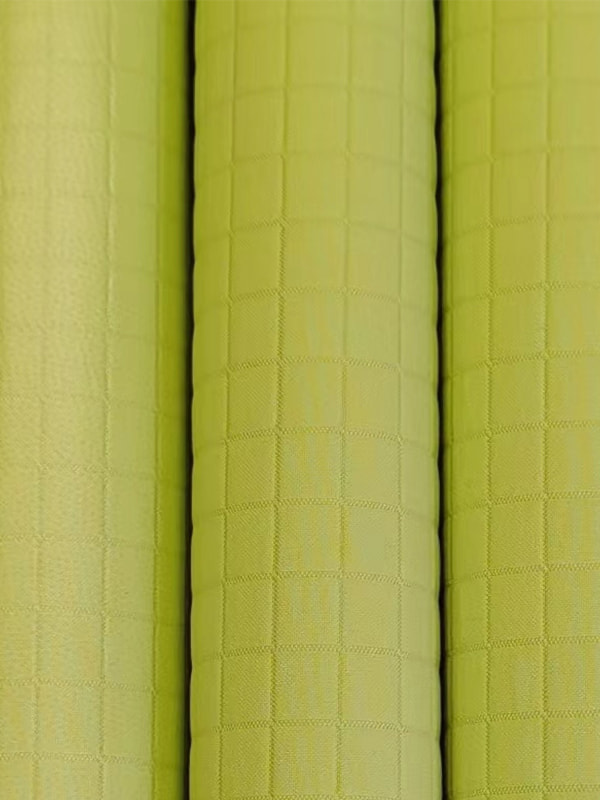 75D Dull T800 Stretch Fabric with Low Transparency TPUAs a later-generation stretch fabric, this double-layer construction with low-transparency TPU film delivers high recovery and suits harsh processing, ideal for mountaineering and rain shells requiring durable, stable elasticity.View Product →
Stretch Recovery Compared for Production Fabrics
The chart below shows typical first-cycle recovery values at 20 percent elongation for four stretchable fabric names used in apparel production. Higher recovery means the fabric returns closer to its original shape after being pulled.
First-cycle elastic recovery at 20 percent elongation. Source: internal lab trial data.
Four-Way Stretch vs Two-Way Stretch: What the Name Tells You
The stretch direction in a stretchable fabric name determines how the garment is graded. Two-way stretch means the fabric stretches in one direction only, either warp or weft. Four-way stretch means the fabric stretches in both warp and weft directions, allowing the garment to move with the body in multiple planes.
Four-way stretch fabric is the standard for yoga pants, sports bras, and activewear panels. It can be built with spandex or with a four-way mechanical construction. The mechanical approach matters when the garment needs stability after repeated washing and when spandex-free certification is part of the compliance requirement.
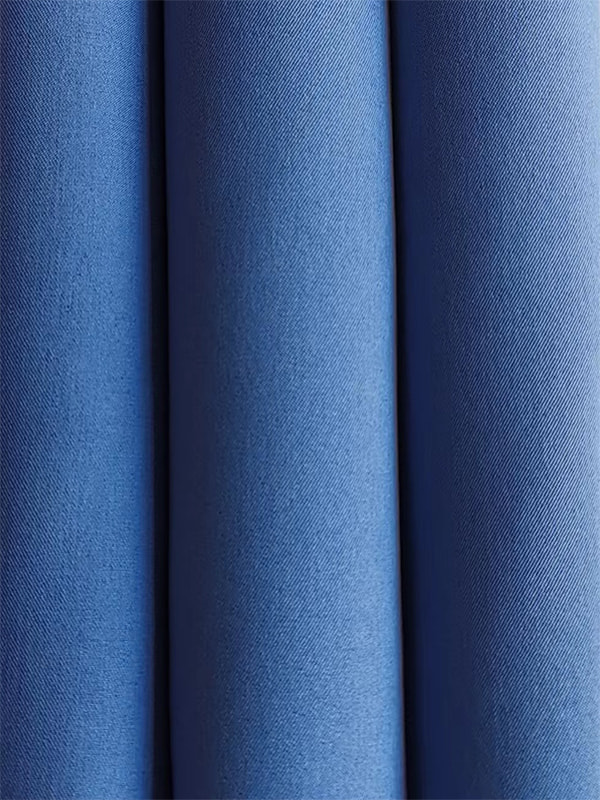 75D 2/1 Twill Four-Way Stretch Fabric with Cold SilkThis four-way stretch fabric with weft cold silk finish combines performance stretch with a woven drape, making it suitable for lightweight summer shirts that need base-layer flexibility and garment elegance.View Product →
For example, a 75D 2/1 twill four-way stretch fabric with a cold-silk finish gives a lightweight summer shirt the stretch of a performance base layer while keeping the drape of a woven garment.
Choosing Among Stretchable Fabric Names for Production
The final decision is about matching the stretchable fabric name to the garment requirement. If a product needs high recovery over many wash cycles, spandex-blend knits or T800 are the safe choices. If the product is a woven shell that must withstand high heat and mechanical stress, T400 or mechanical stretch wovens are better options.
| Fabric name | Stretch direction | Typical recovery | Standard applications | Sourcing risk |
| Elastane blend knit | 2-way or 4-way | 90 to 95 percent | Base layers, leggings | Gauge mismatch causes overstretch |
| T400 woven | 2-way or 4-way | 85 to 90 percent | Mountaineering shells, sportswear | Heat setting must be precise |
| T800 woven | 4-way | 88 to 92 percent | Outdoor rain shells, protective wear | Lamination quality is critical |
| Mechanical stretch woven | 2-way | 75 to 85 percent | Casual trousers, workwear | Recovery drops if yarn twist is inconsistent |
Four details to verify before you approve a stretchable fabric name
- Elongation percentage at the end of the documented wash cycle.
- Recovery percentage after 10 repeated stretch cycles.
- Stretch direction in both warp and weft.
- Whether elasticity comes from spandex, T400/T800, or mechanical construction.
A useful sourcing practice is to request wash-cycle performance data from the mill. If a stretchable fabric name reaches 85 percent recovery after 10 wash cycles, it will hold up in everyday consumer use. If recovery drops below 70 percent, the fabric is better suited to non-load-bearing design areas.
Frequently Asked Questions About Stretchable Fabric Names
Is elastane the same as spandex?
Yes. Elastane is the generic name used in ISO 2076. Spandex is the common term used in North America. Lycra is a registered brand name. The chemical composition is the same polyurethane-based fiber.
What does T400 mean in stretchable fabric names?
T400 is a bicomponent polyester yarn that delivers stretch without spandex. It pairs two polyester components with different shrinkages in one filament, creating a helical crimp that gives the fabric elasticity with strong recovery.
What is the difference between two-way and four-way stretch?
Two-way stretch means the fabric stretches in one direction only, either warp or weft. Four-way stretch means the fabric stretches in both warp and weft directions, allowing for multidirectional movement in the garment.
What is a mechanical stretch fabric?
A mechanical stretch fabric is a woven fabric whose elasticity comes from the yarn structure and weave, not from spandex. High-twist yarns are set during finishing to create stretch and recovery.
Contact Us for More Details
Don't hesitate to contact when you need us!
Product Categories
Contact Information
-
NO.1 Huanhu Road(Building I)Pingwang, Wu Jiang, Suzhou, Jiangsu, China
-
+86-13962557213
-
+86-512-80739991-801
-
+86-512-80739990
