
 English
 中文简体
中文简体
Cavalry Twill Fully Environmentally Friendly Mechanical Stretch Fabric: A Comprehensive Technical Guide for Modern Apparel Manufacturing
2026-07-05
In the rapidly evolving world of textile manufacturing, the selection of the right fabric is a critical decision that directly impacts garment quality, comfort, durability, and sustainability. Among the various types of woven textiles available, Cavalry Twill Fully Environmentally Friendly Mechanical Stretch Fabric has emerged as a preferred choice for designers and manufacturers seeking a material that combines classic aesthetics with modern performance and environmental responsibility. This advanced fabric builds upon the historic durability of traditional cavalry twill, which was originally developed for military riding trousers and breeches [citation:13][citation:14], by integrating mechanical stretch technology and sustainable production processes. This article provides a comprehensive technical analysis of Cavalry Twill Fully Environmentally Friendly Mechanical Stretch Fabric, exploring its weave structure, mechanical stretch mechanism, performance characteristics, and the critical factors that distinguish it from alternative textile solutions. For apparel manufacturers, fashion designers, and textile procurement specialists seeking to make informed decisions about advanced woven fabrics, understanding the nuances of this innovative material is essential for creating products that meet the demands of modern consumers.
Content
- 1 1. Understanding the Foundation: What Is Cavalry Twill Fabric?
- 2 2. Mechanical Stretch: The Technology Behind the Elasticity
- 3 3. Performance Characteristics and Applications
- 4 3. Comparative Analysis: Cavalry Twill Mechanical Stretch vs. Standard Stretch Fabrics
- 5 4. Environmental Sustainability and Manufacturing
- 6 5. Conclusion: The Value of Environmentally Friendly Mechanical Stretch Fabric in Modern Apparel
- 7 6. Frequently Asked Questions
- 7.1 Q1: What is the difference between mechanical stretch and spandex stretch?
- 7.2 Q2: What is cavalry twill and why is it durable?
- 7.3 Q3: What are the typical applications for this fabric?
- 7.4 Q4: How does the environmentally friendly aspect of this fabric work?
- 7.5 Q5: Is this fabric suitable for year-round wear?
- 8 7. References
1. Understanding the Foundation: What Is Cavalry Twill Fabric?
Before delving into the specific characteristics and applications of mechanically stretched cavalry twill, it is important to establish a clear understanding of what defines cavalry twill fabric. Cavalry twill is a distinctive woven textile characterized by a steep double twill weave, which creates a strong diagonal ribbing effect on the fabric surface. Unlike standard twill weaves that feature a single diagonal line, cavalry twill is defined by two parallel twill lines running down the face of the cloth [citation:13][citation:14].
The weave structure of cavalry twill is engineered for exceptional durability and shape retention. To create a steep twill line, more warp ends are used relative to the weft yarns [citation:13]. This construction makes cavalry twill more robust than other wool twills such as gabardine or serge. Historically, this strength made it the fabric of choice for military riding trousers and breeches, hence the name "cavalry" twill [citation:14][citation:15].
Compared to traditional wool fabrics like flannel, cavalry twill offers superior durability and shape retention. While flannel provides a softer, brushed surface, cavalry twill's tight weave and firm hand make it excellent for holding a crease and resisting bagging [citation:13][citation:15]. This structural integrity, combined with its clean, tailored appearance, positions cavalry twill as a versatile option for applications ranging from classic trousers to modern outerwear.
2. Mechanical Stretch: The Technology Behind the Elasticity
The defining characteristic of modern cavalry twill is its integration of mechanical stretch technology. This innovative approach provides fabric elasticity without relying on elastomeric fibers such as spandex or elastane [citation:9]. Understanding the distinction between mechanical and inherent stretch is essential for appreciating the value of this fabric.
2.1 Mechanical vs. Inherent Stretch
Inherent stretch is achieved by incorporating elastic fibers into the fabric blend. Elastane, also known as spandex or Lycra, is a prime example of this approach, capable of stretching up to 500% of its original length and providing excellent recovery [citation:9][citation:10]. While effective for high-performance sportswear and form-fitting garments, fabrics with high percentages of elastic fibers can have limitations, such as reduced color fastness, lower washing temperature tolerance, and potential embrittlement over time [citation:11][citation:12].
Mechanical stretch, in contrast, relies on the structural design of the yarns and the weaving process to create elasticity [citation:9][citation:10]. The fabric is woven at a higher tension and a slightly higher tolerance in width. During the finishing stage, the fabric relaxes back to its original width, creating a degree of natural elasticity in that direction, known as a 2-way mechanical stretch [citation:12]. This approach results in a stretch property that offers several important advantages: the fabric can withstand higher washing and drying temperatures, exhibits high color fastness, and maintains excellent abrasion resistance [citation:12].
2.2 The Mechanical Stretch Mechanism in Cavalry Twill
In the context of cavalry twill, mechanical stretch is achieved through a combination of high-tension weaving and subsequent thermal setting. The process involves controlling the tension during weaving and applying heat in the finishing stages to "set" the fabric in a stretched state. When the fabric is worn, the weave opens slightly to provide flexibility and comfort, then returns to its original shape when tension is released [citation:11]. This mechanism, sometimes called a "tension relaxation" stretch, is particularly effective for woven fabrics intended for tailored garments like suit trousers, as it provides movement without sacrificing the garment's structure or causing unsightly bagging at the knees and elbows [citation:4][citation:11].
3. Performance Characteristics and Applications
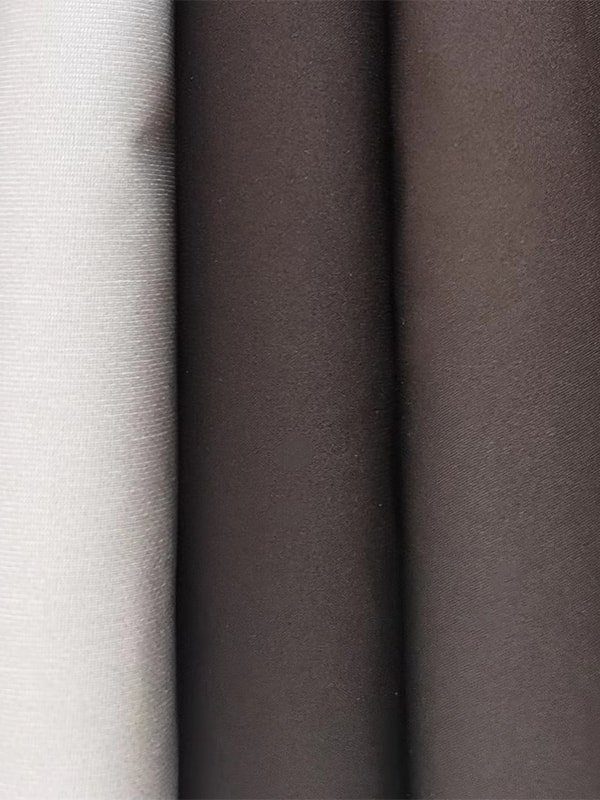
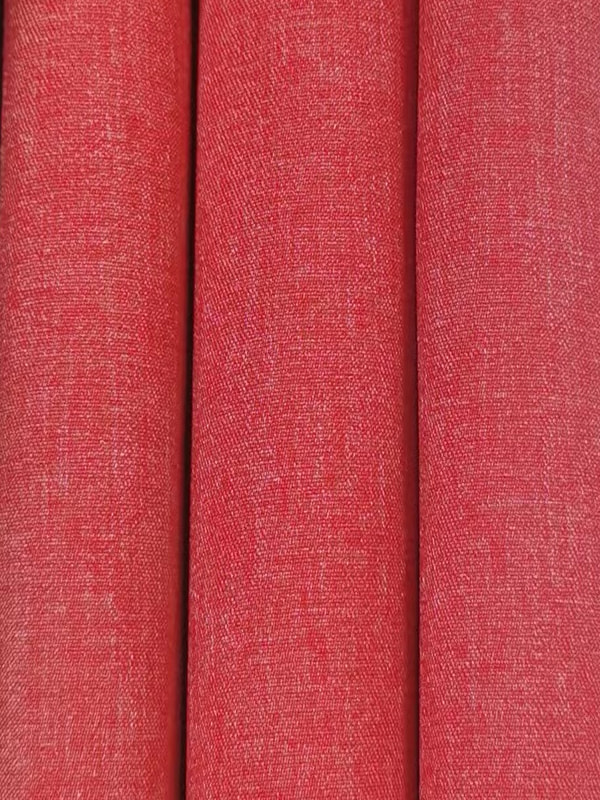
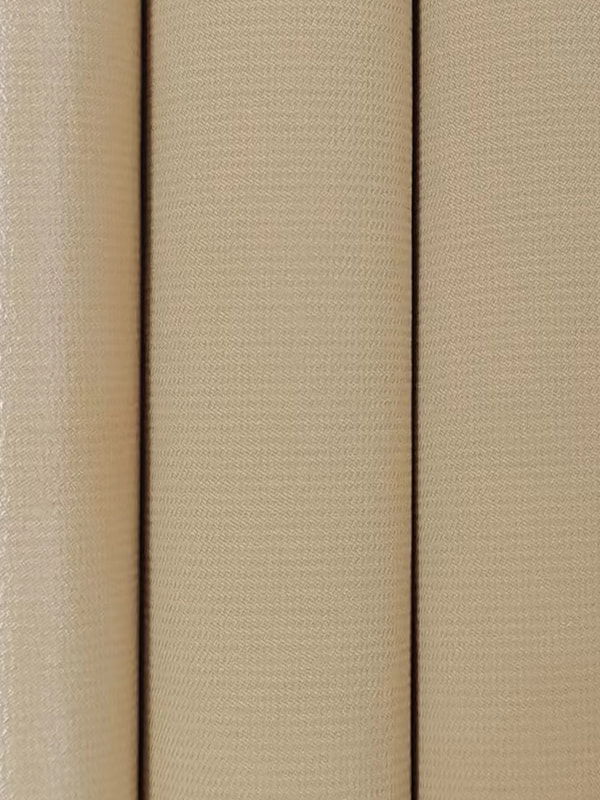
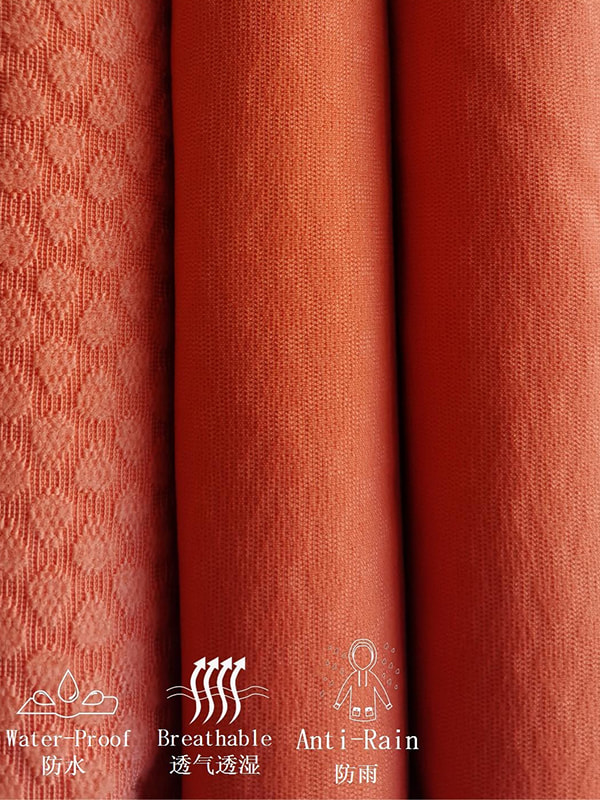
Cavalry twill fully environmentally friendly mechanical stretch fabric offers a range of performance characteristics that make it suitable for a wide variety of apparel applications.
3.1 Durability and Shape Retention
The double twill weave provides excellent abrasion resistance and tear strength, making the fabric suitable for garments that undergo regular wear. The mechanical stretch property ensures that the fabric maintains its shape, preventing the bagging that is common with many woven fabrics [citation:13][citation:15]. This combination of durability and resilience makes it ideal for trousers, workwear, uniforms, and casual jackets.
3.2 Comfort and Freedom of Movement
The mechanical stretch provides a natural give that enhances the wearer's freedom of movement. This is particularly beneficial for fitted garments such as suit trousers, work pants, and outerwear. The stretch allows the fabric to accommodate the body's movements without pulling, gapping, or becoming restrictive [citation:9][citation:10].
3.3 Aesthetic and Texture
Cavalry twill offers a sophisticated aesthetic due to its distinctive double rib texture. This texture provides a subtle visual depth that adds character to garments while maintaining a clean, tailored appearance [citation:13][citation:15]. The fabric typically has a subtle sheen, though less glossy than gabardine, making it versatile for both formal and casual styling [citation:13].
3. Comparative Analysis: Cavalry Twill Mechanical Stretch vs. Standard Stretch Fabrics
While all stretch fabrics serve the fundamental purpose of providing comfort and freedom of movement, the distinct design features of cavalry twill mechanical stretch result in significant differences in performance, sustainability, and suitability for various applications. The following table provides a direct comparison to guide apparel manufacturers, designers, and procurement specialists in selecting the appropriate fabric for their specific needs.
| Feature | Cavalry Twill Mechanical Stretch | Spandex/Elastane Stretch Fabric |
|---|---|---|
| Stretch Mechanism | Mechanical through weaving/finishing [citation:9][citation:12] | Inherent stretch from elastic fibers [citation:9][citation:10] |
| Stretch Capacity | Bi-directional (2-way) in the weft direction [citation:12] | Up to 500% in multiple directions (4-way) [citation:10] |
| Fabric Composition | Can use 100% polyester or natural fiber blends [citation:1][citation:5] | Requires elastane content (e.g., 88% Polyester / 12% Spandex) [citation:1] |
| Durability | High abrasion resistance, shape retention, no bagging [citation:13][citation:15] | Can degrade over time, may lose recovery [citation:11] |
| Care | Can withstand higher wash/dry temperatures [citation:12] | May require low temperatures, careful drying [citation:1] |
| Color Fastness | High, due to absence of elastic fibers [citation:12] | Can vary, may be affected by spandex [citation:12] |
| Sustainability | Eco-friendly, can be made fully recyclable [citation:5][citation:7] | Spandex can complicate recycling [citation:5] |
| Ideal Applications | Tailored trousers, workwear, uniforms, outerwear, classic garments [citation:1][citation:13] | Athletic wear, swimwear, leggings, form-fitting garments [citation:10] |
The choice between cavalry twill mechanical stretch and standard spandex stretch fabrics ultimately depends on the specific requirements of the application. If the primary need is for a durable, shape-retaining fabric that offers comfort and classic style while maintaining high recyclability and sustainability standards, cavalry twill mechanical stretch is the ideal choice. For applications requiring maximum stretch and recovery for high-performance athletic wear, spandex-based fabrics may be preferred.
4. Environmental Sustainability and Manufacturing
A key advantage of the "fully environmentally friendly" cavalry twill mechanical stretch fabric is its alignment with modern sustainability goals. The absence of spandex means that the fabric can be manufactured using fully recyclable materials, such as 100% polyester, or blends of natural fibers that are easier to recycle than synthetic-elastic hybrids [citation:5][citation:7].
Manufacturers producing this fabric often integrate advanced production processes across spinning, texturing, weaving, and finishing to ensure quality and reduce environmental impact. The production typically occurs in mills that adhere to international quality standards and maintain large-scale operations with annual outputs reaching tens of millions of meters [citation:2].
5. Conclusion: The Value of Environmentally Friendly Mechanical Stretch Fabric in Modern Apparel
Cavalry twill fully environmentally friendly mechanical stretch fabric represents a significant advancement in textile technology, delivering the classic durability and aesthetic of cavalry twill with modern comfort and environmental responsibility. The combination of mechanical stretch, sustainable materials, and high-performance characteristics makes this fabric an ideal choice for a wide range of apparel applications, from tailored trousers and workwear to uniforms and outerwear.
For apparel manufacturers, designers, and procurement specialists, understanding the unique advantages and specifications of this fabric is essential for informed material selection. By choosing high-quality fabrics from reputable manufacturers, businesses can ensure the quality, comfort, and sustainability of their products while meeting the evolving demands of the modern market.
6. Frequently Asked Questions
Q1: What is the difference between mechanical stretch and spandex stretch?
Mechanical stretch relies on weaving techniques and fabric finishing to create elasticity. Spandex stretch uses elastic fibers woven into the blend. Mechanical stretch fabrics often have better durability, color fastness, and sustainability characteristics [citation:9][citation:12].
Q2: What is cavalry twill and why is it durable?
Cavalry twill is a strong fabric with a double diagonal rib weave. Its durability comes from the steep twill angle achieved by using more warp yarns than weft, and its tight construction makes it resistant to abrasion and bagging [citation:13][citation:14].
Q3: What are the typical applications for this fabric?
This fabric is commonly used for trousers, workwear, uniforms, jackets, and other garments requiring both durability and comfort. Its classic aesthetic makes it suitable for tailored and casual styles alike [citation:1][citation:13][citation:15].
Q4: How does the environmentally friendly aspect of this fabric work?
The fabric is considered environmentally friendly because it can be manufactured without spandex, making it fully recyclable. It can be made from 100% polyester or other fibers that are easier to recycle than blended fabrics containing elastane [citation:5][citation:7].
Q5: Is this fabric suitable for year-round wear?
Yes, depending on the weight. Mid-weight versions can provide warmth and structure for cooler months, while lighter weights are comfortable for transitional seasons. Its wrinkle resistance and shape retention make it practical for daily use [citation:13][citation:15].
7. References
1. Textile Details. (2025). 88% Polyester / 12% Spandex Cavalry Twill Fabric. Product Specification. [citation:1]
2. Redcolor Textile. (2026). Cavalry Twill Fully Environmentally Friendly Mechanical Stretch Fabric Product Overview. Redcolor Product Catalog. [citation:2]
3. Minerva. (2022). Wool Cavalry Twill Review. Minerva Crafts. [citation:4]
4. Shanghai Jason Textile. (2026). Poly Rayon Wool Tencel Acetate Stretch Cavalry Twill Fabric. Product Catalog. [citation:5]
5. PERFORMANCE DAYS. (2026). FY20168-6 T8 Demin Cavalry Twill Fabric for Jacket. Marketplace Product Detail. [citation:7]
6. 1620 Workwear. (2024). Stretch it Out: What You Need to Know About Stretch Fabrics in Workwear. The Bartack Blueprint. [citation:9]
7. Spandex Palace. (2023). Unraveling the Differences: Stretch Spandex Fabric vs. Mechanical Stretch Fabric. [citation:10]
8. Kanai, H., Ogawa, K., Sasagawa, T., & Shibata, K. (2021). Influence of the mechanical stretch property of fabrics on the wear comfort of men’s suit pants. Textile Research Journal, 91(23-24), 2771-2785. [citation:11]
9. SYNQ Workwear. (2024). Stretch Fabrics Explained. [citation:12]
10. Permanent Style. (2017). Cavalry Twill for Trousers. [citation:13]
11. William Halstead. (2024). Spotlighting Snowdonia. [citation:14]
12. Cordings. (2026). Men's Cavalry Trousers. Product Catalog. [citation:15]
Contact Us for More Details
Don't hesitate to contact when you need us!
Product Categories
Contact Information
-
NO.1 Huanhu Road(Building I)Pingwang, Wu Jiang, Suzhou, Jiangsu, China
-
+86-13962557213
-
+86-512-80739991-801
-
+86-512-80739990
