

 English
 中文简体
中文简体
Is 3D Jacquard Fabric the Future of Technical Textiles?
2026-04-22
3D jacquard fabric represents a significant advancement in textile engineering, combining traditional jacquard weaving principles with three-dimensional structural capabilities. This fabric category creates raised patterns and spacer structures through specialized loom technology, delivering functional benefits that flat textiles cannot achieve. Understanding the technical specifications and manufacturing processes helps procurement professionals evaluate sourcing options for automotive, aerospace, and industrial applications.
Content
- 1 What Defines 3D Jacquard Fabric?
- 2 Five Critical Specifications for Industrial Buyers
- 3 Manufacturing Technology Comparison
- 4 Industrial Applications and Performance Requirements
- 5 Procurement Considerations
- 6 Frequently Asked Questions
- 6.0.1 What distinguishes 3D jacquard fabric from traditional jacquard?
- 6.0.2 What denier and yarn specifications are standard for industrial 3D jacquard?
- 6.0.3 How does 3D spacer fabric compare to foam laminates for automotive seating?
- 6.0.4 What testing standards apply to 3D jacquard fabric for commercial use?
What Defines 3D Jacquard Fabric?
Traditional jacquard weaving controls individual warp threads to create intricate patterns. Three-dimensional jacquard technology extends this capability by manipulating yarn paths to create thickness, texture, and hollow structures within the fabric itself. The electronic jacquard mechanism enables individual thread control without harness limitations, allowing complex spatial configurations.
The manufacturing process requires modified electronic jacquard looms with specialized shedding mechanisms. Ground warp yarns interlace with weft threads on upper and lower surfaces, while longitudinal warp yarns connect these layers to create spacer distances ranging from 2 mm to 16 mm. This construction produces fabrics with distinct top and bottom faces separated by a connecting layer.
Five Critical Specifications for Industrial Buyers
1. Spacer Distance and Structural Geometry
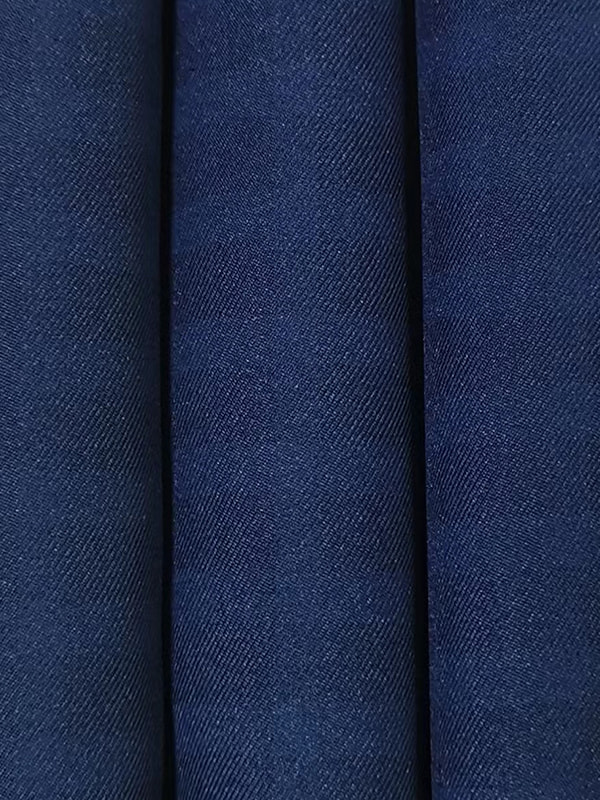
Spacer distance determines compression resistance and thermal insulation properties. Common specifications range from 2 mm for flexible apparel applications to 16 mm for rigid industrial panels. 3D spacer jacquard fabric with 5 mm spacing offers optimal balance between structural integrity and weight reduction for automotive seating and building insulation .
2. Yarn Specifications and Material Composition
Standard industrial grades utilize polyester yarns with linear densities around 28 tex for both warp and weft systems. Warp density typically measures 22 threads per centimeter, while weft density reaches 24 threads per centimeter. 3D warp knitting jacquard polyester variants provide superior elasticity compared to woven constructions, making them suitable for sport shoe uppers and ergonomic seating applications.
3. Mechanical Performance Characteristics
Tensile strength varies significantly based on construction and composite treatments. Base 3D spacer jacquard fabric achieves warp breaking strength of approximately 160 N and weft breaking strength of 226 N .When combined with polyurethane foam and silica aerogel composites, breaking strength increases by over 200%, though elongation decreases by approximately 29% .
. Thermal Insulation Properties
The hollow spacer structure creates natural air pockets that inhibit heat transfer. Research demonstrates that composite treatments with 3.3% silica aerogel content deliver optimal thermal insulation performance . 3 jacquard fabric for automotive upholstery applications leverages these properties for climate-controlled seating systems and interior panels.
5. Production Capacity and Technical Constraints
Jacquard looms operate at reduced speeds compared to standard weaving equipment due to complex individual thread manipulation . Rachel warp knitting machines for spacer fabrics achieve maximum speeds of 650 rpm with working widths of 90 to 138 inches. 3D jacquard fabric wholesale procurement requires understanding these production limitations when planning inventory and lead times.
Manufacturing Technology Comparison
Different loom technologies produce distinct 3D fabric characteristics. The following comparison outlines key differences between primary manufacturing methods:
| Technology | Woven Jacquard | Warp Knitted Raschel | Weft Knitted |
| Spacer Range | 2–10 mm | 2–16 mm | 1–5 mm |
| Production Speed | Moderate | Up to 650 rpm | High |
| Structural Rigidity | High | Medium-High | Low-Medium |
| Pattern Complexity | Very High | High | Medium |
| Primary Applications | Industrial panels, insulation | Shoe uppers, automotive | Apparel, soft goods |
Woven jacquard systems excel in applications requiring maximum structural integrity and complex surface patterns. Warp-knitted Raschel machines dominate the footwear and automotive sectors due to production efficiency and consistent spacer geometry.
Industrial Applications and Performance Requirements
Automotive Interior Systems
Vehicle manufacturers utilize 3D jacquard fabric for automotive upholstery in seats, door panels, and headliners. The fabric meets flame-retardant and abrasion-resistant specifications required for EV and mass transit applications. UV resistance prevents fading in high-exposure environments, while the three-dimensional structure improves ventilation and comfort.
Thermal Insulation and Building Materials
Composite 3D spacer fabrics with aerogel filling achieve thermal conductivity values significantly lower than traditional insulation materials. The fabric skeleton prevents powder loss from brittle aerogel components while maintaining flexibility. Building applications include curtain walls, roofing systems, and HVAC duct insulation.
Sporting Goods and Footwear
3D wawarp-knitacquard polyester mesh fabrics provide breathability and structural support for athletic shoe uppers. The three-dimensional structure creates air channels that enhance moisture management during physical activity. Jacquard patterning enables brand differentiation without additional printing processes.
Technical Composites and Aerospace
Resin transfer molding utilizes 3D woven preforms as reinforcement structures. The through-thickness yarns improve impact resistance and delamination strength compared to two-dimensional laminates. Aerospace applications include interior panels, seat components, and cargo containment systems.
Procurement Considerations
Quality verification for 3D jacquard fabric wholesale orders requires specific testing protocols. Evaluate spacer distance consistency across roll widths using cross-sectional imaging. Test composite adhesion strength when fabrics include foam or aerogel treatments. Verify flame resistance ratings through certified laboratory testing for automotive and building applications.
Minimum order quantities typically range from 500 to 2,000 meters for standard specifications. Custom pattern development requires additional lead time for loom programming and sample approval. Digital jacquard technology enables rapid pattern changes without mechanical modifications, supporting smaller batch production than traditional systems.
Frequently Asked Questions
What distinguishes 3D jacquard fabric from traditional jacquard?
Traditional jacquard creates flat patterned surfaces through interlacing warp and weft yarns. 3D jacquard adds a thickness dimension by connecting separate face and back layers with longitudinal yarns, creating spacer structures. This construction provides compression resistance, thermal insulation, and airflow management that flat fabrics cannot achieve.
What denier and yarn specifications are standard for industrial 3D jacquard?
Industrial applications commonly use polyester yarns with 28 tex linear density (approximately 250 denier). Warp density ranges from 20 to 25 threads per centimeter, while weft density varies from 22 to 28 threads per centimeter, depending on structural requirements. Higher denier yarns increase abrasion resistance but reduce surface detail capability.
How does 3D spacer fabric compare to foam laminates for automotive seating?
3D spacer jacquard provides superior breathability and moisture management compared to foam laminates. The open structure allows air circulation while maintaining structural support. Foam composites offer higher thermal insulation values but add significant weight. Many automotive applications use hybrid constructions combining both technologies.
What testing standards apply to 3D jacquard fabric for commercial use?
Automotive applications require testing to FMVSS 302 for flammability and ASTM D4157 for abrasion resistance. Building insulation applications reference ASTM C518 for thermal conductivity. General textile evaluation includes ASTM D5034 for breaking strength and ASTM D2261 for tear resistance. Always specify required certifications when requesting quotations.
Contact Us for More Details
Don't hesitate to contact when you need us!

Product Categories
Contact Information
-
NO.1 Huanhu Road(Building I)Pingwang, Wu Jiang, Suzhou, Jiangsu, China
-
+86-13962557213
-
+86-512-80739991-801
-
+86-512-80739990
