
 English
 中文简体
中文简体
Why Choose Orange Stretch Fabric for Performance and Fashion?
2026-04-15
Content
Introduction to Orange Stretch Fabric
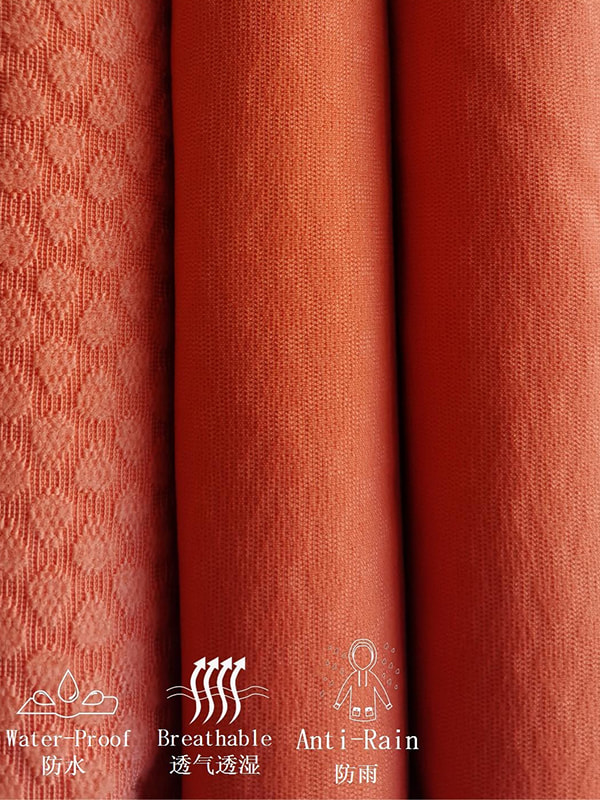
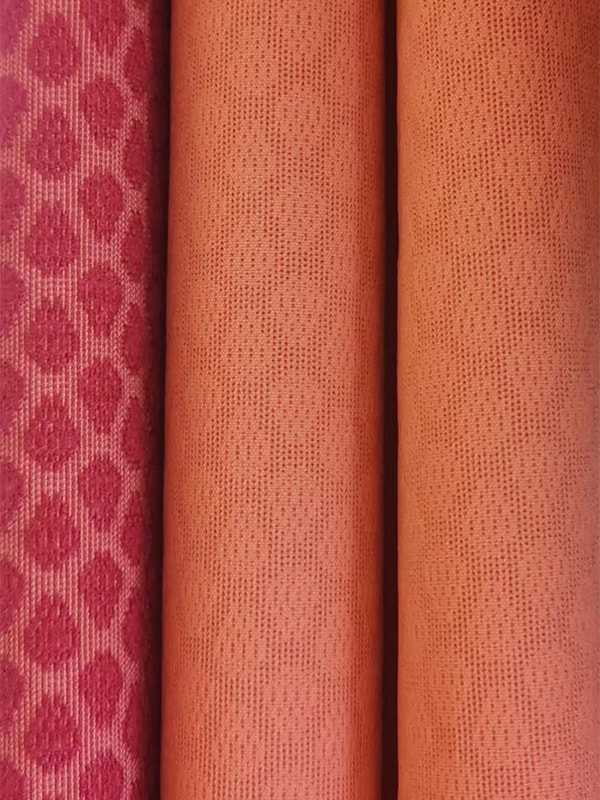
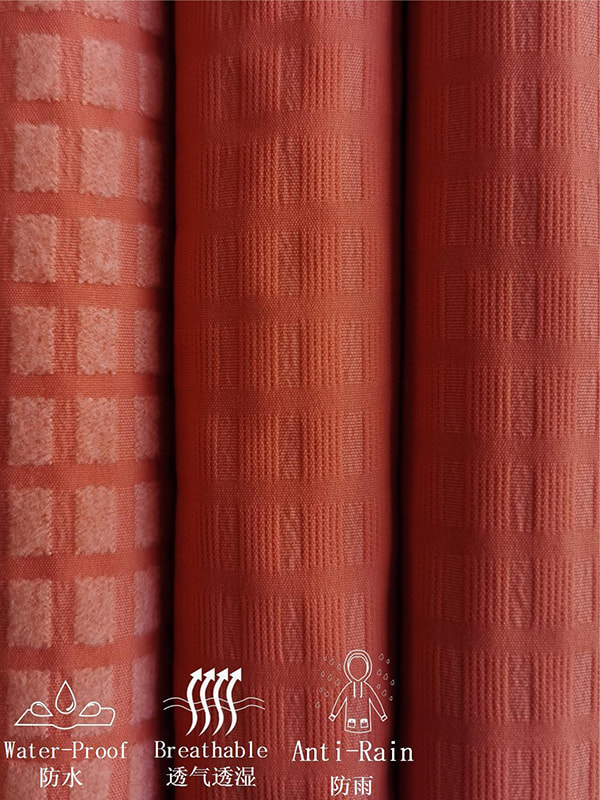
Orange stretch fabric is a versatile material made with fibers that provide elasticity and recovery. It can be composed of spandex, Lycra, polyester blends, or knitted fabrics that offer flexibility and comfort. Manufacturers and designers favor it for its ability to adapt to movement while maintaining shape.
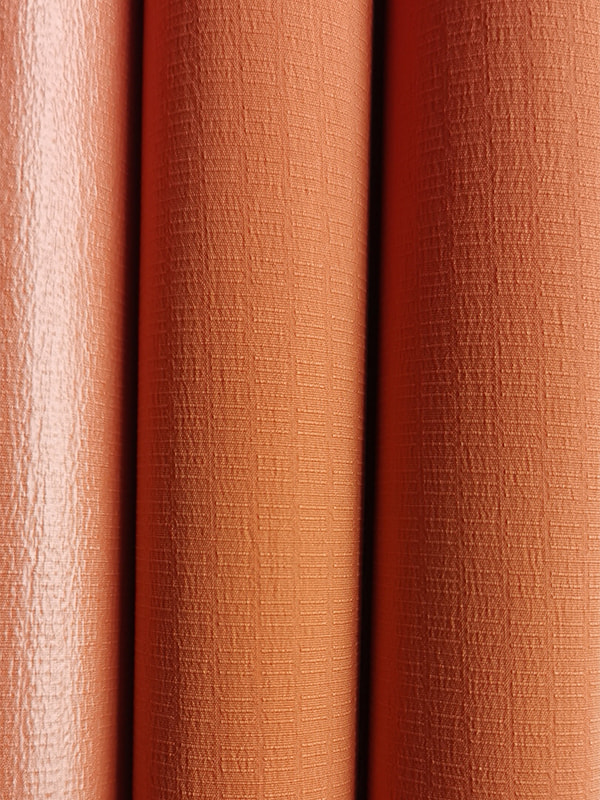
The fabric is widely used in performance clothing, dance costumes, and casual wear. Its bright orange hue also makes it a popular choice for eye-catching designs and high-visibility garments.
Types of Orange Stretch Fabric
Spandex and Lycra Blends
Spandex-based fabrics provide excellent stretch ratios, typically 4–7 times their original length. These fabrics are highly resilient, allowing repeated stretching without permanent deformation. B2B buyers often choose orange spandex fabric wholesale for sportswear and performance apparel production.
Stretch Jersey Fabrics
Stretch jersey fabrics combine cotton or polyester with elastane to offer a soft hand feel and moderate stretch. They are ideal for casual wear and dance costumes where comfort and breathability are required. Many suppliers offer orange stretch jersey fabric in bulk for mass production.
Knitted vs Woven Variants
Knitted fabrics have natural stretch due to looped yarn structures, while woven fabrics incorporate elastane fibers to provide limited elasticity. Knitted fabrics are preferred for garments that require high flexibility, while woven types are used for structured designs.
Comparison Table: Stretch Fabric Types
The table below summarizes the key properties of common orange stretch fabric types:
| Fabric Type | Stretch Ratio | Durability | Cost | Hand Feel |
| Spandex/Lycra | 4–7x | High | High | Smooth, sleek |
| Stretch Jersey | 2–3x | Moderate | Moderate | Soft, breathable |
| Knitted Elastane | 3–5x | High | Moderate | Flexible, slightly textured |
| Woven Elastane | 1.5–2x | High | Moderate | Structured, firm |
Applications of Orange Stretch Fabric
Orange Stretch Fabric for Sportswear
Sportswear requires fabrics that move with the body, wick moisture, and maintain shape. Orange stretch fabric for sportswear provides these benefits, offering both high visibility and performance features for professional and recreational athletes.
Orange Stretch Fabric for Dance Costumes
Dance costumes demand fabrics that allow extreme flexibility without restricting movement. Orange stretch fabric for dance costumes is lightweight, elastic, and resilient, making it perfect for ballet, gymnastics, and stage performances.
Everyday and Casual Clothing
Stretch fabrics are also used in casual apparel, leggings, and activewear. The soft feel and moderate elasticity of stretch jersey fabrics make them suitable for daily comfort while retaining vibrant orange color.
Comparison Table: Applications and Recommended Fabric Types
The following table outlines applications and recommended orange stretch fabric types:
| Application | Recommended Fabric Type | Performance Benefits |
| Sportswear | Spandex/Lycra | High elasticity, shape retention, and moisture management |
| Dance Costumes | Knitted Elastane | Flexible, durable, lightweight |
| Casual Wear | Stretch Jersey | Soft, comfortable, breathable |
| Structured Garments | Woven Elastane | Firm support, high durability |
Sourcing and Bulk Purchase of Orange Stretch Fabric
Orange Spandex Fabric Wholesale
B2B buyers sourcing orange spandex fabric wholesale should evaluate fiber composition, stretch ratio, and dye fastness. High-quality spandex fabrics maintain elasticity after repeated washing and wear, essential for sportswear production.
Orange Elastic Fabric Bulk
Bulk procurement of orange elastic fabric ensures cost efficiency for manufacturers producing dancewear, costumes, or activewear. Check for consistent color, uniform elasticity, and smooth finish across rolls.
Other critical considerations for B2B purchases include fabric width, thickness, tensile strength, and shrinkage rate. Suppliers often provide technical data sheets to facilitate quality control during bulk orders.
Technical Properties and Quality Control
- Stretch ratio: Determines fabric elasticity and recovery for high-movement applications.
- Fabric weight: Heavier fabrics provide structure; lighter fabrics enhance comfort and drape.
- Tensile strength: High tensile strength ensures durability in sportswear and performance costumes.
- Care recommendations: Machine wash cold for polyester blends, avoid high heat to prevent fiber damage.
- Color fastness: Ensure vibrant orange maintains integrity under washing and UV exposure.
Conclusion
Orange stretch fabric offers versatility for sportswear, dance costumes, casual clothing, and structured garments. Understanding the properties, types, and sourcing options allows B2B buyers and designers to select the best material for performance, aesthetics, and durability. Bulk procurement and technical evaluation ensure consistency and high-quality results in manufacturing.
FAQ
- Q1: What makes orange stretch fabric ideal for sportswear?
A: Its high elasticity, shape retention, and moisture-wicking capabilities make orange stretch fabric for sportswear suitable for high-performance activities. - Q2: How do I choose between spandex and jersey orange stretch fabric?
A: Spandex provides maximum elasticity and durability, ideal for professional sports or dance costumes. Stretch jersey offers moderate stretch and comfort for casual wear. - Q3: Can orange stretch fabric be purchased in bulk for manufacturing?
A: Yes, suppliers provide orange spandex fabric wholesale and orange elastic fabric bulk for B2B production, ensuring consistency and cost efficiency. - Q4: What technical properties should I verify when sourcing orange stretch fabric?
A: Verify fiber composition, stretch ratio, tensile strength, fabric weight, and color fastness to guarantee performance and durability.
References
- Kadolph, S. (2022). Textiles. Pearson Education.
- Glock, R. (2020). Textiles for Fashion: The Complete Guide. Bloomsbury Publishing.
- Corbman, B. (2021). Textiles: Fiber to Fabric. McGraw-Hill Education.
- Mahajan, P. (2019). Advanced Fabric Technology. Elsevier Science.
- Textile Institute. (2021). Handbook of Fabric Structures: Volume 2. Woodhead Publishing.
Contact Us for More Details
Don't hesitate to contact when you need us!
Product Categories
Contact Information
-
NO.1 Huanhu Road(Building I)Pingwang, Wu Jiang, Suzhou, Jiangsu, China
-
+86-13962557213
-
+86-512-80739991-801
-
+86-512-80739990
