

 English
 中文简体
中文简体
Mechanical Stretch vs. Spandex Blend: Polyester Outlasts Elastane in Industrial Wash
2026-09-17
When a garment is expected to survive years of industrial laundering, the choice of stretch technology is as important as the outer fabric. Spandex-blend woven fabrics can feel soft and flexible at the sample stage, but after repeated high-temperature washing, many of them lose the recovery that made them comfortable. Polyester mechanical stretch is a serious alternative because the elasticity is not a separate filament that can break down; it is engineered into the polyester yarn itself.
Industrial washing is a much harsher test than a normal home wash. Work uniforms, hotel linens, medical garments, and outdoor workwear are exposed to strong alkali, chlorine bleach, heavy mechanical action, and drying temperatures that would quickly age spandex. In this article, we compare mechanical stretch fabric technology with spandex blends and explain why polyester mechanical stretch outlasts elastane in industrial washing.
No Elastane Wash-Durable
Content
What Is Polyester Mechanical Stretch?
Polyester mechanical stretch refers to woven fabrics that obtain stretch from textured or crimped polyester yarns, special weave geometries, or bicomponent polyester yarns such as T400. During texturing, heat and false-twist create a coil-like or crimped configuration in the filaments. When the yarn is woven and heat-set, the fabric can extend a little under tension and pull back once the stress is released.
Because the stretch source is thermoplastic polyester rather than a polyurethane elastane core, the fabric has a different set of wash characteristics. Polyester is hydrophobic and resistant to alkali and chlorine at the concentrations usually used in commercial laundry. There is no elastane filament that can hydrolyze, turn yellow, or separate from the polyester covering after repeated cycles.
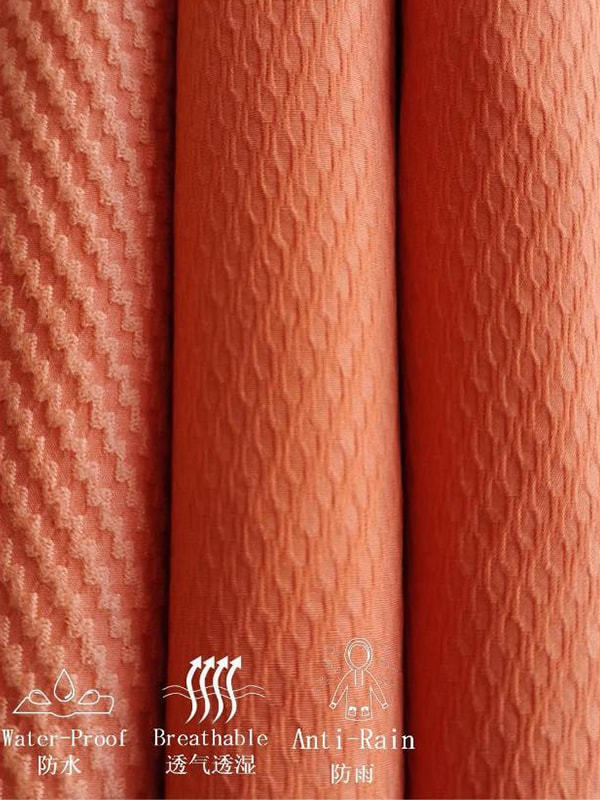
Redcolor's 75D weft mechanically elastic fabric is an example of this construction. It is a lighter, environmentally friendly mechanical stretch option that can be used for shirts, light jackets, and uniform programs that need stable comfort stretch.
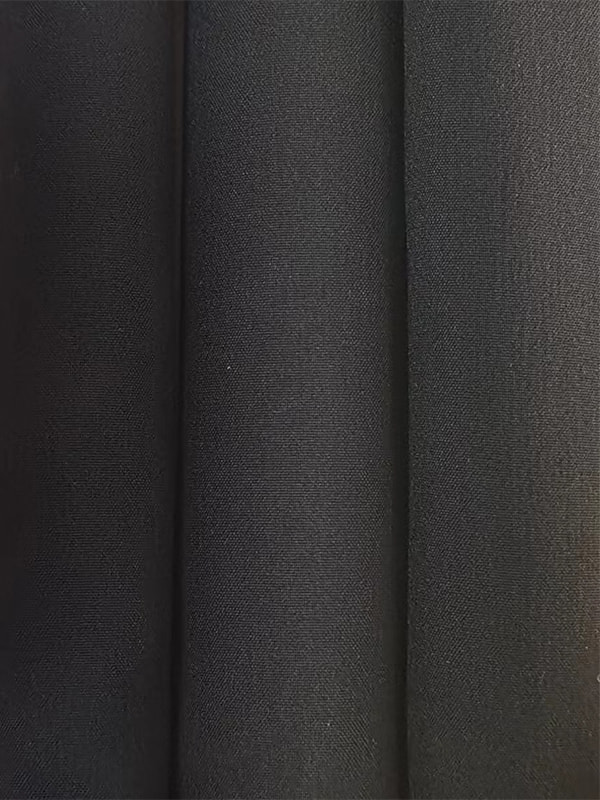 75D Weft Mechanical Stretch Fabric with Eco-Friendly ConstructionThis lightweight mechanically elastic fabric offers stable comfort stretch without spandex, making it suitable for shirts, light jackets, and uniform programs while supporting environmentally conscious sourcing.View Product →
Why Elastane Fails in Industrial Washing
Spandex blends usually contain a fine elastane filament that is core-spun or covered by polyester or nylon fibers. This elastane filament is the part responsible for high stretch and soft recovery. It is also the part that is least stable in harsh laundering. Industrial wash formulas may include:
- Alkaline detergents with pH levels strong enough to attack polyurethane
- Chlorine bleach and oxygen-based bleaching compounds
- Water temperatures from 60°C to 90°C
- Prolonged mechanical agitation with abrasion between garments
- High-speed extraction followed by hot tumble drying
These exposures break the long polymer chains in elastane through hydrolysis and oxidation. The damage may not be visible after one wash, but it accumulates. Fabric starts to feel less springy, pockets bag, knees and elbows stay stretched, and the garment loses its shape. Dyed elastane can also change color and create a cloudy effect on the surface of the fabric.
For a polyester/spandex blend, the polyester part of the fabric may still be strong after 50 washes, but the elastane may have already lost most of its restoring force. That mismatch is why a garment can look intact yet no longer fit properly.
Mechanical Stretch vs. Spandex Blend: Key Differences
The table below summarizes the difference in wash durability and wear behavior between polyester mechanical stretch and typical spandex blends.
| Performance Factor | Polyester Mechanical Stretch | Spandex Blend |
|---|---|---|
| Stretch source | Textured polyester or bicomponent yarn | Elastane core with a polyester or nylon cover |
| Chlorine and bleach resistance | High | Low to moderate |
| High-temperature wash stability | Strong | Moderate; elastane can weaken |
| Elastic recovery after repeated washing | Stable | Declines as elastane breaks down |
| Shape retention | Good | Can bag and deform in stress zones |
| Hand feel | Crisper and more structured | Soft and highly extensible initially |
| Typical apparel use | Workwear, uniforms, outdoor clothing | Yoga pants, casual wear, stretch denim |
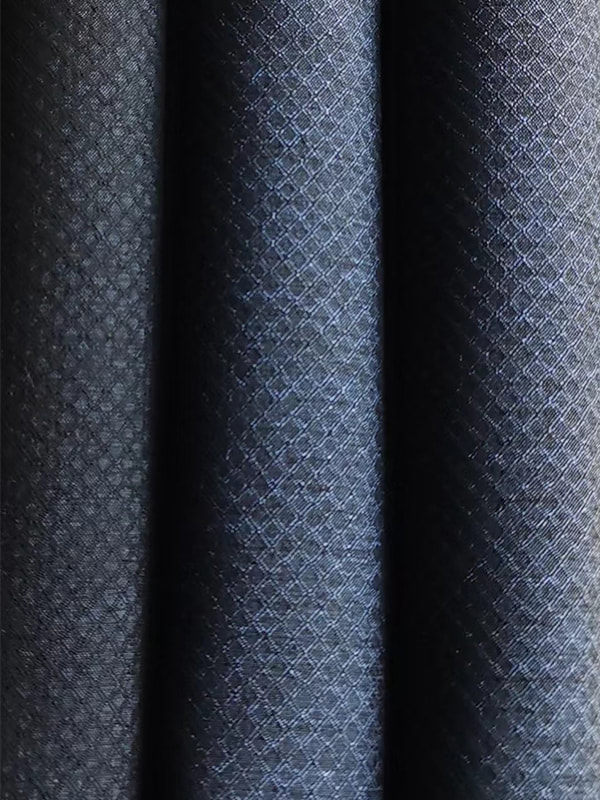
A 2/2 twill mechanical stretch construction is a practical choice for industrial wash garments because the interlacing pattern creates a firmer, more abrasion-resistant surface while maintaining comfortable weft stretch.
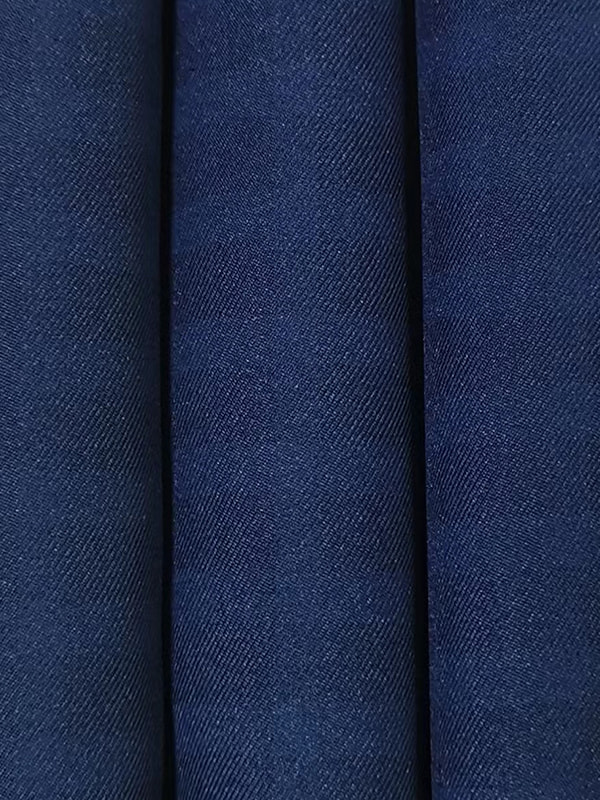 2/2 Twill Mechanical Stretch Fabric with Hidden Grid PatternA 99% polyester fabric with warp and weft mechanical stretch, featuring a subtle checkered twill surface, water resistance, and durability suited for outerwear and spring-autumn garments.View Product →
How Polyester Mechanical Stretch Survives Industrial Wash Cycles
Polyester mechanical stretch fabrics are not simply "stretch fabric without spandex." They are designed as a complete system where the yarn, weave, and finish work together to protect the elastic potential.
Hydrolysis-Resistant Polymer
Polyester's ester chain is far more stable than elastane's urethane chain in alkaline wash baths.
Recovery Built Into Yarn
Crimped or bicomponent polyester returns to its set shape instead of relying on a thin rubber-like core.
Fewer Layers, Less Failure
The absence of an elastane core also removes a common source of delamination and stiffness loss after washing.
In accelerated launderometer testing, no-elastane mechanical stretch fabrics generally show less relaxation than spandex blends under the same industrial wash protocol. The fabric may lose a small amount of stretch in the first few washes as yarns settle, but the remaining elasticity stays stable over many more cycles.
This behavior makes polyester mechanical stretch especially suited to garments that need to keep fit after repeated laundering, such as corporate uniforms, chef coats, and outdoor workwear.
Choosing the Right Mechanical Stretch Fabric
Not all mechanical stretch fabrics behave the same in industrial washing. The final specification should be based on the garment's use, the wash temperature, and the desired level of stretch. Below are the main points to review when sourcing from a functional fabric manufacturer like Redcolor.
- Weave structure: Twill and cavalry twill have a firmer hand and hide surface distortion better than a very loose plain weave.
- Yarn type: T400 and T800 bicomponent polyester yarns provide good elastic recovery without elastane and are widely used in no-spandex stretch programs.
- Fabric weight and coverage: Heavier double-weave or mountaineering fabrics handle heavy-duty laundry better than ultra-light constructions.
- Add-on functions: If a TPU or PTFE film is laminated to the fabric, the film must also be selected for hydrolytic stability.
- Environmental requirements: Recycled polyester, Oeko-Tex Standard 100, and GRS certificates help support sustainability goals.
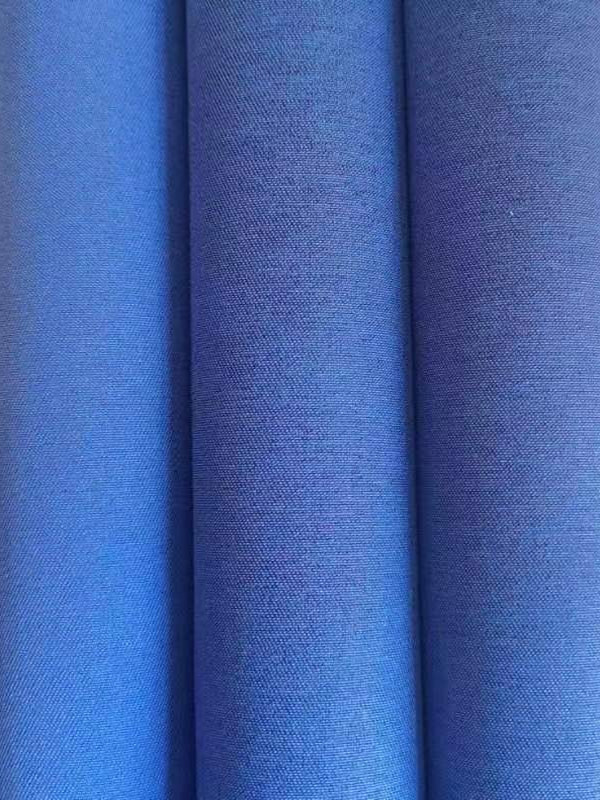
T400 is one of the most reliable ways to add mechanical stretch to polyester fabrics. A plain-weave environmental protection T400 option can be used when a clean surface, moderate stretch, and lower environmental impact are all needed.
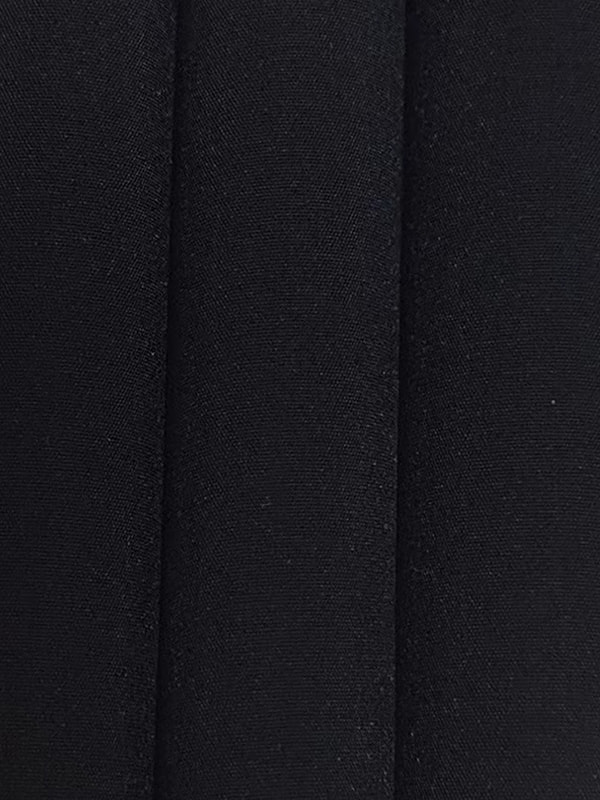 Plain Weave Eco-Friendly T400 Stretch FabricThis plain-weave T400 recycled polyester fabric provides moderate mechanical stretch with a clean surface and reduced environmental impact, ideal for applications requiring stable stretch and lower resource use.View Product →
Frequently Asked Questions
Q1: Is mechanical stretch fabric as stretchy as a spandex blend?
Most mechanical stretch fabrics have a lower elongation than high-stretch spandex, but they still provide enough stretch for comfort in daily wear and workwear. The advantage is stability. A spandex blend can offer a higher initial stretch, but it may lose that stretch quickly in industrial washing, while polyester mechanical stretch remains closer to its original performance after many more cycles.
Q2: Does industrial washing damage all spandex blends?
Industrial washing accelerates the aging of all elastane to some degree. The rate depends on the elastane type, the covering yarn, and the detergent chemistry. In general, prolonged exposure to chlorine, oxidizers, high temperature, and mechanical stress makes polyurethane elastane less durable than polyester mechanical stretch.
Q3: Can polyester mechanical stretch be recycled?
Because mechanical stretch polyester fabrics contain no elastane, they are much easier to handle in polyester recycling streams. Many mills, including Redcolor, offer GRS-certified recycled polyester mechanical stretch fabrics, which supports circular fashion and corporate sustainability targets.
Q4: What about TPU or PTFE laminated mechanical stretch?
Laminated mechanical stretch fabrics can be used in jackets and protective clothing. The important point is to verify the film's hydrolytic resistance and wash durability. When both the base fabric and the film are selected for industrial laundry conditions, the garment can achieve a much longer useful life than a conventional spandex-blend laminated fabric.
The decision between mechanical stretch and spandex blend comes down to how the garment will be used. For yoga pants and fashion apparel that are hand-washed or laundered gently, elastane can still be a good choice. But for workwear, uniforms, hotel and healthcare garments, and outdoor clothing that is washed industrially, polyester mechanical stretch has a clear advantage in lifespan and shape retention.
No single fabric solves every project, but a no-elastane polyester stretch construction eliminates the most common reason why stretch garments fail in commercial laundries. By choosing the right weave, yarn, and finishing process, brands and manufacturers can reduce bagging, shrinkage, and fit-related returns. Exploring a mechanical stretch or T400 development sample is the most direct way to compare the performance in your own industrial wash test.
Contact Us for More Details
Don't hesitate to contact when you need us!
Product Categories
Contact Information
-
NO.1 Huanhu Road(Building I)Pingwang, Wu Jiang, Suzhou, Jiangsu, China
-
+86-13962557213
-
+86-512-80739991-801
-
+86-512-80739990
