
 English
 中文简体
中文简体
What Is 3D Jacquard Fabric?
2026-03-24
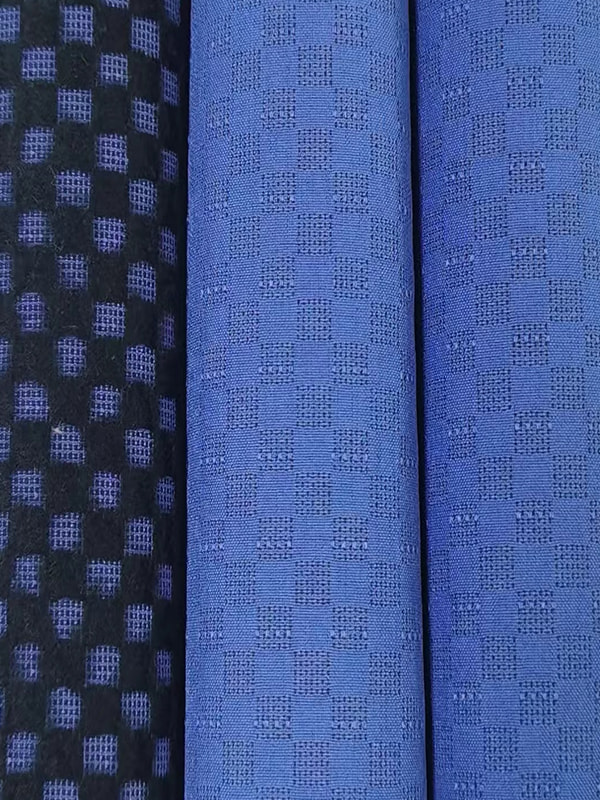
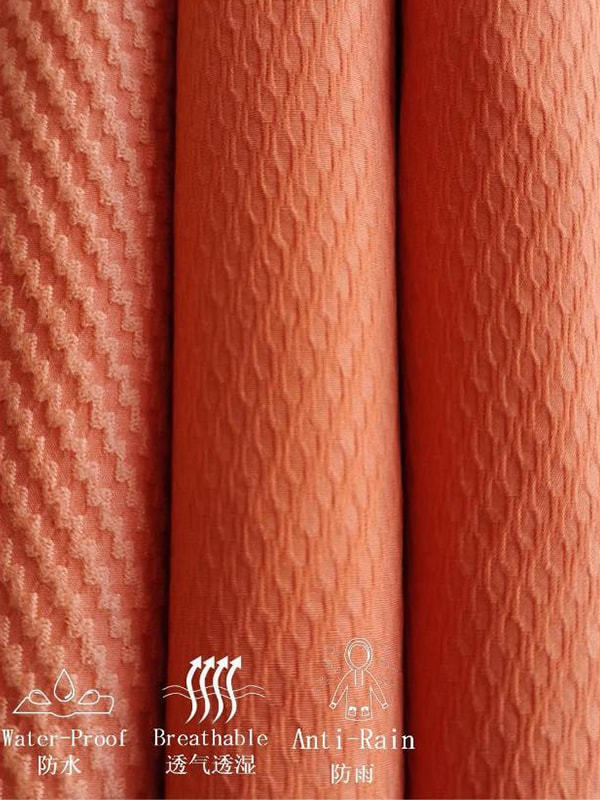
3D jacquard fabric represents a significant advancement in textile technology, combining the intricate patterning capabilities of traditional jacquard weaving with three-dimensional structural effects. Unlike printed patterns, which sit on the fabric's surface, 3D jacquard creates texture, depth, and multi-layered designs directly within the weave structure. This is achieved by using complex loom mechanisms that control individual warp threads, allowing for the creation of raised patterns, channels, and varying fabric densities. For product developers, designers, and procurement specialists, understanding the technical capabilities of 3D jacquard is essential for applications ranging from high-end upholstery to performance sportswear and footwear.
Content
- 1 Why Is 3D Jacquard Fabric Revolutionizing Textile Design?
- 2 How to Select the Right 3D Jacquard for Your Application?
- 3 Who Provides High-Quality, Customizable 3D Jacquard Fabrics?
- 4 Conclusion: How to Choose the Perfect 3D Jacquard Fabric for Your Project?
- 5 Frequently Asked Questions (FAQ)
- 5.1 1. What is the difference between jacquard and 3D jacquard fabric?
- 5.2 2. Is 3d jacquard upholstery fabric for furniture durable enough for commercial use?
- 5.3 3. Can breathable 3d mesh jacquard fabric for shoes be made with recycled materials?
- 5.4 4. What is the typical minimum order quantity (MOQ) for custom 3d jacquard fabric with logo?
- 5.5 5. How does 3d jacquard knitted fabric for sportswear manage moisture?
- 6 References
Why Is 3D Jacquard Fabric Revolutionizing Textile Design?
3D jacquard fabric offers unprecedented design freedom and functional integration. It allows designers to create patterns and textures without the need for post-weaving processes like printing or embossing. The 3D effect is inherent to the fabric, making it more durable and long-lasting. Furthermore, by varying the weave structure, different zones of the fabric can be engineered for specific properties, such as increased breathability, cushioning, or stiffness, all within a single piece of fabric. This capability is driving innovation in furniture, apparel, and industrial textiles.
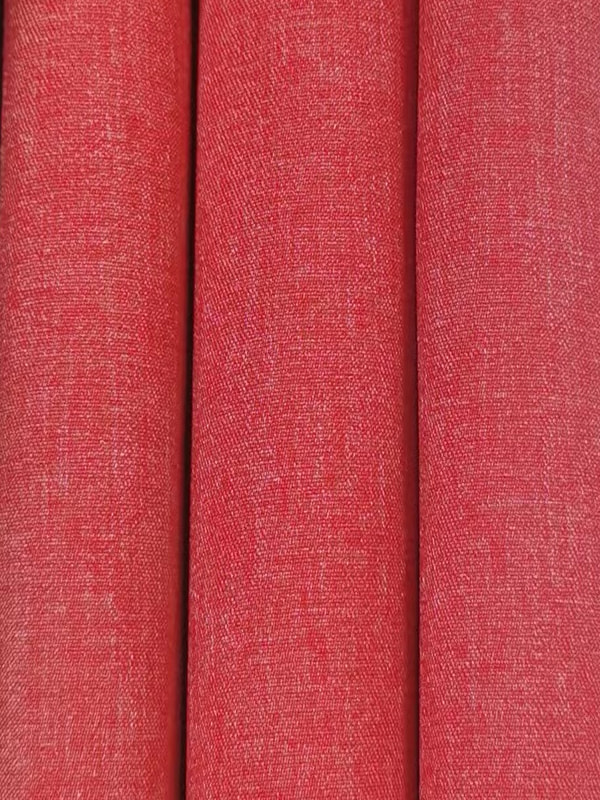
The Aesthetic Appeal of 3D Jacquard Upholstery Fabric for Furniture
3D jacquard upholstery fabric for furniture is transforming interior design by offering luxurious textures and patterns that are both visually striking and highly durable. In upholstery applications, the 3D structure can mimic the look of carved wood, embossed leather, or intricate handwoven textures, but with the comfort and flexibility of a textile. The raised patterns are created by using different weave structures, such as warp floats or double cloth constructions, which cause certain areas of the fabric to stand out from the background. This not only enhances the aesthetic appeal but also adds a tactile dimension to sofas, armchairs, and headboards. From a technical perspective, upholstery fabrics must withstand significant abrasion and wear. 3D jacquard upholstery fabrics are typically woven from high-tenacity fibers like polyester or solution-dyed acrylic, ensuring the 3D pattern remains intact and does not crush or fade over years of use. The fabric's durability is often measured by the Martindale abrasion test, with ratings above 40,000 cycles indicating suitability for heavy-duty commercial use.
Performance and Comfort: Breathable 3D Mesh Jacquard Fabric for Shoes
Breathable 3D mesh jacquard fabric for shoes addresses a critical performance requirement in footwear: managing heat and moisture. This fabric is typically constructed using a double-layer or multi-layer jacquard weave that creates an open, porous structure. The "3D" aspect often refers to a spacer fabric construction, where two separate outer layers are connected by a monofilament pile yarn. This creates a ventilated air chamber within the fabric. The jacquard capability allows designers to engineer ventilation zones precisely where they are needed most, such as over the toe box or along the arch. Additionally, patterns and logos can be woven directly into the mesh, eliminating the need for appliqués that could restrict airflow. For athletic and casual footwear, this fabric provides a combination of lightweight breathability, structural support, and seamless design aesthetics. The material is almost exclusively polyester, chosen for its moisture-wicking properties and durability.
How to Select the Right 3D Jacquard for Your Application?
Selecting the optimal 3D jacquard fabric involves matching the weave structure and fiber content to the functional demands of the end product. The following sections provide detailed guidance for key applications.
Flexibility and Function: 3D Jacquard Knitted Fabric for Sportswear
3D jacquard knitted fabric for sportswear represents the intersection of advanced knitting technology and performance apparel design. Unlike woven jacquard, knitted jacquard is produced on computerized flat or circular knitting machines. The 3D effect in knit fabrics is often achieved through techniques like "drop stitch" or "links-links" patterning, which create textured surfaces, ribs, or even integral channels for ventilation or cushioning. For sportswear, this technology is invaluable. Designers can engineer fabrics with different stitch densities in specific zones: a denser, more supportive structure around the shoulders or knees, and a more open, breathable mesh pattern over high-sweat areas. The 3D texture can also enhance moisture management by creating channels that wick sweat away from the skin. Furthermore, jacquard knitting allows for the creation of seamless garments, reducing chafing and improving comfort. Fibers used range from polyester and nylon for performance, to blends with elastane for stretch and recovery. The table below provides a technical comparison of woven vs. knitted 3D jacquard for apparel.
| Property | 3D Jacquard Woven Fabric | 3D Jacquard Knitted Fabric for Sportswear |
|---|---|---|
| Primary Structure | Interlacing of warp and weft yarns | Interlooping of yarns |
| 3D Effect Creation | Multi-layer weaves, warp floats, tension variations | Drop stitch, links-links, jacquard patterning |
| Stretch & Recovery | Limited, unless elastomeric yarns are used | Excellent, especially with elastane blends |
| Dimensional Stability | Very high, low elongation | Moderate, can be shaped during knitting |
| Typical Applications | Upholstery, bags, structured garments | Sportswear, activewear, seamless garments |
| Key Performance Attribute | Durability, pattern precision, structure | Flexibility, breathability, comfort, stretch |
Durability and Style: Polyester 3D Jacquard Fabric for Bags
Polyester 3D jacquard fabric for bags is a popular choice for luggage, backpacks, and handbags because it combines high durability with sophisticated design. Polyester fibers offer excellent tensile strength, abrasion resistance, and resistance to UV degradation. When woven into a 3D jacquard structure, these performance characteristics are enhanced by the fabric's ability to incorporate complex patterns directly into its construction. This means that logos, brand names, or intricate geometric designs can be woven as an integral part of the fabric, rather than being printed or embroidered on later. This results in a more durable and premium-looking product, as the design cannot peel, fade, or scratch off. For bag applications, the fabric's weight is a key specification, typically ranging from 300 to 800 grams per square meter (gsm) depending on the bag's intended use. A backpack might use a lighter-weight jacquard, while a heavy-duty duffel bag would require a heavier, more robust construction. A durable water repellent (DWR) finish is often applied to enhance water resistance.
Branding Opportunities with Custom 3D Jacquard Fabric with Logo
Custom 3D jacquard fabric with logo offers brands a powerful tool for creating distinctive, high-value products with integrated branding. Unlike traditional branding methods like printing, weaving, or embroidering, jacquard integration allows the logo to become part of the fabric's very structure. This is achieved by translating the logo's design into a digital jacquard pattern file. The loom then weaves this pattern, with the logo appearing as a raised, textured, or color-contrasting element. The 3D aspect can be used to make the logo stand out from the background, creating a subtle yet unmistakable brand statement. This technique is used in high-end automotive interiors, luxury luggage, premium apparel, and corporate gifts. The key advantage is the permanence and quality of the branding. It signals a commitment to craftsmanship and detail. For manufacturers, creating custom jacquard fabric requires close collaboration with the mill to digitize the design, select appropriate yarns and colors, and produce a sample for approval before bulk production.
Who Provides High-Quality, Customizable 3D Jacquard Fabrics?
For brands and manufacturers seeking a reliable partner for 3D jacquard fabric development, a vertically integrated producer with advanced weaving capabilities is essential. Suzhou Redcolor International Trading Co., Ltd., along with its subsidiaries Suzhou LJC Textile Co., Ltd. and Wujiang Jiabaokang Textile Co., Ltd., forms a comprehensive textile production enterprise. The company integrates spinning, texturing, weaving, and trade, operating two major production bases in Wujiang (Suzhou) and Siyang (Suqian). With an annual output of approximately 60 million meters of various textiles, they possess significant capacity and technical expertise. Their product range includes shell and lining materials sold to international markets such as the United States, Europe, and Southeast Asia. As China Custom High Performance Polyester T400 Stretch Fabric Manufacturers and ODM/OEM suppliers, they are well-positioned to develop and produce custom 3D jacquard fabrics, leveraging their integrated production chain to ensure quality, consistency, and timely delivery. They adhere to the concept of high-quality and better products to serve every customer.
Conclusion: How to Choose the Perfect 3D Jacquard Fabric for Your Project?
Choosing the perfect 3D jacquard fabric requires a clear understanding of your product's performance needs and aesthetic goals. For furniture that demands both beauty and durability, 3d jacquard upholstery fabric for furniture offers unmatched texture and wear resistance. For footwear that requires ventilation and comfort, breathable 3d mesh jacquard fabric for shoes is the ideal engineered solution. For activewear that needs to move with the body, 3d jacquard knitted fabric for sportswear provides flexibility and zone-specific functionality. For bags and accessories that must withstand daily use, polyester 3d jacquard fabric for bags combines strength with style. And for creating a distinctive brand identity, custom 3d jacquard fabric with logo offers a permanent and premium branding solution. By partnering with an experienced, vertically integrated manufacturer, you can bring your 3D jacquard concepts to life with precision and quality.
Frequently Asked Questions (FAQ)
1. What is the difference between jacquard and 3D jacquard fabric?
Traditional jacquard fabric refers to any fabric woven on a jacquard loom, which allows for complex patterns. 3D jacquard fabric specifically incorporates structural, three-dimensional elements into the weave. This can include raised patterns, quilted effects, multi-layer constructions, or spacer fabric structures that add depth and texture beyond a flat, two-dimensional pattern.
2. Is 3d jacquard upholstery fabric for furniture durable enough for commercial use?
Yes, many 3D jacquard upholstery fabrics are specifically engineered for high-traffic commercial environments. They are often made from high-tenacity fibers like solution-dyed polyester or nylon and are tested to meet strict abrasion resistance standards (e.g., Martindale 40,000+ cycles) and lightfastness requirements. Always check the technical specifications for the intended use.
3. Can breathable 3d mesh jacquard fabric for shoes be made with recycled materials?
Yes, it is increasingly common to produce 3D mesh jacquard fabrics using recycled polyester (rPET) derived from plastic bottles. These recycled materials offer comparable performance to virgin polyester in terms of breathability, durability, and moisture management, supporting sustainability goals in footwear manufacturing.
4. What is the typical minimum order quantity (MOQ) for custom 3d jacquard fabric with logo?
The MOQ for custom jacquard fabric can vary significantly based on the fabric's complexity, the number of colors, and the loom setup. It is typically higher than for standard fabrics, often starting around 1,000 to 3,000 meters per design. However, some manufacturers may offer lower MOQs for smaller projects or sample runs. It is best to discuss your specific needs directly with the supplier.
5. How does 3d jacquard knitted fabric for sportswear manage moisture?
3D jacquard knitted fabrics manage moisture through several mechanisms. The textured surface created by the jacquard pattern reduces the skin contact area, allowing for better air circulation. The knit structure can be engineered to create channels that wick moisture away from the body via capillary action. Additionally, the use of hydrophobic fibers like polyester on the outer layer helps to spread moisture for faster evaporation.
References
- American Society for Testing and Materials. (2022). ASTM D4966 - Standard Test Method for Abrasion Resistance of Textile Fabrics (Martindale Abrasion Tester Method).
- International Organization for Standardization. (2021). ISO 105-B02:2014 Textiles — Tests for colour fastness — Part B02: Colour fastness to artificial light: Xenon arc fading lamp test.
- Textile Exchange. (2023). Recycled Polyester (rPET) Market Report.
- British Standards Institution. (2020). BS 2543:2018 Specification for woven and knitted fabrics for upholstery.
- ASTM International. (2021). ASTM D737 - Standard Test Method for Air Permeability of Textile Fabrics.
- ISO (International Organization for Standardization). (2019). ISO 13934-1:2013 Textiles — Tensile properties of fabrics — Part 1: Determination of maximum force and elongation at maximum force using the strip method.
Contact Us for More Details
Don't hesitate to contact when you need us!
Product Categories
Contact Information
-
NO.1 Huanhu Road(Building I)Pingwang, Wu Jiang, Suzhou, Jiangsu, China
-
+86-13962557213
-
+86-512-80739991-801
-
+86-512-80739990
