

 English
 中文简体
中文简体
What Makes Mechanical Stretch Fabric Different From Spandex Blends?
2026-04-02
For B2B buyers and production engineers, understanding fabric stretch mechanisms is essential for making informed sourcing decisions. The difference between elastane-based stretch and Mechanical Stretch Fabric lies in the engineering of the yarn and weave structure itself. This distinction impacts durability, manufacturing consistency, and end-use performance. This guide examines the technical specifications that define these materials and provides actionable insights for bulk procurement.
Content
The Technical Foundation of Mechanical Stretch
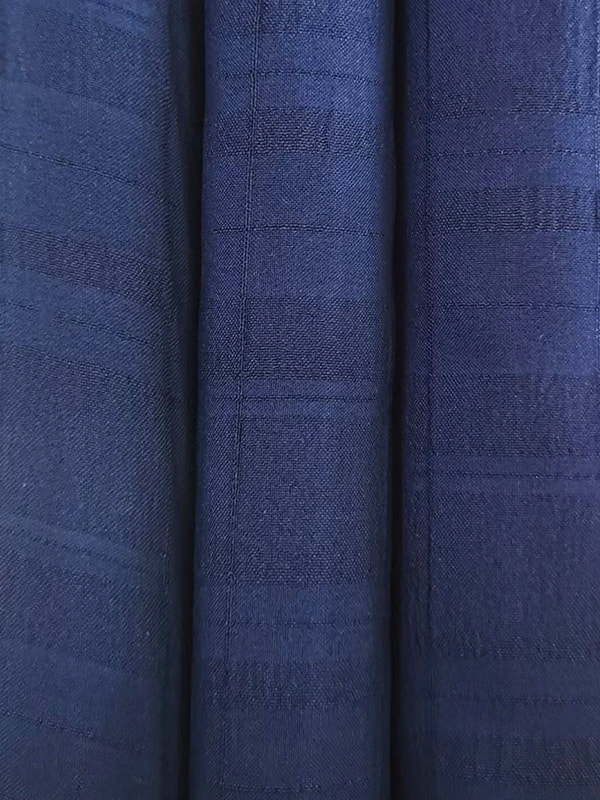
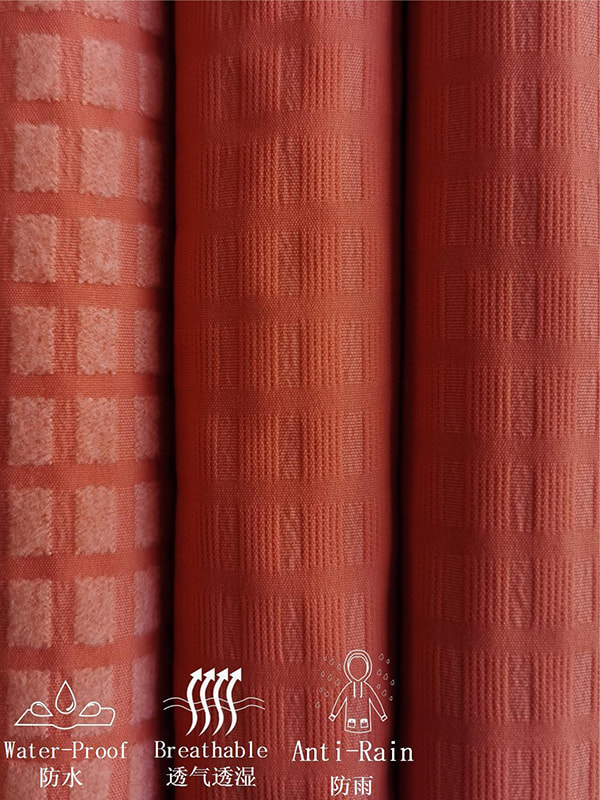
Mechanical Stretch Fabric achieves its elasticity through physical yarn construction and weave geometry rather than through elastomeric fibers like spandex. This engineering approach creates inherent stretch properties that remain stable throughout the fabric's lifecycle. The stretch comes from specially twisted yarns or unique weave patterns that allow the fabric to expand and recover without relying on elastic materials.
This category includes mechanical stretch polyester, which represents a significant advancement in textile engineering. Manufacturers achieve this property through texturized yarns, specific weave structures like twill or sateen variations, or through mechanical finishing processes that alter the fabric's physical structure. The result is a material with controlled stretch that maintains its form without the degradation issues associated with elastane over time.
Key Engineering Parameters for Evaluation
When evaluating these fabrics for bulk orders, buyers must focus on quantifiable metrics that ensure consistency across production runs. These parameters serve as the foundation for quality control protocols and supplier qualification.
- Stretch Percentage: Measured under standardized tension (typically 10N or 20N), this indicates how much the fabric extends. Values typically range from 10% to 30%, depending on the construction.
- Recovery Rate: Expressed as a percentage, this measures how well the fabric returns to its original dimensions after stretching. High-quality mechanical stretch materials achieve 95% or better recovery.
- Growth Percentage: The permanent deformation after repeated stretching. Quality standards require less than 5% growth after multiple cycles.
- Tensile Strength: Measured in Newtons or pounds, this ensures the fabric maintains structural integrity during stretching and end-use applications.
Understanding these parameters becomes particularly important when sourcing mechanical stretch polyester for applications requiring consistent performance, such as performance wear or structured garments.
High-Value Long-Tail Opportunities in Stretch Fabrics
Specific market segments demand specialized stretch fabric solutions. Buyers focusing on these niches can develop expertise that commands premium pricing and establishes long-term supplier relationships.
mechanical stretch woven fabric for tailored clothing
The tailored clothing segment requires fabrics that combine structure with mobility. Mechanical stretch woven fabric for tailored clothing provides the clean lines and professional appearance of traditional wovens while offering the comfort of stretch. These fabrics typically use high-twist yarns or specialized weave geometries that create controlled give in both warp and weft directions. For manufacturers producing suits, trousers, or structured outerwear, this technology eliminates the need for elastane while providing superior shape retention and garment durability.
stretch recovery fabric for performance wear
Performance applications demand fabrics that maintain their stretch properties through repeated use and laundering. Stretch recovery fabric for performance wear focuses on the recovery rate metric, ensuring garments retain their fit over time. These materials undergo rigorous testing for cycle testing, where fabrics are stretched and released thousands of times to simulate extended wear. High-performance grades maintain recovery rates above 95% after 50,000 cycles.
Durable mechanical stretch textile for workwear
Workwear applications combine the need for mobility with exceptional durability. Durable mechanical stretch textile for workwear must withstand abrasion, repeated washing, and harsh working conditions. These fabrics often utilize heavier-weight constructions with reinforced weave structures that distribute stress evenly across the material. The absence of elastane means these textiles maintain their integrity longer in industrial laundry environments where spandex-blended materials typically degrade.
Comparative Analysis of Stretch Technologies
To make informed sourcing decisions, comparing mechanical stretch technology with traditional elastane-based systems is essential. The following analysis outlines the industrial advantages and limitations of each approach.
Stretch Technology Comparison: When selecting materials for bulk production, the choice between Mechanical Stretch Fabric and spandex-blended alternatives involves evaluating performance, manufacturing consistency, and long-term durability. Mechanical stretch offers superior recovery and avoids elastane degradation issues, while spandex blends typically provide higher initial stretch percentages.
Here is a comparative table based on standard industrial testing protocols:
| Property | Mechanical Stretch Woven | Spandex (Elastane) Blend |
|---|---|---|
| Stretch Range | 10-25% | 20-40% |
| Recovery Rate (After 50 washes) | 94-98% | 80-90% |
| Growth (Permanent Deformation) | 2-4% | 5-10% |
| Abrasion Resistance (Cycles to failure) | 50,000+ cycles | 30,000-45,000 cycles |
| Industrial Laundry Compatibility | Excellent | Moderate to Good |
| Production Consistency | High (no spandex variation) | Variable (depends on spandex content uniformity) |
This data demonstrates that the optimal technology depends on application requirements. For performance apparel requiring high initial stretch, spandex blends may be appropriate. For applications demanding long-term durability, consistent manufacturing, and industrial laundering capability, Mechanical Stretch Fabric presents clear advantages.
Quality Assurance Protocols for Stretch Fabrics
Implementing robust QA protocols ensures consistent performance across bulk orders. Stretch fabrics require specific testing methods that differ from standard woven materials.
Pre-Production Testing Requirements
Before committing to full production, buyers should conduct comprehensive testing on pre-production samples. Critical tests include stretch and recovery testing using standardized methods like ASTM D3107 or ISO 15625. These tests provide data on initial stretch percentage, growth, and recovery rates that establish baseline performance metrics.
For mechanical stretch polyester specifically, additional testing for heat sensitivity and colorfastness under stretching conditions is essential. Polyester's thermal properties require careful consideration during finishing processes to ensure consistent stretch performance across the entire production run.
In-Process Monitoring
During production, stretch consistency must be monitored through regular sampling. Key control points include:
- Yarn tension monitoring during weaving or knitting
- Heat setting temperature and time consistency
- Cross-directional stretch uniformity across fabric width
- Lot-to-lot variation in stretch and recovery metrics
Acceptable quality limits for stretch fabrics typically require less than 3% variation in stretch percentage between production rolls. This level of consistency ensures that cutting and sewing operations proceed without requiring adjustments for varying fabric behavior.
Frequently Asked Questions (FAQ)
Q1: What is the typical lifespan difference between mechanical stretch fabric and spandex-blended fabric?
A: Based on industrial testing and field performance data, Mechanical Stretch Fabric typically maintains its stretch properties for 2-3 times longer than spandex-blended equivalents. Spandex fibers degrade through hydrolysis, chlorine exposure, and oxidation, typically showing significant loss of recovery after 50-100 industrial laundry cycles. Mechanical stretch constructions, relying on physical yarn and weave structures rather than elastic fibers, demonstrate minimal performance degradation even after 300-500 industrial wash cycles.
Q2: How do I specify mechanical stretch fabric for bulk manufacturing?
A: Specification requires providing detailed technical parameters, including stretch percentage at specified tension (typically 10N or 20N), recovery rate after defined cycles, growth percentage limits, and testing methodology references (ASTM D3107 or ISO 15625). For woven applications, also specify the intended garment type, as this determines the appropriate weight range (GSM) and construction type. Working with mills that can provide lab reports verifying these metrics is essential for quality consistency.
Q3: What are the production advantages of mechanical stretch over elastane blends?
A: From a manufacturing engineering perspective, mechanical stretch offers several significant advantages. First, the elimination of spandex removes the risk of spandex degradation during finishing and cutting. Second, these fabrics maintain consistent behavior across rolls, reducing cutting and sewing adjustments. Third, they eliminate the common problem of spandex "grin-through," where the elastic fibers become visible at seams or high-stretch areas. Fourth, they are compatible with a wider range of finishing chemicals and heat settings without risking elastane damage.
Q4: How does mechanical stretch affect garment manufacturing processes?
A: Mechanical stretch fabric requires specific considerations in cutting, sewing, and finishing. Cutting requires stabilization systems to prevent distortion during spreading. Sewing requires appropriate thread selection with compatible stretch properties and needle systems designed for woven stretch materials. Seam construction should use lockstitch or chainstitch configurations with proper tension settings. Heat setting during finishing requires precise temperature control, particularly for mechanical stretch polyester, to lock in the final dimensions without affecting the engineered stretch properties.
References
- ASTM International. (2023). ASTM D3107-23: Standard Test Methods for Stretch Properties of Fabrics Woven from Stretch Yarns.
- International Organization for Standardization. (2022). ISO 15625: Textiles - Determination of elastic recovery and residual extension of woven fabrics.
- Textile Institute. (2023). Journal of Textile Engineering: Mechanical vs. Elastane Stretch Fabrics Performance Analysis.
- AATCC Technical Committee. (2024). AATCC Test Method 179: Colorfastness to Stretching.
- Industrial Fabrics Association International. (2023). Technical Bulletin: Stretch Fabric Specification Guidelines.
- Fabric Technology Research Institute. (2023). Performance Wear Fabric Durability Testing Report.
Contact Us for More Details
Don't hesitate to contact when you need us!
Product Categories
Contact Information
-
NO.1 Huanhu Road(Building I)Pingwang, Wu Jiang, Suzhou, Jiangsu, China
-
+86-13962557213
-
+86-512-80739991-801
-
+86-512-80739990
