

 English
 中文简体
中文简体
What Is T400 Elastomultiester? Bicomponent Structure & Permanent Stretch
2026-10-12
T400 elastomultiester has become a key material in functional fabrics because it solves one of the oldest problems in stretch clothing: elasticity that disappears after a few washes. Unlike spandex, which is added as a separate elastic component and degrades over time, T400 builds stretch into the yarn itself. The elasticity lives inside the fiber structure, which is why it is described as permanent.
This article explains what T400 elastomultiester is, what the bicomponent structure means at the fiber level, and how that structure produces stretch and recovery that last. It also compares T400 with spandex and mechanical stretch fabrics, and looks at where this technology is most useful in real apparel production.
Content
- 1 What Is T400 Elastomultiester?
- 2 The Bicomponent Structure: Two Polymers, One Filament
- 3 How the Bicomponent Structure Creates Permanent Stretch
- 4 T400 Elastomultiester vs. Spandex vs. Mechanical Stretch
- 5 Key Benefits of T400 Stretch Fabric
- 6 Where T400 Elastomultiester Is Used in Apparel
- 7 Caring for T400 Stretch Fabrics
- 8 Frequently Asked Questions
- 9 Conclusion
What Is T400 Elastomultiester?
T400 elastomultiester is a bicomponent filament yarn made from two different polyester polymers that are spun together in one continuous fiber. In most commercial versions, the two components are polyethylene terephthalate (PET) and polytrimethylene terephthalate (PTT). They are extruded side by side, so every filament contains two distinct polymer regions bonded along its full length.
The term "elastomultiester" comes from the fiber's official classification. It means the material is an elastic, multi-component polyester fiber. The stretch is not the result of elastane or rubber. It comes from the physical arrangement of the two polymers and how they react to heat. When the fiber is heat treated during fabric finishing, the two components shrink at different rates. One component contracts more than the other, forcing the filament to curl into a spring-like coil. That coil is the engine of T400 stretch.
Because the two components are integrated at the extrusion stage, the elastic behavior is uniform across every filament and every meter of fabric. Manufacturers such as Suzhou Redcolor Textile use T400 yarns in woven constructions ranging from twill and plain weaves to air-layered and textured styles, adding cationic polyester, recycled yarns, or low-transparency TPU lamination to meet specific garment requirements.
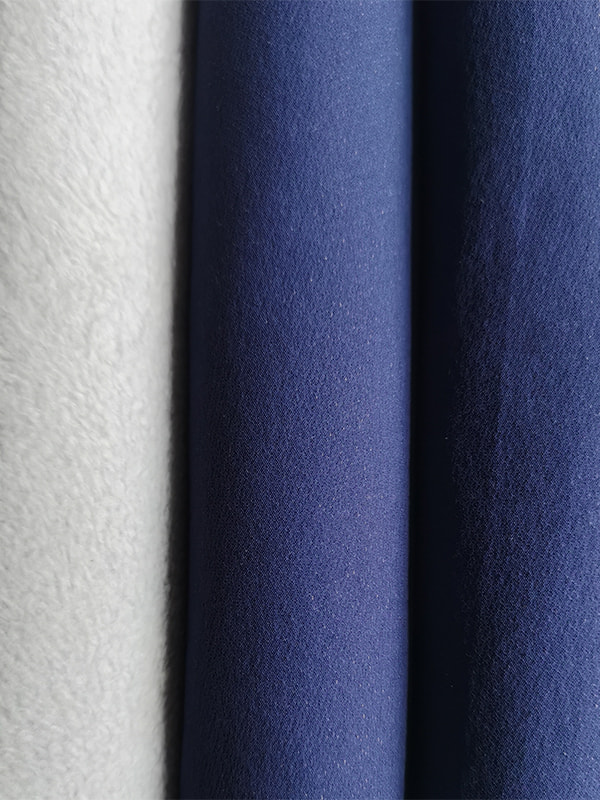
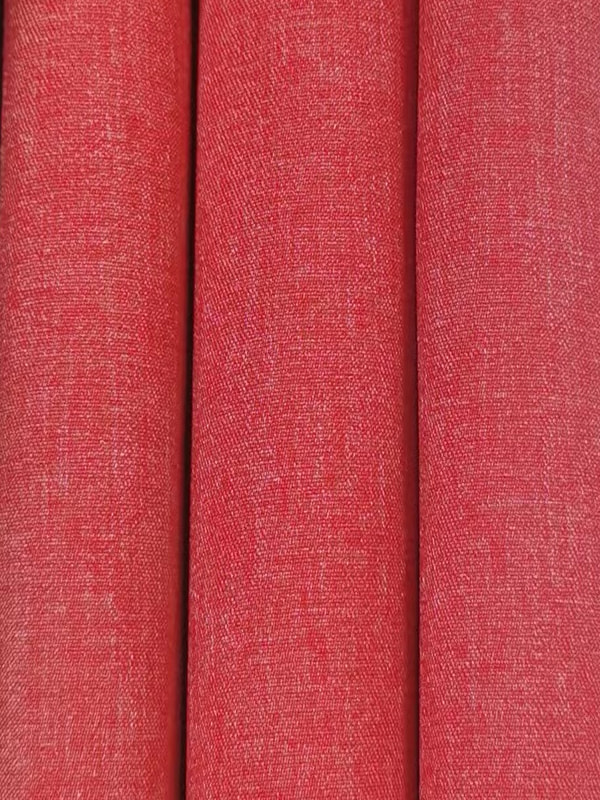 150D Cationic Polyester T400 Twill Stretch FabricThis woven construction integrates T400 at extrusion, delivering uniform elasticity across every filament. Its cationic polyester content supports varied garment requirements, making it a reliable choice for stretch-focused apparel.View Product →
For a closer look at weave types, elasticity levels, and typical uses, read the T400 stretch fabric guide.
The Bicomponent Structure: Two Polymers, One Filament
Bicomponent fiber technology combines two polymers with different properties in a single filament. In T400 elastomultiester, the PET and PTT components are arranged side by side. This is not a coating, a blend, or a core-and-sheath design. It is a true dual-channel structure in which both polymers are exposed on the surface of the fiber and run continuously along its length.
The difference in shrinkage between the two components is what creates the coil geometry:
- One component shrinks significantly when heated, acting as the contracting side of the fiber.
- The other component retains more length and provides elastic memory, acting as the recovery side.
- The imbalance in shrinkage creates internal stress, and the fiber responds by curling into a three-dimensional helical crimp.
The helical crimp is set into the fiber by heat and remains part of the yarn structure for the life of the fabric. This is fundamentally different from adding spandex to a weave.
This coiled configuration gives the yarn a built-in spring. When external force pulls the fabric, the coils open. When the force is removed, the coil energy pulls the fiber back to its original position. The stretch and recovery are properties of the fiber geometry itself, not of a separate elastic thread.
How the Bicomponent Structure Creates Permanent Stretch
Permanent stretch is a strong claim. In a spandex-based fabric, elasticity is borrowed from polyurethane filaments that are wrapped or core-spun with other yarns. Those filaments lose tension over time, especially when exposed to heat, chlorine, and repeated washing. The fabric gradually becomes loose because the elastic component is wearing out.
T400 elastomultiester works differently. The elastic element is the crimp inside the fiber. Heat sets the coil shape, and the molecular orientation of the PTT component provides recovery force. Since the crimp is a geometric feature of the filament, it does not wash out, snap, or separate from the other yarns in the fabric. The stretch is permanent because the structure that creates it is permanent.
Two polymers
in one filament create the elastic coil
No spandex
means no elastic fatigue in the core
Heat-set crimp
locks stretch into the yarn geometry
The performance benefits are measurable in everyday use. A garment made with T400 can be bent, stretched, and relaxed thousands of times without losing its ability to recover. The fabric holds its shape in the knees of sports pants, the elbows of jackets, and the seat of daily wear trousers. For manufacturers, this is a practical advantage: premium garments retain their fit longer, which supports brand reputation and reduces returns.
T400 Elastomultiester vs. Spandex vs. Mechanical Stretch
Understanding where T400 fits in the stretch fabric landscape is easier with a direct comparison. The table below contrasts T400 elastomultiester with spandex-based stretch and mechanical stretch fabrics across the characteristics that matter most in apparel manufacturing.
| Property | T400 Elastomultiester | Spandex-Based Stretch | Mechanical Stretch |
|---|---|---|---|
| Source of stretch | Bicomponent fiber crimp | Added elastic filaments | Yarn or weave geometry |
| Long-term recovery | Permanent | Diminishes with wear | Depends on construction |
| Resistance to chlorine | Good | Poor | Good |
| UV and heat resistance | Good | Moderate | Good |
| Dyeing options | Cationic dyeable | Often requires special care | Standard polyester dyeing |
| Moisture management | Good | Can trap moisture | Good |
Mechanical stretch fabrics rely on special knitting or weaving structures to create give and recovery. They offer higher stability and simpler processing, but their elasticity range is more limited. T400 sits between the two approaches: it delivers spandex-like recovery while keeping the processing advantages and durability of a fully synthetic yarn.
Key Benefits of T400 Stretch Fabric
The combination of bicomponent elasticity and polyester performance creates a set of benefits that are hard to match with conventional stretch materials.
- Lasting elasticity. Thanks to the heat-set coil structure, T400 fabrics keep their stretch and shape far longer than spandex blends.
- Freedom in dyeing and finishing. Cationic dyeable T400 allows cross-dyeing effects, and the fiber can be finished at normal polyester temperatures without losing its elastic core.
- Breathable comfort. The crimped fiber creates micro-voids in the yarn, supporting air circulation and moisture transport that make sportswear and everyday garments more comfortable.
- Lightweight hand feel. T400 yarns produce fabrics with a soft, dry touch and a natural drape, unlike the rubbery feel of some spandex-based materials.
- Sustainability options. T400 can be produced with recycled polyester, and it avoids the elastane waste stream. Fabrics made with these yarns can meet GRS requirements and support circular fashion programs.
From a production perspective, T400 also simplifies quality control. There is no elastic thread to break, no need to manage spandex tension during weaving, and no risk of spandex degradation during dyeing or heat setting. The result is a more predictable fabric with consistent elasticity from roll to roll.
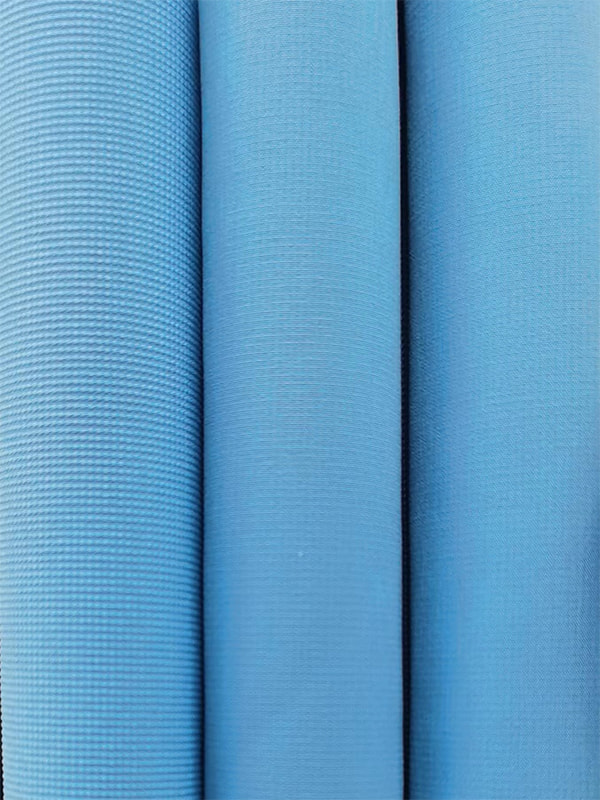
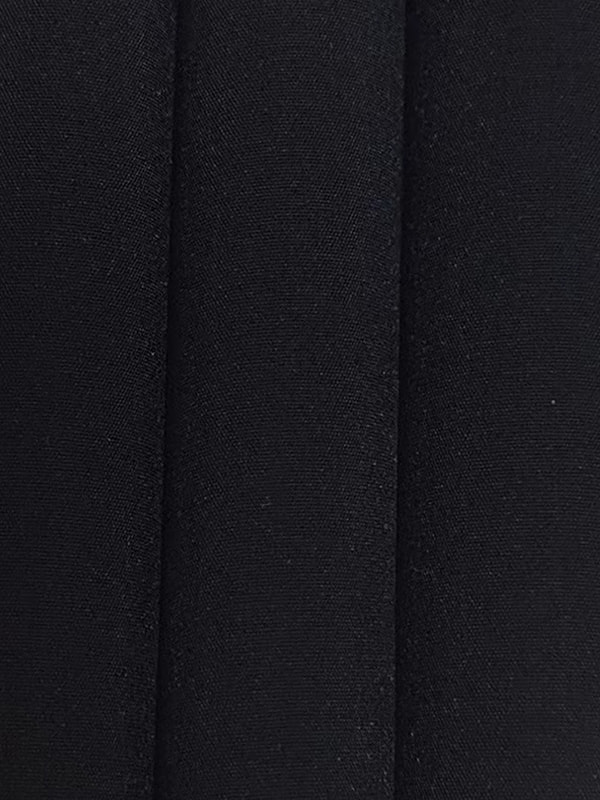 Recycled Plain Weave T400 Stretch FabricFeaturing recycled yarns and a plain weave, this T400 fabric offers permanent stretch without spandex complications. Its consistent elasticity simplifies quality control, ideal for sustainable apparel production.View Product →
Where T400 Elastomultiester Is Used in Apparel
Because T400 delivers permanent stretch without the drawbacks of spandex, it has moved well beyond athletic wear into a wide range of apparel categories.
Sportswear and athleisure
Compression tops, training pants, and yoga leggings rely on elasticity that must survive hundreds of stretches. T400 fabrics offer the required recovery while staying breathable and quick drying.
Outdoor and mountaineering clothing
Outerwear needs stretch for freedom of movement and the ability to layer. T400 yarns are frequently combined with TPU or other membranes to build waterproof components. Air-layered T400 constructions also provide warmth without weight.
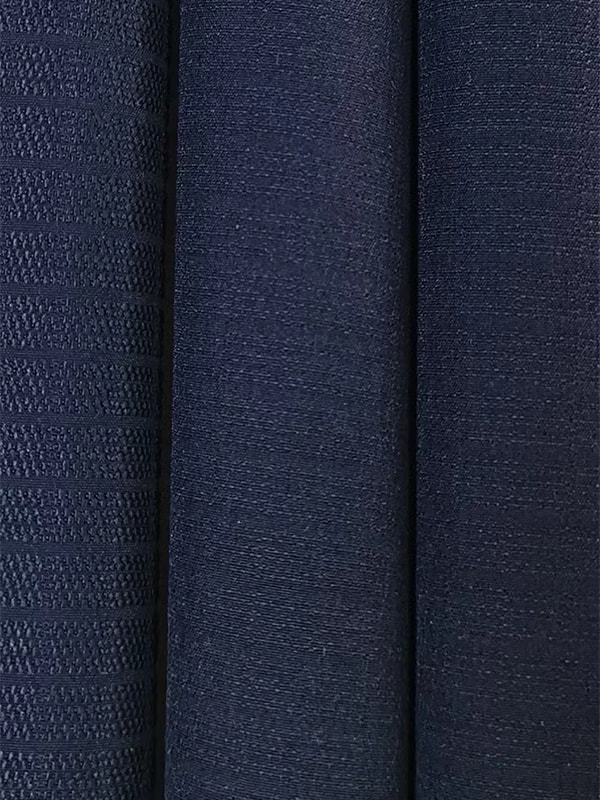
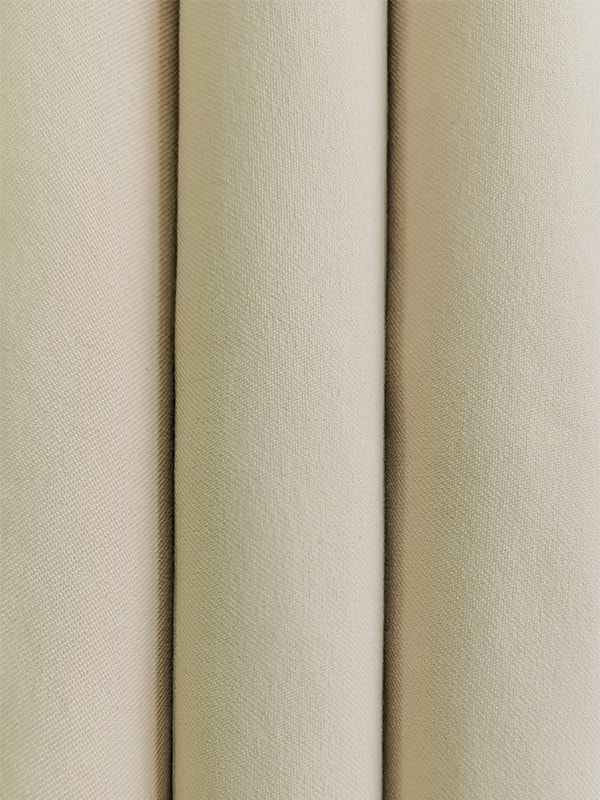 Air-Textured 2/1 Twill T400 Stretch FabricWith air-textured yarns, this fabric provides a soft touch, shape retention, and a distinct diagonal pattern. Suitable for trousers and outerwear, it also offers reliable waterproofing for practical use.View Product →
Daily wear and denim
Casual trousers, shirts, and denim benefit from the shape retention and comfortable stretch of T400. The fiber resists the knee bagging effect that plagues many stretch garments, so the garment keeps its silhouette.
Lining and interlining applications
T400's stable stretch and smooth surface make it useful in linings that need to move with the body, especially in tailored jackets and outerwear.
Our product range includes T400 stretch fabrics in twill, plain, mesh, air-layer, and jacquard constructions, as well as TPU-laminated versions for windproof and low-transparency requirements.
Caring for T400 Stretch Fabrics
One of the practical advantages of T400 elastomultiester is that it does not need the delicate handling that spandex fabrics do. However, following a few simple rules will extend the life of any garment:
- Machine wash in cold water with a mild detergent.
- Avoid bleach and chlorine-based treatments.
- Do not use high-temperature drying; hang drying is preferred.
- Iron at low to medium temperature if needed.
Because the stretch is built into the polymer structure, proper care keeps the fabric looking and fitting like new for a longer time.
Frequently Asked Questions
Q1: Does T400 fabric contain spandex?
No. T400 elastomultiester is a 100% polyester-based bi-component fiber. The stretch comes from the differential shrinkage of two polyester polymers, not from added elastane.
Q2: Is T400 stretch permanent?
Yes. The coil crimp that provides elasticity is set by heat during fiber production and fabric finishing. Since the elasticity is part of the filament geometry, it does not wash out or wear away.
Q3: How does T400 differ from ordinary mechanical stretch fabrics?
Mechanical stretch fabrics achieve elasticity through weave or knit geometry, which gives limited stretch and variable recovery. T400 has a molecular spring inside every filament, offering more responsive and durable recovery.
Q4: Can T400 be recycled?
T400 is polyester-based and can be produced with recycled feedstock. Fabrics carrying GRS certification confirm that a verified amount of recycled content is used in the supply chain.
Conclusion
T400 elastomultiester represents a meaningful shift in how stretch is engineered into fabric. Its bicomponent structure creates a permanent spring inside each filament, delivering durable stretch and recovery without spandex. For apparel manufacturers, that means garments that keep their fit, simplify production, and open the door to more sustainable stretch products.
If you are evaluating stretch fabric options, this deep dive into the elasticity and recovery of T400 stretch fabric is a practical next step. And if you are ready to test the material, explore our T400 stretch fabric collection or contact our team to discuss your specific garment requirements.
Contact Us for More Details
Don't hesitate to contact when you need us!
Product Categories
Contact Information
-
NO.1 Huanhu Road(Building I)Pingwang, Wu Jiang, Suzhou, Jiangsu, China
-
+86-13962557213
-
+86-512-80739991-801
-
+86-512-80739990
