
 English
 中文简体
中文简体
Why Mechanical Stretch Woven Fabrics Are Easier to Recycle Than Elastane Blends
2026-10-08
A mono-material stretch fabric is not only easier to recycle; it is also more predictable in quality.
Elastane has long been the default way to add stretch to woven fabrics. But as recycling regulations tighten and brands look for circular material streams, one question keeps coming up: why are mechanical stretch woven fabrics easier to recycle than elastane-blended textiles? The answer lies in material composition, fibre structure, and the way stretch is created. For textile manufacturers and brands, choosing a mechanical stretch construction rather than an elastane blend can simplify the recycling process without sacrificing comfort.
Content
- 1 The Recycling Bottleneck of Elastane-Blended Textiles
- 2 How Mechanical Stretch Woven Fabrics Create Elasticity Without Elastane
- 3 Why Recyclers Prefer Mono-Material Polyester Stretch Fabrics
- 4 Performance Benefits That Support a Circular Life Cycle
- 5 Designing for Recyclability: What Brands and Mills Should Do
- 6 Frequently Asked Questions
- 7 Conclusion
The Recycling Bottleneck of Elastane-Blended Textiles
Elastane (spandex) is a polyurethane-based fibre. It is often added to woven fabrics in small amounts to provide stretch and recovery. When a garment with elastane enters a recycling facility, the elastane cannot simply go through the same melt process as polyester. It must be separated first, and that separation is difficult and expensive.
- Elastane needs to be removed from polyester before extrusion.
- Chemical dissolving requires solvents and extra energy.
- Residual elastane contaminates the recycled polyester melt.
- Mixed waste is often downcycled into insulation or padding.
The result is that elastane-blended textiles rarely return to apparel-grade fibre. Even a small amount of elastane can lower the quality and economic value of a polyester recycling stream.
| Aspect | Mechanical stretch woven | Elastane-blended textile |
|---|---|---|
| Stretch mechanism | Yarn crimp and weave geometry | Elastane filament |
| Main composition | Polyester-rich mono-material | Polyester + polyurethane elastane |
| Recycling separation | Can be sorted into PET stream | Needs chemical or mechanical removal |
| Recycled output | Higher-value polyester feedstock | Contaminated mixed waste |
| Elasticity retention | Maintained by fibre structure | Drops as elastane ages |
| Certification path | GRS easier to verify | More complex to certify |
How Mechanical Stretch Woven Fabrics Create Elasticity Without Elastane
Mechanical stretch fabrics are built differently. Instead of inserting an elastic filament, they use thermoplastic yarns that have been textured or heat-treated. T400 and T800 are polyester yarns with a latent crimp. When heated, each filament contracts and forms a spring-like coil. During weaving, these coils create space and allow the fabric to stretch; when the force is released, the yarn returns to its original position.
Because no spandex is inserted, the entire construction remains a polyester-rich stream. This is not just a subtle processing detail; it is the core of why mechanical stretch woven fabrics are easier to recycle. The technical breakthrough of mechanical stretch fabrics explains how manufacturers replace spandex with structure.
Products such as the 75D weft environmentally friendly mechanical elastic fabric demonstrate this principle in a production-ready construction.
Why Recyclers Prefer Mono-Material Polyester Stretch Fabrics
Mechanical stretch woven fabrics fit into existing polyester recycling lines. A garment made entirely from polyester can be sorted, shredded, melted and re-polymerised without an elastane removal step. This simplifies logistics, lowers energy use and raises the value of recovered material.
Recyclers also need confidence in material composition. When stretch is created by yarn geometry, there is no hidden elastane core to worry about. The fibre content can be measured and documented more easily, which is one reason GRS certification is more practical for these fabrics.
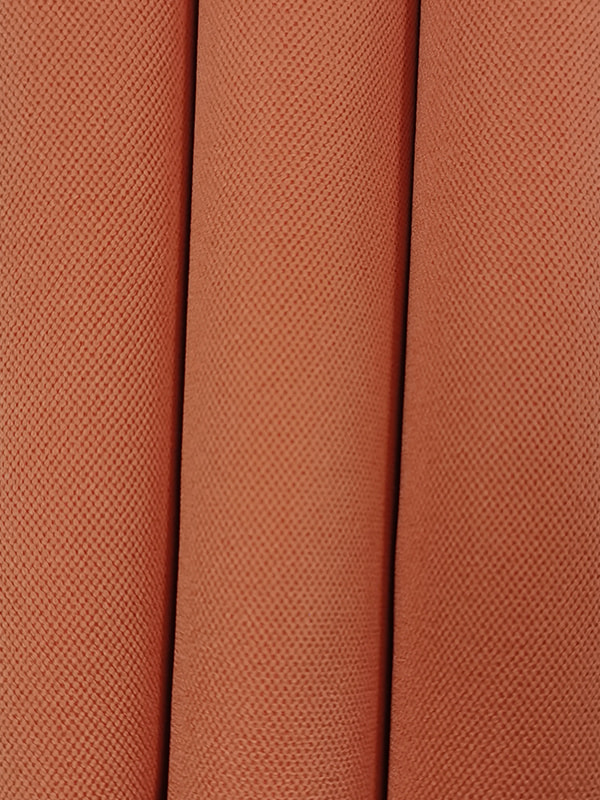
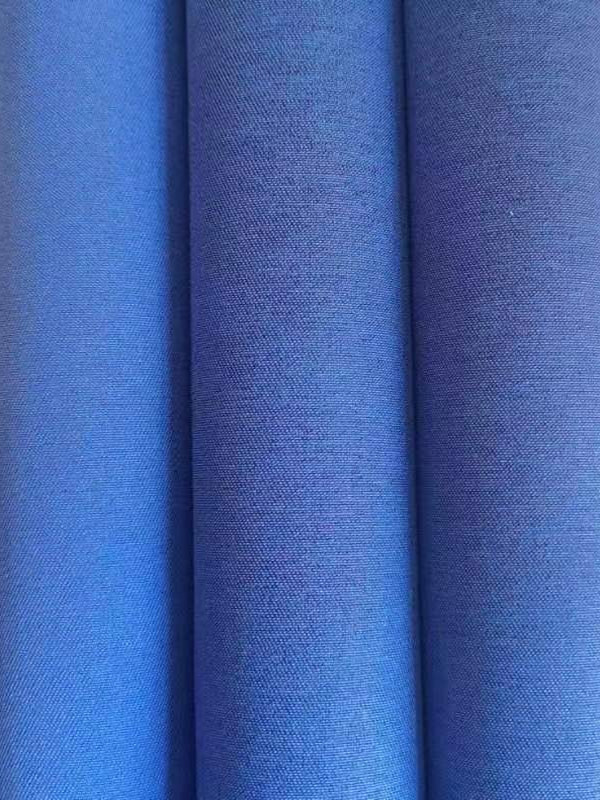
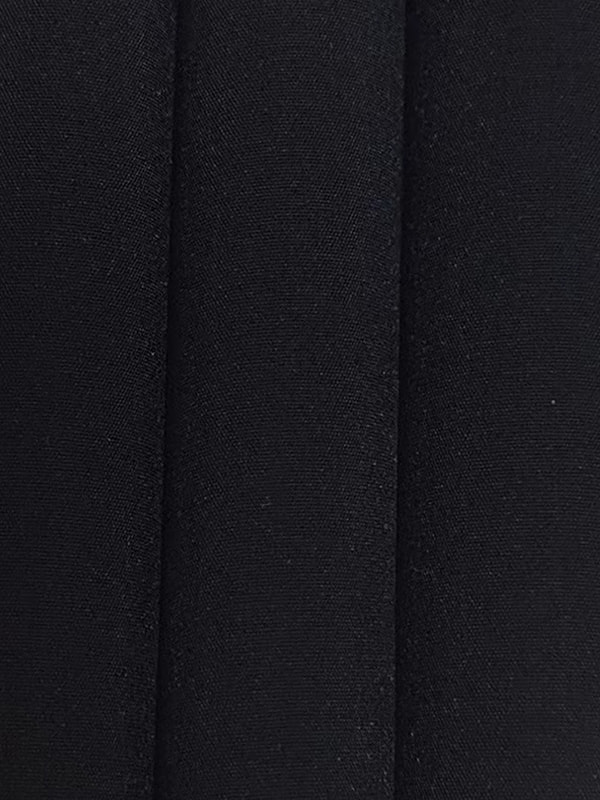 Plain Weave Recycled Polyester T400 Stretch FabricThis mechanical stretch fabric uses T400 yarn in a plain weave, offering a polyester-based solution without elastane. Its recyclable-friendly construction supports GRS certification and aligns with mono-material sourcing needs.View Product →
Redcolor's manufacturing chain is aligned with this approach. With GRS Scope Cert and a functional fabric system that includes T400 and T800, we help brands source stretch fabrics that can re-enter polyester recycling streams.
Performance Benefits That Support a Circular Life Cycle
Recyclability is not the only argument. Elastane can lose tension after repeated washing, heat exposure and wear, causing garments to lose their shape. Mechanical stretch fabrics behave differently because their elasticity is built into the yarn structure rather than added as a separate component.
Polyester-based mechanical stretch fabrics also tend to be breathable and lightweight. The open crimped structure allows air to circulate, making the fabric comfortable in active wear. From a design perspective, they can be dyed, printed and finished in familiar polyester workflows, which is a practical advantage for mills and brands.
Longer garment life is itself an environmental benefit. A fabric that holds its shape reduces the frequency of replacement and keeps textiles in use for a longer period.
Designing for Recyclability: What Brands and Mills Should Do
To benefit from the recyclability of mechanical stretch woven fabrics, design choices matter. The first step is to specify a stretch fabric that does not contain elastane. The second is to avoid mixing incompatible fibres. This is especially important when adding membranes or coatings, because a truly mono-material fabric is the easiest to recycle.
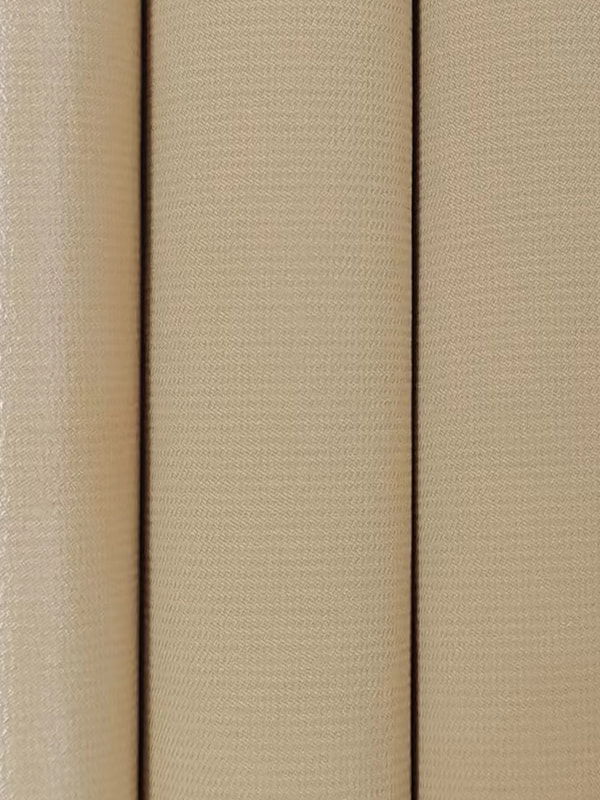
Air-transformer T400 stretch fabric, for example, uses textured T400 yarn to create stretch while staying polyester-based. It shows how recyclable-oriented thinking can be applied to a woven construction.
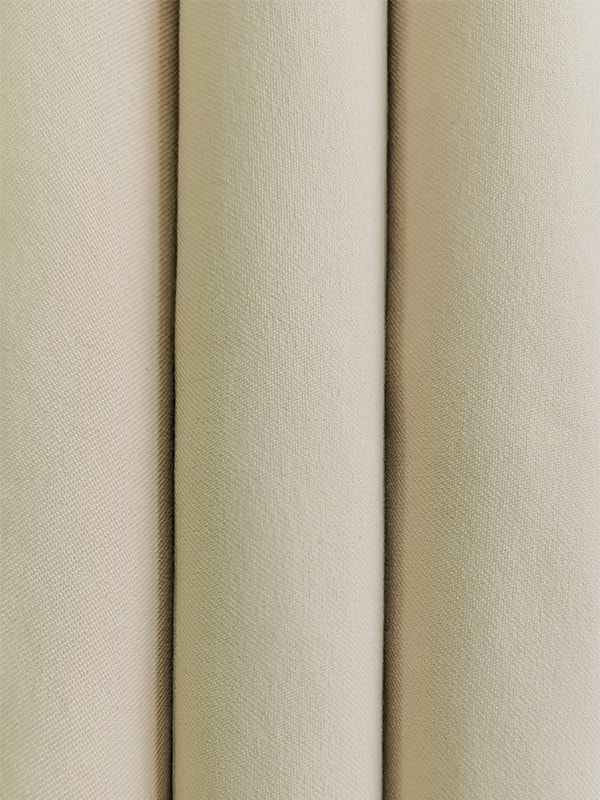 2/1 Twill T400 Stretch Fabric with Air-Textured YarnFeaturing air-textured T400 yarn in a 2/1 twill weave, this fabric delivers a soft hand and shape retention. Suitable for business-casual trousers, it also provides waterproofing while maintaining a polyester-based mechanical stretch design.View Product →
Brands that currently use elastane blends can often replace them with mechanical stretch versions of similar hand-feel and recovery. Working with a supplier that understands mono-material stretch construction makes the transition smoother.
Frequently Asked Questions
Q1: Is mechanical stretch fabric as comfortable as elastane blends?
Yes, in most apparel applications. The crimped polyester filaments provide softness and flexibility, while the open structure keeps the fabric breathable and light.
Q2: Can T400 and T800 fabrics be recycled with ordinary polyester?
Yes, if they remain free from elastane and other incompatible fibres. T400 and T800 are polyester-based, so they can be sorted into the ordinary PET polyester stream in standard recycling processes.
Q3: Are mechanical stretch woven fabrics more expensive than elastane blends?
Material prices vary by construction, but the lifecycle cost can be lower. Better durability and easier recyclability make the total cost of ownership more competitive.
Q4: Does mechanical stretch lose its elasticity over time?
Generally less than elastane. The crimp is part of the yarn structure, so it does not degrade as quickly as polyurethane elastane under washing, heat and movement.
Conclusion
Mechanical stretch woven fabrics solve the biggest obstacle to textile recycling by removing elastane from the equation. They give products the stretch consumers expect and the material purity recyclers need. For brands building circular collections, this is one of the most practical decisions available today.
To put this into practice, choose a functional textile manufacturer that can offer traceable, elastane-free stretch fabrics and document their recycled content.
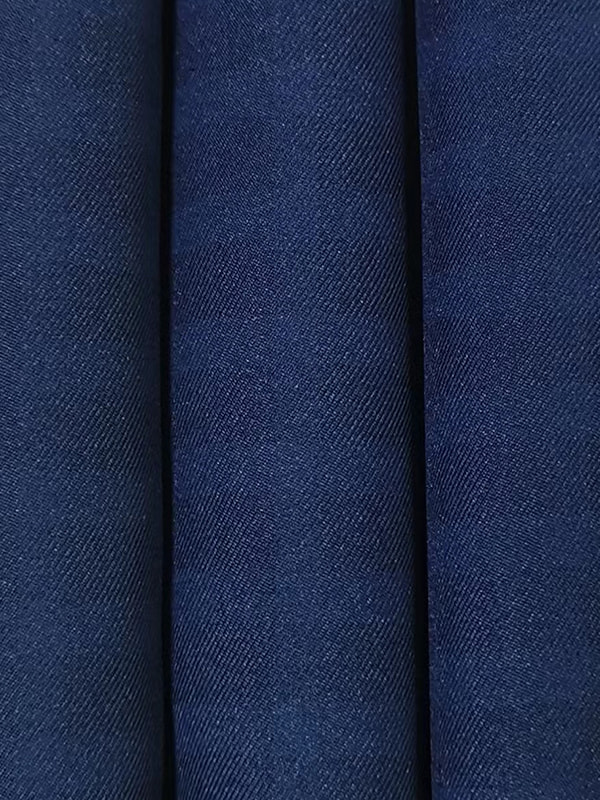


Contact Us for More Details
Don't hesitate to contact when you need us!
Product Categories
Contact Information
-
NO.1 Huanhu Road(Building I)Pingwang, Wu Jiang, Suzhou, Jiangsu, China
-
+86-13962557213
-
+86-512-80739991-801
-
+86-512-80739990
