

 English
 中文简体
中文简体
Understanding Double Woven Fabric: Properties, Uses, and Care
2025-12-11
Content
- 1 What is Double Woven Fabric
- 2 Key Properties of Double Woven Fabric
- 3 Common Applications of Double Woven Fabric
- 4 Caring for Double Woven Fabric
- 5 Double Woven Fabric vs Single Layer Fabric — A Comparison
- 6 How to Choose the Right Double Woven Fabric
- 7
- 8 FAQ
- 8.1 What is the difference between “double woven fabric” and “bilayer woven fabric”?
- 8.2 Is double woven fabric good for upholstery compared to single‑layer fabric?
- 8.3 How should I clean and maintain double woven fabric items?
- 8.4 Can double woven fabric be too heavy or rigid for clothing?
- 8.5 What kinds of fibers are recommended for double woven fabric to maximize comfort and performance?
What is Double Woven Fabric
Definition and basic structure
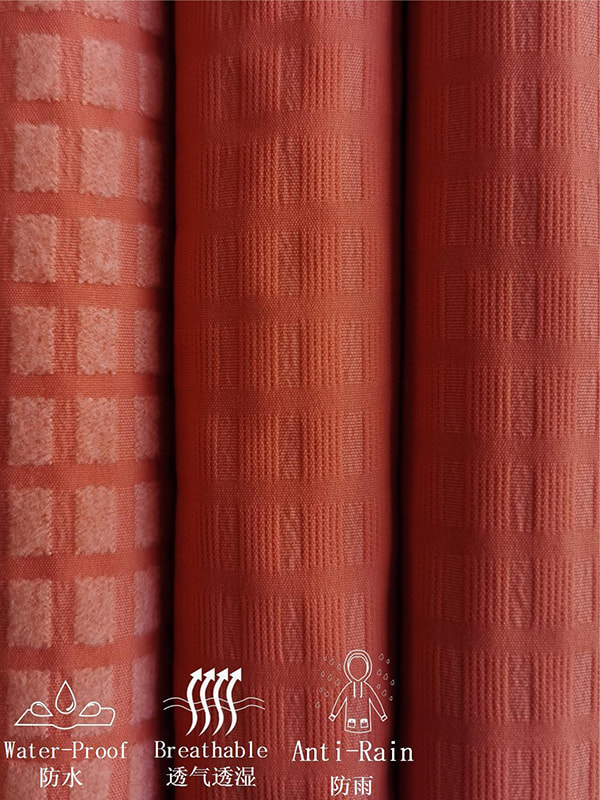
Double Woven Fabric refers to a textile constructed with two woven layers (or plies) integrated into a single fabric. Unlike a simple single‑layer weave, double woven fabrics combine two interlaced layers of warp and weft threads, resulting in a thicker, more substantial cloth. This structure can offer enhanced mechanical strength, improved insulation, and a more stable hand feel. In many cases, the two layers may be woven simultaneously on a loom so that the fabric behaves as a unified piece rather than two separate sheets.
- The two layers can be identical or composed of different yarns/materials depending on the desired properties.
- The weaving method ensures the layers do not separate easily, giving the fabric structural integrity.
- Compared to single‑layer fabrics, it offers greater weight, durability, and potential for complex performance characteristics (e.g. insulation, abrasion resistance).
How it differs from single‑layer woven fabric
Compared to a traditional single‑layer woven fabric (one warp × one weft layer), double woven fabric presents clear differences in performance and feel. The presence of two layers generally increases fabric density and weight, which affects drape, warmth, and durability. While a single‑layer fabric may suffice for lightweight apparel or simple uses, double woven fabric aims for more demanding applications requiring robustness and longevity.
- Greater thickness and weight — double woven fabric tends to be heavier and more substantial.
- Improved strength and tear resistance — better suited for upholstery or outerwear.
- Enhanced insulation and warmth potential — useful for colder climates or winter garments.
- Less drape and flexibility compared to light single‑layer fabrics — may be more rigid or structured.
Key Properties of Double Woven Fabric
Strength and durability
One of the primary advantages of double woven fabric lies in its structural strength and durability. Because of the dual-layer weave, the fabric can withstand higher stress, abrasion, and prolonged usage compared to many single‑layer woven fabrics. This makes it a popular choice for applications where longevity and resilience are crucial.
- High tensile and tear resistance — double woven fabric maintains integrity under tension and wear.
- Resistance to deformation — less prone to stretching or distortion over time.
- Longevity — suitable for items meant for heavy‑duty use, reducing the need for frequent replacement.
Thermal insulation and comfort (especially for winter clothing)
Because of its thicker structure and often greater yarn density, double woven fabric can offer enhanced thermal insulation and comfort. This makes certain variants ideal for colder-weather clothing or outerwear, where warmth retention and resistance to wind or cold are desirable. The dual‑layer weave can trap air between layers, acting as a natural insulator, while heavier yarns and denser weaving add to the warmth.
- Better insulation — suitable for winter coats, jackets, or garments intended for cold climates.
- Wind resistance — tightly woven layers reduce air penetration compared to lighter fabrics.
- Comfort and softness — depending on yarn choice (e.g. cotton, wool, or blends), the fabric can remain comfortable while providing warmth.
Suitability for upholstery and heavy‑duty use
Another common advantage of double woven fabric is its suitability for upholstery, home furnishings, and other heavy‑duty applications. The structural stability, thickness, and durability make it ideal for furniture coverings, heavy drapery, or other items subject to frequent use and wear. Its robustness ensures that the fabric retains shape and resists abrasion, making it a cost‑effective solution over time.
- Durable upholstery — sofas, chairs, cushions benefit from the strength and wear‑resistance.
- Heavy drapery and curtains — the weight helps drapes hang well and insulate rooms.
- Industrial or utilitarian textile products — when durability and longevity are prioritized over lightness.
Common Applications of Double Woven Fabric
Upholstery and home furnishings
Given its strength, density, and durability, double woven fabric is frequently used in upholstery and home furnishing applications. Furniture coverings — such as sofas, armchairs, cushions — benefit from the robust structure, ability to resist wear, and long-term durability. Likewise, heavier drapery, curtains, and decorative home textiles often employ double woven fabrics to give a premium feel and functional longevity.
- Sofas, chairs, and cushions that endure daily use and friction.
- Curtains and drapes — for both aesthetic weight and practical insulation.
- Home décor textiles that require structural stability and resistance to wear.
Winter clothing and outerwear
Because of its insulation and structural properties, double woven fabric is well-suited for winter clothing or outerwear. When combined with suitable yarns (e.g. wool, heavy cotton, or synthetic blends), it can provide warmth, wind resistance, and a structured drape — all desirable qualities for coats, jackets, and winter wear. For situations requiring durability and comfort in cold weather, double woven variants often outperform lighter, single‑layer fabrics.
- Coats, jackets, overcoats — garments needing warmth and wind protection.
- Winter skirts or structured garments where thickness and shape retention matter.
- Cold‑weather accessories or layered clothing that benefit from insulation without bulk.
Other specialized uses
Beyond common upholstery and clothing, double woven fabric can be utilized in specialized textile applications requiring tailored performance — for instance, heavy‑duty bags, protective covers, or industrial textiles. Its dual-layer weave and potential for mixed-material layering enable flexibility in performance design, offering opportunities to balance durability, insulation, and comfort depending on the use case.
- Bags, backpacks, or protective covers needing sturdy, resistant fabric.
- Industrial textile applications where abrasion resistance and structural stability are required.
- Custom textile solutions combining different yarns — for instance, blending natural and synthetic fibers for specific functional needs.
Caring for Double Woven Fabric
General maintenance and cleaning tips
Proper care of double woven fabric ensures its longevity, preserves its structural integrity, and maintains its appearance. Because the fabric is thicker and denser, cleaning and washing protocols might differ from lightweight fabrics, and extra care is often needed to avoid shrinking, distortion, or wear. Following the right maintenance steps helps keep both layers intact and avoids damage over time.
- Use mild detergent and gentle washing cycles (preferably hand-wash or delicate machine wash) to avoid stress on the weave.
- Avoid high‑heat drying — air drying or low‑heat drying preserves fabric structure better.
- For upholstery — rotate cushions and avoid prolonged direct sunlight to prevent fading or weakening of fibers.
- Inspect periodically for wear, especially on high‑friction zones, and repair seams or stitching if needed.
Long-term preservation (storage, resisting wear)
For long-term preservation of items made with double woven fabric, adopting proper storage and usage habits is important. Due to its heavier weight and layered structure, improper storage or rough usage could lead to deformation, flattening, or fiber damage over time. Careful handling maximizes the lifespan of the fabric and keeps it performing as intended.
- Store in a cool, dry place to prevent moisture buildup and mildew — avoid damp basements or humid conditions.
- If folding garments or fabric items — fold along natural seams or creases rather than compressing layers — to reduce stress on weave layers.
- For upholstery — avoid placing heavy, sharp objects on fabric surface which may abrade or tear fibers.
- Occasionally air out textile items to reduce mustiness and preserve fiber resilience.
Double Woven Fabric vs Single Layer Fabric — A Comparison
Performance differences
When evaluating double woven fabric against traditional single‑layer woven fabric, the differences become evident in performance metrics such as strength, insulation, drape, and durability. Although single‑layer fabrics can be lighter, easier to drape, and often cheaper, they typically lack the robustness and multi‑layer benefits of double woven fabrics. For many demanding applications, the extra cost and weight of double woven fabric deliver tangible long-term benefits.
- Strength & durability: double woven fabric is less likely to tear or wear out compared to single‑layer.
- Insulation & warmth: double woven offers better thermal performance for winter clothing or heavy textiles.
- Weight & drape: single‑layer fabrics are lighter and drape more freely; double woven tends toward heavier and more structured feel.
- Cost vs value: while single layer may cost less, double woven often provides greater longevity and performance, making it more cost‑effective over time.
Cost vs value analysis
Although manufacturing and raw‑material costs for double woven fabric tend to be higher than for single‑layer fabric, the value proposition — in terms of durability, longevity, performance, and versatility — often outweighs the extra upfront cost. For high‑use items (furniture, winter garments, heavy‑duty textiles), double woven fabric can provide better return on investment over time.
| Aspect | Single‑Layer Fabric | Double Woven Fabric |
| Weight & Thickness | Light, thin | Heavy, thick |
| Durability | Moderate | High |
| Warmth / Insulation | Low to moderate | High |
| Cost (initial) | Lower | Higher |
| Value over time | Lower (frequent replacement) | Higher (long-term use) |
How to Choose the Right Double Woven Fabric
Based on intended use (upholstery / clothing / etc.)
Choosing the right variant of double woven fabric depends heavily on how you plan to use it — whether for upholstery, clothing, heavy‑duty items, or specialized textile solutions. Considering factors like wear frequency, exposure to stress or friction, insulation needs, and desired appearance will guide your selection. By aligning fabric properties with intended application, you maximize performance and longevity.
- For upholstery: prefer heavier, tightly woven variants offering abrasion resistance and structural stability.
- For winter clothing: choose double woven fabric with good insulation properties, possibly combined with warm fibers (wool, heavy cotton, blends).
- For home textiles (drapes, cushions): balance weight, drape, and durability depending on aesthetic and functional requirements.
- For specialized or industrial uses: consider custom yarn blends and weaving techniques to optimize required performance (durability, water resistance, insulation, etc.).
Based on fiber/material and weave quality
The performance of double woven fabric also depends on the fibers and weaving quality. Even though the double‑layer structure offers inherent advantages, the choice of yarn (natural vs synthetic), fiber density, weave tightness, and workmanship significantly influence final properties. It’s essential to assess these parameters carefully when selecting fabric for specific applications.
- Fiber type: natural fibers (cotton, wool) may provide comfort and breathability, synthetic fibers may offer durability and easier maintenance.
- Weave density: tighter weave increases strength and insulation, but may reduce breathability and drape.
- Workmanship and finishing: quality finishing helps avoid issues like delamination between layers or uneven wear.
- Balance between performance attributes — sometimes a compromise between durability, comfort, weight, and cost is necessary depending on intended use.
FAQ
What is the difference between “double woven fabric” and “bilayer woven fabric”?
While the terms may sometimes be used interchangeably in textile discussions, “double woven fabric” typically refers to a single fabric constructed with two integrated woven layers, whereas “bilayer woven fabric” may emphasize the presence of two distinct layers which may or may not be fully integrated. In practice, many high‑quality double woven fabrics are effectively bilayer — but the manufacturing technique, integration quality, and intended use distinguish them. For SEO and content purposes, using double woven fabric as a core term allows targeting audiences interested in structured, durable textiles rather than simply a fabric with two layers loosely joined.
Is double woven fabric good for upholstery compared to single‑layer fabric?
Yes — for upholstery, double woven fabric often outperforms single‑layer fabric in durability, resistance to wear, and longevity. Because of its heavier weight, structural stability, and resistance to abrasion, double woven fabric is particularly well‑suited for couches, chairs, cushions, and other furniture that face frequent use. Although the initial cost may be higher than single‑layer alternatives, the longer lifespan and better performance typically justify the investment.
How should I clean and maintain double woven fabric items?
To preserve the integrity of double woven fabric, cleaning should be done gently, using mild detergents and delicate wash cycles or hand‑washing when possible. High‑heat drying should be avoided to prevent shrinkage or distortion of the weave. For upholstery items, regular rotation, avoiding prolonged direct sunlight, and periodic inspections for wear are recommended. Proper storage — in cool, dry places — helps prevent moisture damage and prolongs fabric life.
Can double woven fabric be too heavy or rigid for clothing?
Yes — because double woven fabric is inherently heavier and thicker than single‑layer fabric, certain variants may feel bulky or rigid when used for garments, especially lightweight apparel. That means it’s more appropriate for structured outerwear, coats, or heavy garments rather than soft, flowing clothes. When choosing fabric for clothing, one must balance insulation, durability, and comfort depending on style and use.
What kinds of fibers are recommended for double woven fabric to maximize comfort and performance?
The choice of fiber significantly affects the comfort, performance, and maintenance of double woven fabric. Natural fibers such as cotton or wool often provide breathability, softness, and comfort — suitable for garments or home textiles. Synthetic fibers might offer enhanced durability, easier cleaning, and greater resistance to wear or environmental stress. For balanced performance (durability + comfort), a blend is often ideal: for example, heavy cotton blends or mixed natural‑synthetic yarns. Selecting weave density and finishing quality appropriately ensures optimal performance for the intended use.
Contact Us for More Details
Don't hesitate to contact when you need us!
Product Categories
Contact Information
-
NO.1 Huanhu Road(Building I)Pingwang, Wu Jiang, Suzhou, Jiangsu, China
-
+86-13962557213
-
+86-512-80739991-801
-
+86-512-80739990
