
 English
 中文简体
中文简体
What Are the Key Advantages of T400 Stretch Fabric for Sportswear?
2026-01-20
Content
Beyond Basic Spandex: Why T400 Fabric is a Game-Changer for Activewear
The landscape of performance textiles is constantly evolving, with materials science pushing the boundaries of what sportswear can achieve. Among the innovative fibers gaining significant traction, T400 stretch fabric stands out as a formidable engineered solution designed to address the multifaceted demands of modern athletes and fitness enthusiasts. Moving beyond the limitations of traditional elastane or single-component polyester blends, T400 represents a sophisticated, multi-filament fiber that offers a unique synergy of recovery, durability, and comfort. Its growing adoption in high-performance apparel is not a coincidence but a response to specific needs for longevity and consistent performance. This article delves deep into the key advantages of this material, exploring its technical merits and practical benefits that justify its position as a premium choice for sportswear manufacturers and consumers who prioritize long-term value and uncompromising performance in their activewear.
Unmatched Durability and Shape Retention
One of the most critical yet often overlooked aspects of performance fabric is its ability to maintain its original shape and compressive properties over time and after repeated use. This is precisely where T400 fabric establishes a significant advantage over conventional stretch materials.
The Science of Long-Lasting Elasticity
T400 is not a simple, single-polymer fiber like standard spandex (also known as elastane or Lycra). It is a bi-component fiber, typically engineered from a sophisticated combination of polyester and polyethene terephthalate (PTT). This dual-component structure is key to its superior durability. The fibers are designed to work in tandem, where one component provides a robust structural backbone while the other offers a powerful, molecular-level spring-like action. This built-in resilience means the fabric can withstand thousands of stretch and recovery cycles with minimal degradation. Unlike standard spandex, which can permanently deform or "bag out" after extensive wear and washing, T400's recovery mechanism is more robust and inherent to its molecular architecture. The result is sportswear that looks new for longer, maintaining a sleek, supportive fit that doesn't sag at the knees or elbows, a common failure point in lesser-quality leggings or athletic tops.
Resistance to Common Stressors
Activewear faces a harsh environment: intense physical activity, frequent laundering (often in harsh detergents), exposure to chlorine, sweat, and sunlight. T400 is engineered to resist these elements. Its polyester-based core grants it excellent resistance to chlorine degradation compared to pure spandex, making it an outstanding choice for swimwear and apparel used in poolside training. Furthermore, its resilience to oils and lotions, commonly found in sunscreens, prevents the fiber breakdown that can occur with other elastomeric materials. The colorfastness of dyes used with T400 fibers is also superior, as the dye bonds effectively to the polyester components, ensuring that vibrant prints and solid colors resist fading from both UV exposure and repeated washing. This multifaceted durability directly translates to a longer functional lifespan for the garment, reducing the need for frequent replacements and offering better value for money.
T400 vs. Traditional Spandex Blends: A Durability Comparison
The following table contrasts the performance of T400-based fabric with a typical polyester-spandex blend in key durability metrics:
| Durability Metric | T400 Stretch Fabric | Standard Polyester-Spandex Blend |
|---|---|---|
| Shape Recovery after 100+ wears | Excellent; maintains over 95% of original shape and compression. | Good to Fair; may show permanent deformation (bagging) at stress points. |
| Chlorine Resistance | High; minimal degradation from prolonged chlorine exposure. | Low to Moderate; spandex fibers can become brittle and break down. |
| UV & Color Fading Resistance | High; excellent color retention due to strong dye bonds. | Moderate; colors may fade with extensive sun exposure and washing. |
| Pilling Resistance | Very High; smooth fiber surface minimizes friction pilling. | Moderate; can pill in high-friction areas (inner thighs, under arms). |
| Long-Term Elasticity Loss | Minimal loss over the garment's lifespan. | Gradual loss; elastic fibers can lose their "snap" over time. |
This comparison clearly illustrates why garments utilizing durable T400 fabric for high-intensity workouts are becoming the preferred choice for consumers seeking longevity. The investment in a piece made with T400 is protected by its inherent resistance to the very factors that typically shorten the life of activewear.
Superior Comfort and Adaptive Movement
Durability means little if the fabric is not comfortable to wear. T400 excels in providing a wearing experience that is both supportive and liberating, adapting seamlessly to the dynamic movements of the body.
Dynamic Fit and Freedom of Motion
The stretch profile of T400 is distinct. It offers what textile engineers call "power stretch" – a firm, supportive elasticity that provides muscle compression and support – but without the constricting feel of some power-net materials. Simultaneously, it has excellent "comfort stretch," allowing for an expansive range of motion. This dual-stretch characteristic means that whether you are in a deep yoga lunge, reaching for a tennis serve, or in the middle of a cycling sprint, the fabric moves with you, not against you. It provides a second-skin feel that is secure but never restrictive. This adaptive quality is crucial for moisture-wicking T400 athletic wear, as it ensures the fabric maintains consistent contact with the skin to efficiently pull sweat away, without gaping or binding during complex movements. The recovery is smooth and consistent, so the garment doesn't feel like it's "fighting" to return to its original state, which can create uncomfortable pressure points.
Next-to-Skin Sensation and Temperature Regulation
The filament construction of T400 can be engineered to create very fine, smooth yarns. When woven or knitted, these yarns produce a fabric face that is exceptionally soft and smooth against the skin, reducing the potential for chafing and irritation during prolonged activity. Furthermore, the inherent properties of the polyester components facilitate excellent moisture management. Polyester is hydrophobic, meaning it repels water. In a fabric construction, this allows sweat to be quickly wicked from the skin's surface to the outer layer of the fabric, where it can spread out and evaporate rapidly. This keeps the wearer drier and more comfortable. While the fabric itself is not inherently insulating, the dryness it maintains helps regulate body temperature more effectively; a dry body stays cooler when hot and warmer when cold compared to a damp, sweat-saturated one. The overall comfort equation is therefore solved by a combination of softness, adaptive fit, and effective moisture handling, making it suitable for everything from a hot yoga session to a long-distance run.
Performance-Enhancing Functional Benefits
Modern sportswear is expected to do more than just cover the body; it should actively contribute to athletic performance. T400 fabric is integrated into designs that offer tangible functional advantages.
Targeted Compression and Muscle Support
The firm yet elastic nature of T400 makes it an ideal candidate for garments designed to offer graduated compression. This is not just about a tight fit; strategic paneling and sewing with T400 fabric can create garments that apply precise pressure to muscle groups. The benefits of such compression in sportswear are widely studied and can include:
- Enhanced blood circulation, potentially improving oxygen delivery to muscles and reducing fatigue.
- Increased proprioception – the body's awareness of its position in space – which can improve form and technique.
- Reduced muscle oscillation (vibration) during impact activities like running, which may decrease muscle fatigue and soreness.
- Faster recovery post-exercise by supporting muscle tissue.
The durability of T400 ensures that this compressive benefit does not diminish significantly after multiple washes, which is a common flaw in cheaper compression wear. This makes it a reliable choice for athletes who depend on consistent support.
Moisture Management and Quick-Drying Properties
As a cornerstone of its performance profile, the moisture-wicking capability of T400-based fabrics is paramount. The process is highly efficient:
- During exertion, sweat is produced on the skin.
- The hydrophobic polyester elements in T400 repel the moisture, pulling it away from the skin through capillary action in the fabric's tiny channels.
- The moisture is transported to the outer surface of the fabric, where it spreads across a large area.
- This increased surface area accelerates evaporation, leaving the skin feeling dry and the garment lightweight.
This quick-drying characteristic is essential for maintaining comfort during sustained activity and is particularly valuable for activities with breaks or transitions, such as hiking, tennis, or circuit training. Unlike cotton, which absorbs moisture and becomes heavy and clingy, breathable T400 material for running gear manages moisture without absorbing it, ensuring the garment's performance is not compromised by sweat. This focus on moisture management directly supports thermoregulation, keeping the body in its optimal temperature zone for performance.
Ideal Applications in the Sportswear Wardrobe
The versatile properties of T400 fabric make it suitable for a wide array of sportswear categories, each benefiting from its unique combination of strengths.
High-Impact and Precision Activity Apparel
For activities that demand both explosive movement and durable, supportive fabric, T400 is an excellent base. This includes:
- Running Tights and Shorts: The combination of muscle support, superior moisture-wicking, and exceptional shape retention makes it ideal for running. Tights won't slip or sag during a long run, and shorts maintain their fit without chafing.
- Cycling Apparel: The need for aerodynamic, compressive fits that withstand constant friction and repetitive motion aligns perfectly with T400's durability and elastic recovery.
- Training and Gym Wear: For high-intensity interval training (HIIT), weightlifting, or CrossFit, where fabrics are subjected to extreme stretching, abrasion from equipment, and intense sweat, the resilience of T400 ensures the garment survives the rigors of daily training.
In these contexts, the fabric's ability to provide consistent performance wash after wash is a major selling point for consumers tired of replacing worn-out gear.
Flexibility-Focused and Layering Pieces
Beyond high-impact uses, T400's comfort and adaptability shine in other areas:
- Yoga and Pilates Wear: The four-way stretch and soft hand feel allow for unrestricted movement in poses, while the moisture-wicking properties manage perspiration during heated sessions. The T400 fabric benefits for yoga pants are particularly evident in their ability to retain opacity and shape even in deep stretches, providing both performance and peace of mind.
- Sports Bras and Tops: The fabric can provide the necessary support and compression in sports bras while remaining comfortable against the skin. In athletic tops, it offers a sleek fit that moves with the torso during twisting and bending motions.
- Base Layers and Lightweight Jackets: When used in layered systems, its moisture-wicking property becomes crucial for moving sweat away from the body to outer layers, keeping the wearer dry and comfortable during variable intensity workouts. The search for the best T400 fabric for outdoor training often leads to these layered garments, where managing micro-climates against the skin is essential for comfort in changing weather conditions.
A Sustainable and Practical Choice for Consumers
In today's market, performance is increasingly evaluated alongside practicality and environmental impact. T400 fabric aligns with several of these broader consumer values.
Longevity as a Form of Sustainability
The most sustainable garment is the one that lasts for years and doesn't need to be replaced frequently. The exceptional durability and shape retention of T400 fabric directly contribute to a longer product lifecycle. By resisting common causes of activewear failure—such as loss of elasticity, color fading, and pilling—garments made with T400 reduce waste and the demand for constant new production. This durability makes it a smart, long-term investment for the consumer's wallet and a more responsible choice from a resource perspective. While the production of any synthetic fiber has an environmental footprint, extending the usable life of a garment significantly offsets its initial impact.
Easy Care and Maintenance
Despite its high-performance pedigree, T400 fabric is remarkably low-maintenance. Its robust construction means it is generally machine washable and can tolerate standard laundry cycles without requiring special treatment. The colorfastness and resistance to chlorine and oils reduce the need for separate, gentle washing or fear of damage from sunscreen or pool chemicals. This practicality is a significant advantage for active individuals who need their gear to be ready for action without demanding high-maintenance care routines. The fabric's quick-drying nature also means it air-dries rapidly, reducing reliance on energy-consuming dryers.
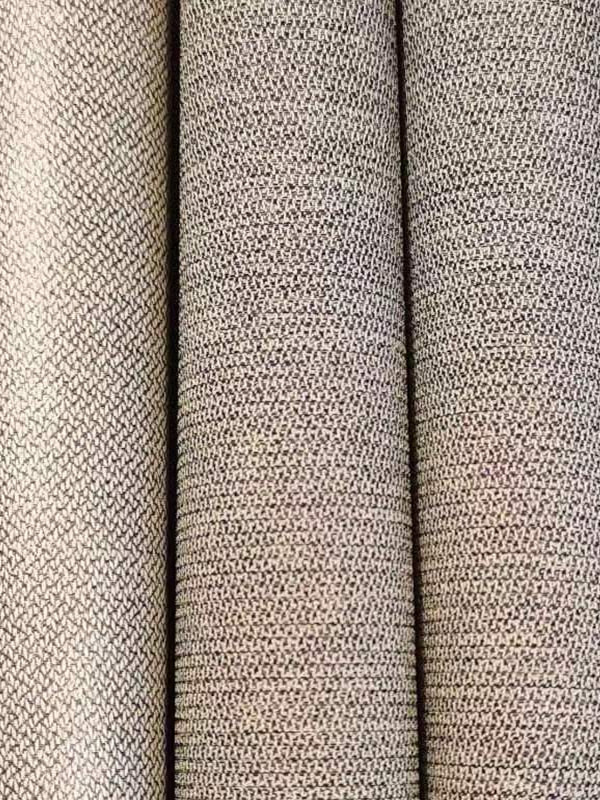
Making an Informed Choice
When selecting sportswear, looking beyond generic "stretch" or "moisture-wicking" labels is key. Identifying T400 or similar advanced bi-component fibers on the garment's content label is a strong indicator of quality construction focused on longevity and consistent performance. Its advantages in durability, comfort, and functional support make it a compelling choice for anyone serious about their athletic pursuits and the value of their apparel investment. From providing the necessary support for durable T400 fabric for high-intensity workouts to ensuring comfort and flexibility in a yoga studio, this engineered material proves that intelligent fabric technology is fundamental to enhancing the entire experience of movement and sport.
Contact Us for More Details
Don't hesitate to contact when you need us!
Product Categories
Contact Information
-
NO.1 Huanhu Road(Building I)Pingwang, Wu Jiang, Suzhou, Jiangsu, China
-
+86-13962557213
-
+86-512-80739991-801
-
+86-512-80739990
