
 English
 中文简体
中文简体
What is T400 Stretch Fabric?
2026-02-24
In the evolving landscape of textile engineering, the demand for materials that combine comfort with high-performance durability has never been greater. Enter T400 Stretch Fabric, a revolutionary fiber technology that has redefined the standards for stretchable textiles. Unlike traditional elastic fibers that rely heavily on rubber or spandex, T400 is a multi-component fiber made from a distinct blend of polymers. This innovative composition creates a spring-like structure that provides exceptional stretch and recovery properties without the limitations often associated with conventional elastane. As industries ranging from fashion to sportswear seek materials that offer superior fit and shape retention, understanding the technical advantages and applications of this fabric becomes essential for manufacturers and designers alike.
Content
Understanding the Composition and Properties of T400
The textile market is constantly shifting towards fabrics that offer a "hand feel" that is soft to the touch while maintaining structural integrity. The polyester T400 fabric properties make it a standout choice for high-end apparel. The core of this technology lies in its unique bicomponent structure, typically combining PET (Polyethylene Terephthalate) and PTT (Polytrimethylene Terephthalate). This combination allows the fiber to stretch and recover effectively, providing a comfortable, "memory" fit that resists bagging and sagging even after prolonged wear. Furthermore, because the stretch is inherent to the fiber itself rather than added as a separate yarn, the fabric offers a softer, silkier drape compared to harder spandex blends.
- Exceptional elasticity and recovery: Returns to original shape after stretching.
- Soft touch and drape: Offers a luxurious feel suitable for body-contact garments.
- Chlorine resistance: Maintains integrity even when exposed to pool chemicals or harsh washing.
- Moisture wicking: Keeps the wearer dry by moving moisture away from the skin.
- Easy care: Resists wrinkles and is easy to wash and dry.
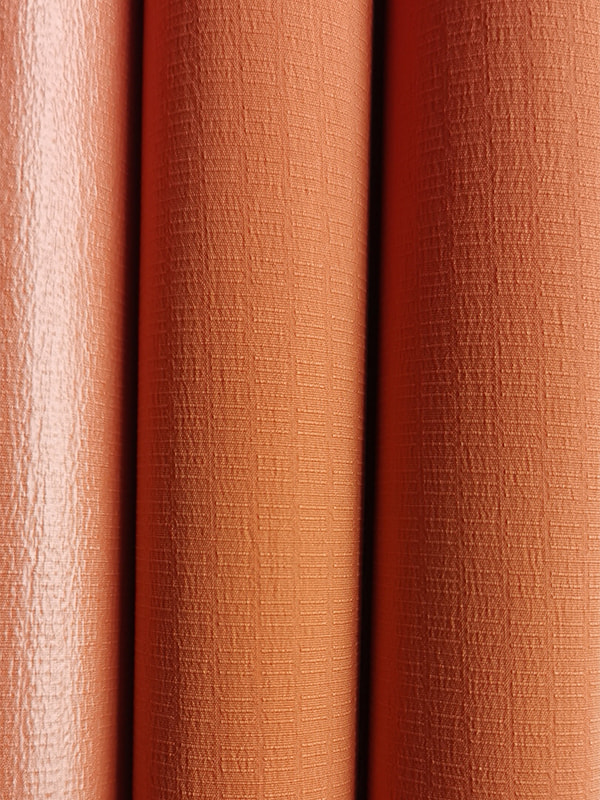
T400 Stretch Fabric Composition: What Makes It Unique?
The T400 Stretch Fabric composition is scientifically engineered to overcome the weaknesses of traditional elastane. While spandex provides stretch, it can degrade over time, especially when exposed to high heat or chlorine. T400, conversely, utilizes the mechanical properties of its two distinct polymers. When subjected to heat during the texturing process, these polymers shrink at different rates, creating a permanent, helical crimp within the fiber. This natural crimp is the secret behind its stretch, eliminating the need for bare elastane yarns that can cause stiffness or "rubber band" feelings. This results in a fabric that is not only durable but also incredibly comfortable against the skin.
| Component A | Standard Polyester (PET) providing strength and durability. |
| Component B | Polytrimethylene Terephthalate (PTT) providing elastic recovery. |
| Result | A self-crimping fiber offering natural stretch without spandex. |
Polyester T400 Fabric Properties: Durability and Recovery
When evaluating polyester T400 fabric properties, one must look beyond just the ability to stretch. The true value proposition lies in the fabric's longevity and dimensional stability. Traditional stretch fabrics often lose their elasticity after multiple washes, leading to knees bagging out in pants or waistbands becoming loose. T400 fibers are inherently resilient. They resist the degradation caused by UV exposure, body oils, and high-temperature industrial laundering. This makes the fabric an ideal candidate for uniforms, activewear, and daily fashion that requires a "ready-to-wear" look straight out of the dryer.
- Dimensional Stability: Minimal shrinkage or growth after washing.
- Chemical Resistance: Withstands exposure to lotions, detergents, and perspiration.
- Color Fastness: Holds dye vibrantly and resists fading from sunlight.
- Pilling Resistance: Maintains a smooth surface appearance over time.
T400 vs. Spandex Fabric: Key Differences Explained
Designers and procurement officers frequently debate the merits of T400 vs Spandex fabric when selecting materials for their collections. While both provide elasticity, the mechanisms and end-user benefits differ significantly. Spandex (or elastane) is an elastomeric fiber that can stretch 500% without breaking and return to its original length. However, it is rarely used alone; it is usually wrapped with another fiber. T400, on the other hand, is a texturized filament that provides a moderate stretch (typically 20-50%) but with a much softer hand and better processing characteristics. The debate often centers on the desired "hand feel," the intended use environment, and cost considerations regarding production efficiency.
Spandex is known for high power stretch, essential for compression garments or competitive swimwear. However, it can be susceptible to degradation from chlorine and high heat. T400 offers a more "gentle" stretch that is often described as "comfort stretch" rather than "power stretch." It feels more like a natural fiber moving with the body. Additionally, because T400 does not require the careful handling and tension control that bare spandex does during the knitting or weaving process, it can often be processed more efficiently on standard textile machinery, reducing production waste.
| Feature | T400 Fiber | Traditional Spandex |
| Stretch Type | Comfort stretch (gentle recovery) | Power stretch (high recovery) |
| Hand Feel | Soft, natural, silk-like | Can be rubbery or stiff |
| Chlorine Resistance | Excellent | Poor to Moderate |
| Heat Sensitivity | High (Resists high heat) | Low (Degrades at high temps) |
| Processing Difficulty | Standard machinery friendly | Requires specialized handling |
Comfort and Stretch Performance Comparison
In the context of T400 vs Spandex fabric, comfort is the deciding factor for most consumers. While spandex provides the necessary squeeze for shapewear, it can feel restrictive and cause a "muffling" effect where breathability is compromised. T400’s unique structure allows air to circulate more freely between fibers, enhancing breathability. This results in a garment that moves with the wearer rather than constricting them. For everyday trousers, skirts, and casual jackets, this distinction is critical. The wearer often forgets they are wearing stretch fabric at all, which is the hallmark of premium comfort.
- Breathability: T400 allows for better airflow than spandex-heavy blends.
- Freedom of Movement: Provides stretch without feeling "squeezed" or tight.
- Next-to-skin Comfort: Reduces the risk of skin irritation associated with rubber bands.
- Weight: Often lighter than fabrics requiring heavy spandex covering.
Longevity and Care Advantages of T400
From a product lifecycle perspective, the durability of T400 vs Spandex fabric favors T400 significantly. Spandex fibers are prone to breaking down when exposed to the high temperatures of commercial dryers or the chlorine in swimming pools. This degradation manifests as loose waistbands or sagging fabric. T400, being a variant of polyester, inherits the polymer's toughness. It stands up to rigorous industrial washing cycles and maintains its elasticity far longer than spandex blends. This longevity translates to higher customer satisfaction and fewer returns due to fit issues.
- Wash Durability: Survives high-temperature industrial laundering.
- Shape Retention: Keeps garments looking new for longer periods.
- Reduced Maintenance: Less prone to damage during ironing or pressing.
Versatile Applications: From Jeans to Activewear
The versatility of T400 Stretch Fabric has allowed it to permeate various segments of the apparel industry. Its ability to mimic the comfort of natural fibers while adding functional stretch makes it a "hybrid" material suitable for diverse applications. From the rigors of athletic performance to the structured elegance of business casual wear, T400 serves as a bridge between functionality and fashion. Manufacturers are increasingly turning to this fabric to solve age-old problems like stiff denim or clammy sportswear.
Breathable T400 Fabric for Jeans: The Modern Solution
The denim industry has undergone a massive transformation with the introduction of breathable T400 fabric for jeans. Traditionally, adding stretch to denim involved heavy spandex, which often led to "baggy knees" after a few hours of wear. Furthermore, denim was notorious for lack of breathability. By integrating T400, denim manufacturers can create jeans that offer a "recovery" feature—they snap back into shape after sitting down. The breathable T400 fabric for jeans also addresses the thermal discomfort often associated with heavy pants, allowing moisture vapor to escape while the structure remains robust and rugged.
| Traditional Denim | Rigid, 100% cotton, zero breathability issues but restrictive. |
| Spandex Denim | Comfortable initially but prone to bagging and loss of shape. |
| T400 Denim | High recovery, breathable, maintains shape all day. |
- Shape Recovery: Jeans keep their silhouette from morning to night.
- Enhanced Comfort: Allows for ease of movement without the "stiff" feel.
- Moisture Management: Reduces the feeling of "clamminess" in warm weather.
- Lightweight Options: Allows for the creation of lighter denim weights for summer.
Soft T400 Fabric for Activewear: Enhancing Athletic Performance
In the realm of performance apparel, soft T400 fabric for activewear is setting new standards. Athletes require materials that stretch with their muscles but do not inhibit movement through weight or friction. The soft T400 fabric for activewear is engineered to provide a four-way stretch that feels like a second skin. Unlike traditional poly-spandex blends which can sometimes feel slick or synthetic, T400 variants can be engineered to have a cotton-like or peach-skin finish. This softness is crucial for garments worn for extended periods, such as running tights, yoga pants, and compression layers, ensuring that the fabric works with the athlete's body mechanics.
- Four-Way Stretch: Supports multidimensional movement.
- Moisture Wicking: Pulls sweat away from the body rapidly.
- Chafe Resistance: Soft texture minimizes friction during repetitive motion.
- Quick Drying: Ensures comfort during high-intensity interval training.
Why Choose Suzhou Redcolor International Trading Co., Ltd. as Your Partner?
Navigating the complex world of high-performance textiles requires a partner with not just product knowledge, but also deep production capabilities. Suzhou Redcolor International Trading Co., Ltd. stands at the forefront of the textile manufacturing industry, offering unparalleled expertise in T400 Stretch Fabric solutions. We understand that every client has unique specifications, and our integrated supply chain is designed to meet these precise needs with efficiency and consistency.
Integrated Production: From Spinning to Trade
The strength of Suzhou Redcolor International Trading Co., Ltd. lies in our vertical integration. We are not merely traders; we are China Custom High Performance Polyester T400 Stretch Fabric Manufacturers and China ODM/OEM High Performance Polyester T400 Stretch Fabric Suppliers with full control over our production process. Suzhou Redcolor International Trading Co., Ltd. has subsidiaries such as Suzhou LJC Textile Co., Ltd. and Wujiang Jiabaokang Textile Co., Ltd.. This structure allows us to oversee every stage of creation. It is a textile production enterprise that integrates spinning, texturing, weaving, and trade. By controlling the spinning and texturing processes, we can customize the T400 Stretch Fabric composition to achieve specific hand feels, stretch percentages, and functional finishes that generic suppliers simply cannot match.
- Spinning: In-house control over yarn quality and fiber blend.
- Texturing: Custom engineering of the fiber's crimp and elasticity.
- Weaving: Advanced looms capable of complex weaves for performance fabrics.
- Quality Control: Rigorous testing at every stage of the production chain.
Massive Production Capacity and Global Reach
Capacity and reliability are the hallmarks of a true industry leader. Suzhou Redcolor International Trading Co., Ltd. boasts an impressive infrastructure designed to handle large-scale demands without compromising on quality. The company has two production bases in Wujiang, Suzhou, and Siyang, Suqian, with an annual output of about 60 million meters of various types of textiles. This massive scale ensures that we can meet the tight deadlines and volume requirements of global brands. The textile including shell and lining materials produced by the company are sold to international and domestic markets such as the United States, Europe, and Southeast Asia. We adhere to the concept of high-quality and better products to serve every customer. Whether you need breathable T400 fabric for jeans or soft T400 fabric for activewear, our global logistics network ensures your materials arrive on time and in perfect condition.
- Annual Output: ~60 million meters ensuring supply security.
- Strategic Locations: Bases in Suzhou and Suqian for optimized logistics.
- Global Export: Established presence in the US, Europe, and Southeast Asia.
- Product Range: Expertise in both shell and lining materials.
FAQ
How does T400 fabric compare to cotton in terms of comfort?
While cotton is prized for its natural softness, it lacks elasticity and recovery. T400 combines the soft, breathable hand feel that consumers love in cotton with the added benefit of built-in stretch. Unlike pure cotton which can bag out and lose shape, T400 fabrics retain their silhouette throughout the day. Additionally, T400 dries much faster than cotton, making it a more practical choice for active lifestyles or travel.
Can T400 Stretch Fabric be used for swimwear?
Yes, T400 Stretch Fabric is an excellent choice for swimwear, particularly for leisure and beachwear styles. Unlike spandex, which degrades quickly when exposed to chlorine and saltwater, T400 is highly resistant to these elements. This means swimwear made with T400 will maintain its fit and elasticity longer, even with frequent use in pools or oceans. It is often used for board shorts and swim trunks where a lighter stretch is preferred over high compression.
Is T400 environmentally friendly?
T400 fibers can be produced using recycled PET (polyethylene terephthalate), making them a more sustainable option compared to virgin spandex. The durability of T400 also contributes to sustainability by extending the lifespan of garments; clothes that last longer and do not need to be replaced due to loss of stretch reduce the overall environmental footprint of a wardrobe. Furthermore, because T400 does not require the addition of rubber or latex, it simplifies the recycling process of blended fabrics at the end of the product's life.
What is the best way to care for garments made with T400?
Garments made with T400 Stretch Fabric are remarkably easy to care for. They are designed to withstand machine washing and drying better than spandex-blended fabrics. To maintain the longevity of the fabric, it is recommended to wash in cool to warm water and avoid excessive heat settings, although T400 is more heat-resistant than spandex. Avoiding bleach and fabric softeners will help preserve the moisture-wicking properties and the elasticity of the fibers. Generally, T400 garments require little to no ironing due to their wrinkle-resistant nature.
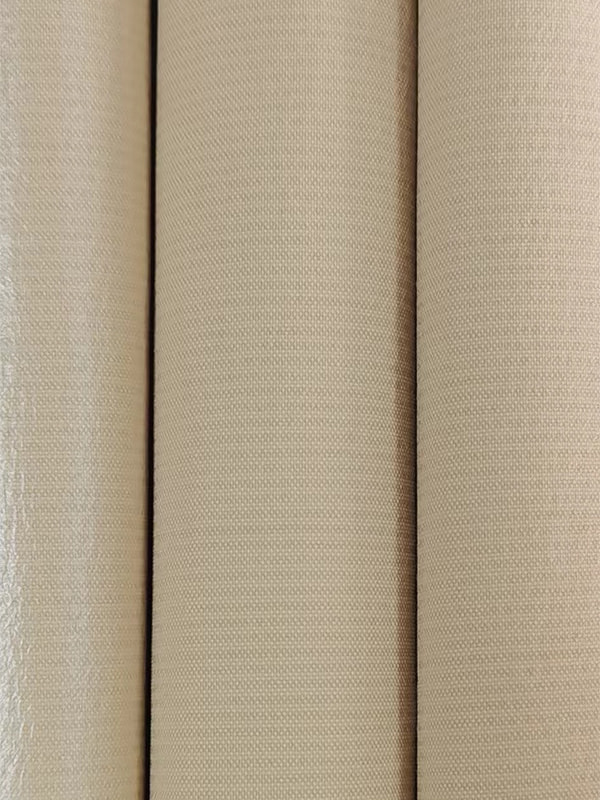
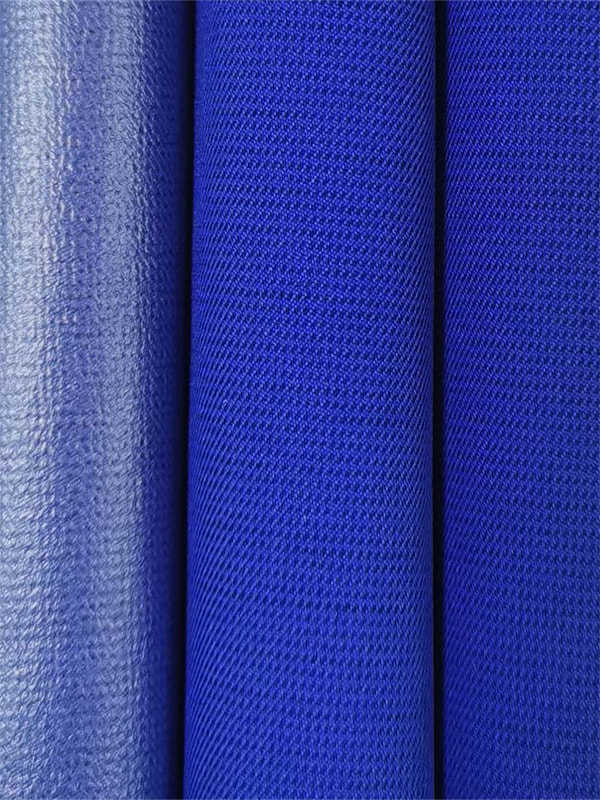
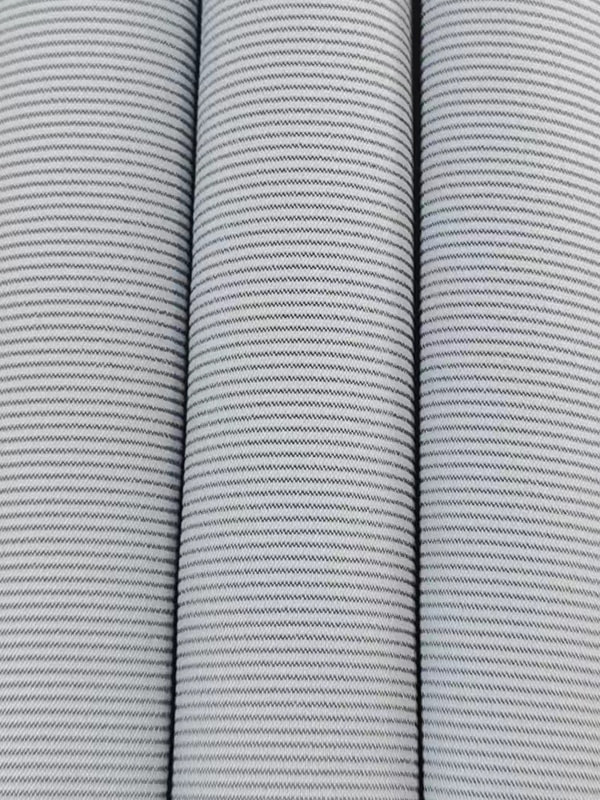
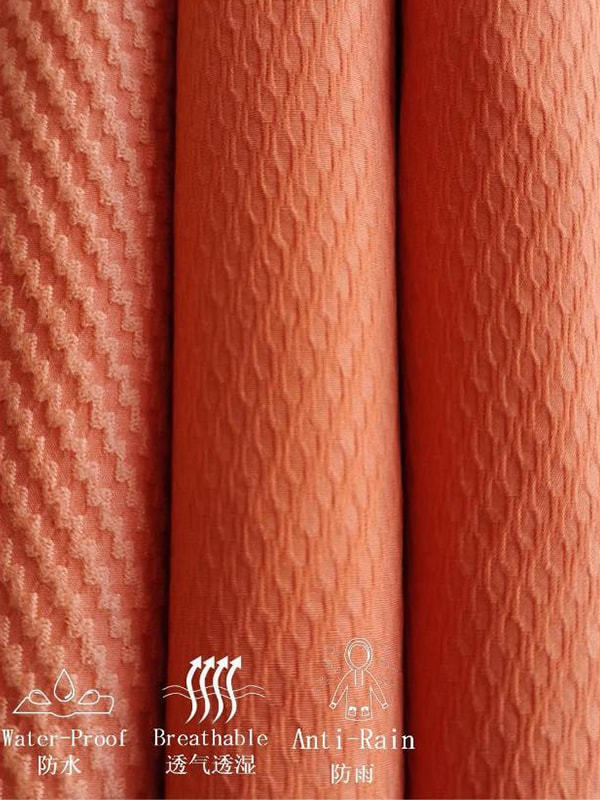
Contact Us for More Details
Don't hesitate to contact when you need us!
Product Categories
Contact Information
-
NO.1 Huanhu Road(Building I)Pingwang, Wu Jiang, Suzhou, Jiangsu, China
-
+86-13962557213
-
+86-512-80739991-801
-
+86-512-80739990
