

 English
 中文简体
中文简体
Why Is Weaving Double Weave Essential for Textiles?
2026-04-08
Textile engineers constantly seek advanced fabric structures to solve complex performance problems. Among these structural solutions, weaving double weave stands out as a highly specialized technique. This method creates two distinct layers of fabric woven simultaneously on a loom. The layers remain completely independent or connect at specific points. This structural flexibility allows manufacturers to engineer textiles with distinct inner and outer surfaces. Sourcing professionals must understand this technology to specify the correct materials for technical apparel and industrial applications.
Content
The Mechanics of the Double Cloth Structure
How Do Independent Layers Form?
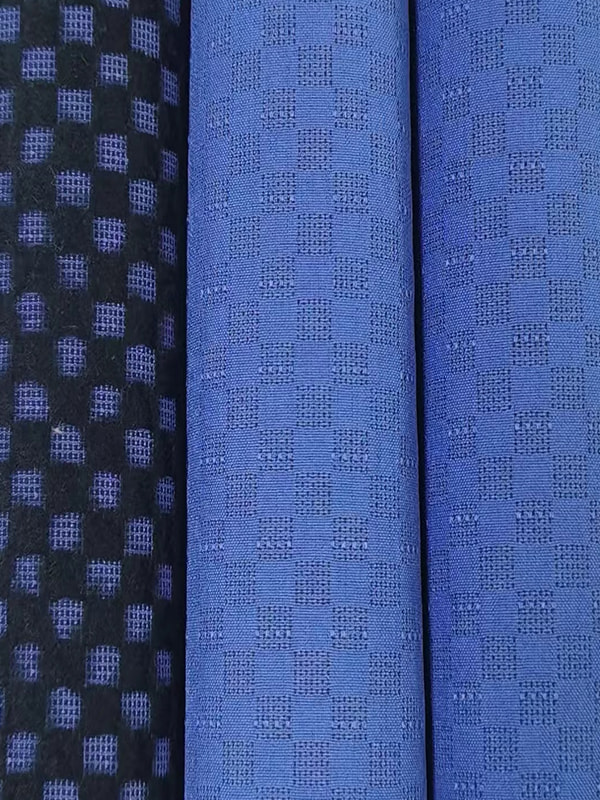
The process of weaving double weave fabric requires a sophisticated loom setup. The weaver uses at least two separate warp beams and two weft insertion systems. One set of warps and wefts forms the face layer, while the second set forms the back layer. A specialized binding weave interlocks the two layers at predetermined intervals. If the binding occurs on the edges, the fabric creates a sealed tube. If the binding occurs across the surface, it creates a padded or quilted effect. Engineers carefully calculate the binding points to control the overall stability and drape of the final product.
Thread Count and Density Requirements
Double cloth construction demands specific yarn density parameters. Each layer typically maintains its own standard thread count, but the overall loom capacity must accommodate the combined density. For example, a standard single layer might use 120 threads per inch. A double layer construction effectively requires loom capacity for 240 threads per inch. This high density creates a heavier, more resilient textile. Manufacturers must use high-tenacity yarns to withstand the increased friction during the double weave weaving process. The increased tension can cause lower-grade yarns to snap frequently, which halts production and reduces manufacturing efficiency.
Technical Advantages for Manufacturing
Weight Distribution and Insulation
The primary engineering benefit of this structure involves weight efficiency. Traditional insulated garments require a shell fabric, a separate insulation layer, and a lining fabric. These three layers add significant bulk. Weaving double weave integrates the shell and lining into a single textile unit. Manufacturers can trap air pockets between the two woven layers. These air pockets provide excellent thermal insulation without adding extra stitching or bulk. This integrated approach reduces the total garment weight by up to twenty percent compared to traditional layered construction methods.
Moisture and Thermal Management
Engineers frequently specify different fiber types for each layer of the cloth. They might use hydrophobic synthetic yarns for the outer face to repel rain. They can simultaneously use hydrophilic natural fibers for the inner face to absorb body moisture. This dual-fiber approach creates a highly effective double weave fabric for jackets. The outer face blocks environmental moisture, while the inner face manages micro-climate sweat. This directional moisture transport significantly improves wearer comfort during physical exertion.
Common Industrial Applications
Apparel and Outerwear Systems
Technical outerwear relies heavily on this textile architecture. The dual-layer system provides a clean interior finish that hides seams and raw edges. This eliminates the need for a separate lining fabric, which streamlines the cutting and sewing operations.
- High-performance mountaineering jackets utilize sealed edge tubes to prevent water ingress through seams
- Heavy winter coats use surface-bound layers to create inherent quilting without separate batting materials
- Lightweight travel garments use breathable inner layers combined with wind-resistant outer layers
Industrial and Technical Textiles
Beyond apparel, factories utilize double weave textile applications for heavy-duty industrial needs. Airbag fabrics often use specialized double cloth structures to control gas permeability. The inner layer acts as a porous filter, while the outer layer provides high tensile strength to withstand explosive deployment forces. Conveyor belts also employ double weave architecture to create smooth outer surfaces that carry products, paired with rugged inner layers that grip mechanical pulleys.
Structural Comparisons in Weaving
Double Weave Versus Single Weave
Procurement managers often compare double cloth to standard single weave textiles to justify production costs. Single weave fabrics consist of one set of warps and wefts, making them simpler and faster to produce. Double cloth requires double the yarn preparation, specialized drafting plans, and slower loom speeds. However, the technical performance of double cloth justifies the premium in high-end markets. Buyers must analyze the specific performance requirements of their product to determine if the structural benefits outweigh the manufacturing overhead.
| Parameter | Single Weave | Double Weave |
| Yarn Sets Required | 1 Warp, 1 Weft | 2 Warps, 2 Wefts |
| Loom Speed | High (Standard) | Reduced (Complex shedding) |
| Thermal Insulation | Low | High (Air pocket retention) |
| Surface Differentiation | Identical front and back | Completely independent surfaces |
| Production Cost | Economical | Premium |
Procurement and Quality Control
Evaluating Supplier Capabilities
Sourcing teams face unique challenges when specifying these textiles. Not all textile mills possess the multi-layer looms required for weaving double weave. Buyers must verify that the supplier has experience with complex draft designs and multi-beam tension control. Inconsistent tension between the face and back warp beams causes severe fabric distortions. These distortions lead to rolling edges and uneven binding points. Professional buyers always request pilot runs before approving large volume purchase orders to ensure the mill can maintain exact tension parameters throughout the production run.
Frequently Asked Questions
What is the main difference between double weave and double cloth?
Textile engineers use these terms interchangeably in most industrial contexts. Both terms describe a fabric constructed with two distinct sets of warps and two distinct sets of wefts woven simultaneously. Some academic texts use double cloth as the broader category and double weave as the specific mechanical action.
Can double weave fabrics be made entirely from natural fibers?
Yes, manufacturers commonly produce double cloth using cotton, wool, or silk. Wool double cloth is a traditional material for heavy winter blankets and tailored overcoats. Cotton double cloth works well for heavy upholstery and industrial cleaning towels.
How do engineers test the binding strength between layers?
Testing laboratories use specialized peel bond tests. They cut a strip of the fabric and physically separate the face and back layers at the binding points using a tensile testing machine. The machine measures the force required to delaminate the two woven layers, ensuring the binding stitch can withstand garment wear and washing.
Does double weave construction eliminate the need for seam sealing?
Tubular double weave constructions can eliminate the need for traditional seam sealing on selvage edges, because there are no raw edges to seal. However, any cut edges or stitched seams across the fabric width still require standard seam sealing tapes to maintain waterproof integrity.
References
- Goswami, B. C. (2020). Textile Yarns: Structure, Properties, and Testing. CRC Press.
- Collier, B. J., & Tortora, P. G. (2018). Understanding Textiles (8th ed.). Pearson.
- Lord, P. R., & Mohamed, M. H. (2019). Weaving: Conversion of Yarn to Fabric. Woodhead Publishing.
- Textile Institute. (2021). Textile Terms and Definitions (14th ed.). Woodhead Publishing.
- Horrocks, A. R., & Anand, S. C. (2016). Handbook of Technical Textiles. Woodhead Publishing.
Contact Us for More Details
Don't hesitate to contact when you need us!

Product Categories
Contact Information
-
NO.1 Huanhu Road(Building I)Pingwang, Wu Jiang, Suzhou, Jiangsu, China
-
+86-13962557213
-
+86-512-80739991-801
-
+86-512-80739990
